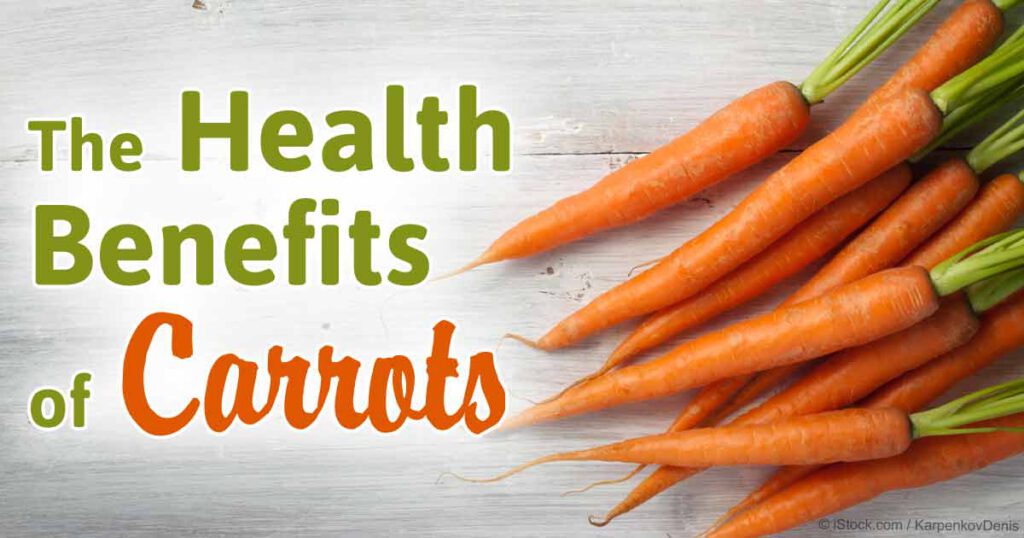
Carrots are among the most popular and nutritious vegetables worldwide. Known for their vibrant orange color and naturally sweet taste, carrots can be enjoyed raw, cooked, juiced, roasted, or added to soups, salads, and stir-fries.
Beyond their versatility in the kitchen, carrots are packed with vitamins, minerals, antioxidants, and dietary fiber that support overall health. Whether you’re looking to improve eye health, support your heart, or maintain healthy skin, carrots can be a valuable addition to a balanced diet.
Nutritional Value of Carrots
Carrots are low in calories yet rich in essential nutrients, including:
- Vitamin A (from beta-carotene)
- Vitamin K
- Vitamin C
- Potassium
- Fiber
- Antioxidants
- Biotin
- Vitamin B6
Their high beta-carotene content gives carrots their characteristic orange color and contributes to many of their health benefits.
7 Health Benefits of Carrots
1. Rich in Antioxidants That Help Protect Cells
Carrots contain powerful antioxidants, including beta-carotene, lutein, and polyphenols. These compounds help protect the body’s cells from damage caused by free radicals.
A diet rich in antioxidant-containing fruits and vegetables may contribute to overall health and support the body’s natural defense systems.
2. Supports Healthy Digestion
Carrots are a good source of dietary fiber, which plays an important role in digestive health.
Fiber helps:
- Promote regular bowel movements
- Support a healthy gut microbiome
- Reduce occasional constipation
- Improve overall digestive function
Including fiber-rich vegetables like carrots in your diet can help maintain a healthy digestive system.
3. Promotes Eye Health
Carrots are famous for supporting eye health, and for good reason.
They are rich in beta-carotene, which the body converts into vitamin A. Vitamin A is essential for:
- Maintaining normal vision
- Supporting night vision
- Keeping the surface of the eyes healthy
Additionally, carrots contain lutein and zeaxanthin, antioxidants that may help protect the eyes from age-related damage.
4. May Support Healthy Weight Management
Carrots are naturally low in calories and high in fiber, making them a filling snack option.
Because fiber helps increase feelings of fullness, carrots may help reduce overeating and support healthy weight management when included as part of a balanced diet.
Replacing processed snacks with fresh carrots can be a simple way to reduce calorie intake while increasing nutrient consumption.
5. Helps Maintain Healthy Cholesterol Levels
The soluble fiber found in carrots may help support healthy cholesterol levels by assisting the body in removing excess cholesterol.
Carrots also contain potassium and other nutrients that contribute to cardiovascular health when consumed as part of a heart-healthy diet.
6. Supports Heart Health
Research suggests that diets rich in fruits and vegetables, including carrots, are associated with a lower risk of cardiovascular disease.
The combination of:
- Potassium
- Fiber
- Antioxidants
may help support healthy blood pressure, circulation, and overall heart function.
Adding carrots regularly to meals is an easy way to increase your intake of heart-friendly nutrients.
7. Contributes to Healthy, Youthful-Looking Skin
Vitamin A and antioxidants found in carrots help support skin health by protecting cells from oxidative stress.
These nutrients may help:
- Maintain healthy skin cells
- Support skin repair processes
- Promote a healthy complexion
While carrots cannot stop aging, their nutrient content can contribute to healthier-looking skin as part of a nutritious diet.
Easy Ways to Add Carrots to Your Diet
Carrots are incredibly versatile and easy to incorporate into everyday meals.
Try these ideas:
- Eat raw carrot sticks as a healthy snack
- Add grated carrots to salads
- Blend carrots into smoothies
- Make fresh carrot juice
- Roast carrots with herbs and spices
- Add carrots to soups, curries, and stews
- Include shredded carrots in sandwiches and wraps
Are There Any Side Effects of Eating Too Many Carrots?
Carrots are generally safe and healthy for most people.
However, consuming very large amounts of carrots over an extended period may lead to a harmless condition called carotenemia, where the skin develops a slightly yellow-orange tint due to excess beta-carotene intake.
This condition is temporary and usually resolves when carrot consumption is reduced.
Final Thoughts
Carrots are one of the most nutritious vegetables you can include in your daily diet. Rich in fiber, vitamins, minerals, and antioxidants, they support eye health, digestion, heart health, weight management, and skin wellness.
Whether enjoyed raw, cooked, or juiced, carrots provide a convenient and affordable way to boost your nutrient intake and support long-term health.
Frequently Asked Questions (FAQs)
Are carrots good for your eyes?
Yes. Carrots are rich in beta-carotene, which the body converts into vitamin A, an essential nutrient for maintaining healthy vision.
Can carrots help with weight loss?
Carrots are low in calories and high in fiber, making them a filling snack that may support healthy weight management.
How many carrots should I eat per day?
There is no fixed amount, but including one to two servings of carrots as part of a balanced diet is generally considered healthy for most people.
Are raw carrots healthier than cooked carrots?
Both have benefits. Raw carrots retain more vitamin C, while cooking can increase the availability of certain antioxidants such as beta-carotene.
Do carrots help lower cholesterol?
The fiber in carrots may help support healthy cholesterol levels when combined with a nutritious diet and healthy lifestyle.
Can eating too many carrots turn your skin orange?
Yes. Excessive consumption over time can cause carotenemia, a harmless condition that gives the skin a yellow-orange tint.
Are carrots good for heart health?
Carrots contain fiber, potassium, and antioxidants that support overall cardiovascular health.
Is carrot juice as healthy as whole carrots?
Carrot juice provides vitamins and antioxidants, but whole carrots contain more fiber, making them the better choice for digestive health and satiety.

Hi, I’m Amrita Pandey. I specialize in writing about health, pregnancy, yoga, natural remedies, beverages, fruits, and vegetables. I enjoy creating clear, well-researched content that helps readers make informed decisions and build healthier everyday habits.