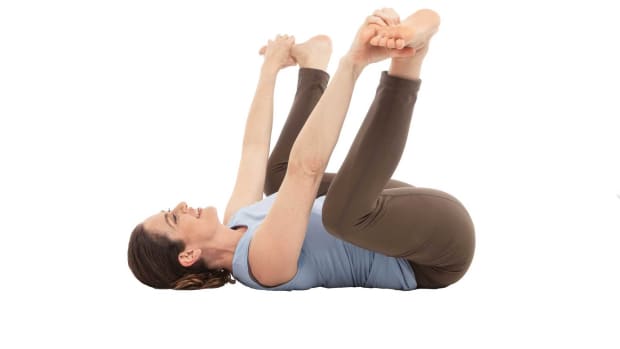
Hatha Yoga is one of the most widely practiced forms of yoga and serves as the foundation for many modern yoga styles. The practice combines physical postures (asanas), breathing techniques (pranayama), and mindfulness to help create balance between the body and mind.
For aspiring yoga teachers and dedicated practitioners, studying Hatha Yoga in Rishikesh—often referred to as the Yoga Capital of the World—offers an opportunity to deepen their understanding of traditional yogic practices in an authentic setting.
What Does Hatha Yoga Mean?
The word “Hatha” comes from Sanskrit.
Traditionally:
- Ha represents the sun.
- Tha represents the moon.
These symbols reflect the concept of balance between opposing energies within the body and mind.
Hatha Yoga focuses on creating harmony through:
- Physical postures
- Breath awareness
- Concentration
- Relaxation
- Meditation preparation
While many people associate yoga primarily with physical exercise, traditional Hatha Yoga emphasizes a holistic approach that integrates physical, mental, and emotional well-being.
History of Hatha Yoga
Yoga has ancient roots dating back thousands of years in India.
The formal teachings of Hatha Yoga are often linked to classical texts such as:
- Hatha Yoga Pradipika
- Gheranda Samhita
- Shiva Samhita
These texts describe practices involving postures, breathing techniques, cleansing methods, and meditation.
During the late 19th and early 20th centuries, yoga began gaining popularity outside India. Over time, Hatha Yoga became the foundation for many contemporary styles practiced worldwide today.
What Is Hatha Yoga Teacher Training?
A Hatha Yoga Teacher Training Course (TTC) is designed for individuals who want to:
- Become certified yoga teachers
- Deepen their personal practice
- Learn yoga philosophy
- Study anatomy and physiology
- Understand alignment and adjustments
- Develop teaching skills
Most training programs include:
Yoga Asanas
Students learn proper alignment, posture techniques, and sequencing.
Pranayama
Breathing practices that help improve awareness and concentration.
Meditation
Techniques that support mindfulness and mental clarity.
Yoga Philosophy
Study of traditional yogic texts and principles.
Anatomy and Physiology
Understanding how the body moves and functions during yoga practice.
Why Study Hatha Yoga in Rishikesh?
Rishikesh is internationally recognized as a major center for yoga education and spiritual learning.
Many students choose Rishikesh because of its:
- Traditional yoga heritage
- Experienced teachers
- Spiritual atmosphere
- Himalayan surroundings
- Yoga community
The city’s peaceful environment allows students to focus fully on their studies and personal growth.
Potential Benefits of Hatha Yoga
Research suggests that regular yoga practice may offer several physical and mental health benefits.
1. Improved Flexibility
Consistent practice may help improve joint mobility and muscle flexibility.
2. Better Balance and Stability
Many postures require body awareness and balance, which may improve coordination.
3. Increased Strength
Holding yoga postures can help build muscular strength and endurance.
4. Stress Management
Yoga often incorporates breathing and relaxation techniques that may support stress reduction.
5. Improved Posture
Many Hatha Yoga poses focus on spinal alignment and body awareness.
6. Enhanced Mindfulness
Combining breath and movement can help improve concentration and present-moment awareness.
Can Hatha Yoga Help With Health Conditions?
Some studies suggest yoga may help support overall well-being and quality of life for certain individuals.
However, yoga should be viewed as a complementary practice rather than a replacement for medical treatment.
Individuals with chronic health conditions should consult their healthcare provider before starting a new exercise program.
Is Hatha Yoga Suitable for Beginners?
Yes. Hatha Yoga is often recommended for beginners because:
- Movements are generally slower paced.
- Postures are held longer.
- There is a strong emphasis on alignment.
- Classes often include breathing and relaxation practices.
This makes it easier for new practitioners to learn foundational techniques.
Final Thoughts
Hatha Yoga remains one of the most influential and accessible forms of yoga practiced today. By combining physical postures, breathing exercises, and mindfulness techniques, it offers a balanced approach to overall well-being.
For those seeking a deeper understanding of yoga, studying Hatha Yoga in Rishikesh provides an opportunity to learn traditional teachings while immersing yourself in one of the world’s most respected yoga destinations.
Disclaimer
This article is for educational purposes only and should not be considered medical advice. Consult a qualified healthcare professional before beginning any new exercise or wellness program.
FAQs
1. What is Hatha Yoga?
Hatha Yoga is a traditional form of yoga that combines physical postures, breathing techniques, and mindfulness practices.
2. Is Hatha Yoga suitable for beginners?
Yes. Hatha Yoga is often considered beginner-friendly because of its slower pace and focus on foundational postures.
3. What are the benefits of Hatha Yoga?
Potential benefits include improved flexibility, strength, balance, posture, stress management, and mindfulness.
4. What is taught in a Hatha Yoga Teacher Training Course?
Most courses include asana practice, pranayama, meditation, anatomy, philosophy, and teaching methodology.
5. Why is Rishikesh famous for yoga?
Rishikesh is known worldwide for its yoga heritage, traditional schools, spiritual atmosphere, and experienced teachers.
6. How long is a Hatha Yoga Teacher Training Course?
Common programs include 200-hour, 300-hour, and 500-hour teacher training certifications.
7. Can Hatha Yoga help reduce stress?
Many practitioners report reduced stress levels through regular yoga, breathing exercises, and meditation practices.
8. Is Hatha Yoga different from Vinyasa Yoga?
Yes. Hatha Yoga is generally slower paced, while Vinyasa Yoga emphasizes continuous movement linked with breath.
9. Do I need experience before joining a teacher training course?
Requirements vary by school, but many 200-hour programs welcome dedicated beginners.
10. Is Hatha Yoga only about physical exercise?
No. Traditional Hatha Yoga also includes breathing practices, meditation, mindfulness, and philosophical teachings.

Hi, I’m Amrita Pandey. I specialize in writing about health, pregnancy, yoga, natural remedies, beverages, fruits, and vegetables. I enjoy creating clear, well-researched content that helps readers make informed decisions and build healthier everyday habits.