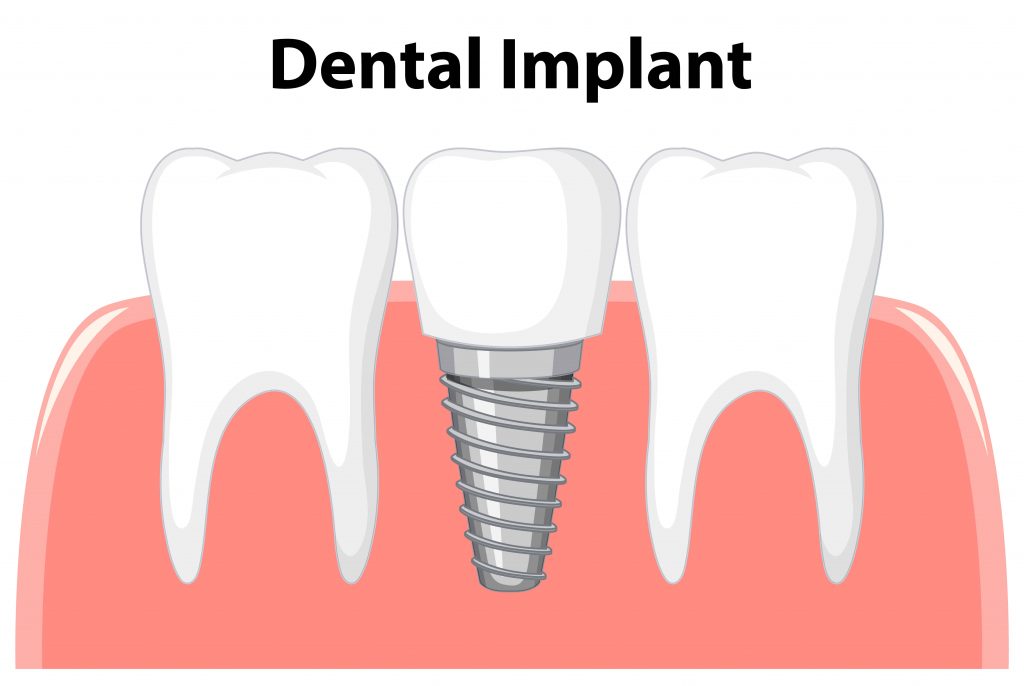
Missing teeth can affect much more than your smile. They can impact your confidence, speech, chewing ability, and overall oral health. Fortunately, full dental implants offer a long-lasting and natural-looking solution for replacing missing teeth. However, the success of your treatment depends heavily on choosing the right dental implant specialist.
Selecting a dentist for full dental implants is a major healthcare decision that requires careful research and consideration. Unlike routine dental procedures, dental implant surgery involves advanced planning, surgical expertise, and long-term follow-up care. Choosing the wrong provider can lead to complications, additional costs, and unsatisfactory results.
This guide will help you understand the key factors to consider when searching for the best dentist for full mouth dental implants.
Why Choosing the Right Implant Dentist Matters
Dental implants are designed to replace the roots of missing teeth and provide a stable foundation for crowns, bridges, or full-arch restorations. The procedure requires precise placement of the implant posts into the jawbone, making experience and expertise essential.
A qualified implant dentist can:
- Develop a personalized treatment plan
- Assess bone density and oral health
- Minimize surgical risks
- Improve implant success rates
- Deliver natural-looking results
- Provide long-term implant maintenance
Taking the time to choose the right professional can make a significant difference in both your treatment experience and outcome.
Evaluate the Dentist’s Experience
One of the most important factors when choosing a dental implant provider is experience.
Dental implant procedures require a high level of skill and precision. An experienced dentist has likely treated a wide range of cases, including patients with complex dental issues, bone loss, or multiple missing teeth.
When consulting with a dentist, consider asking:
- How many dental implant procedures have you performed?
- How many full mouth dental implant cases do you complete annually?
- What is your implant success rate?
- Have you treated cases similar to mine?
A dentist with extensive hands-on experience is generally better equipped to handle challenges and achieve predictable results.
Verify Education and Specialized Training
Not all dentists receive the same level of implant training. While general dentists can perform implant procedures, advanced education and specialized training are important indicators of expertise.
Some practitioners may complete only short certification courses before offering implant treatments. While continuing education is valuable, complex procedures such as full mouth dental implants often require advanced surgical and restorative knowledge.
Look for professionals who have:
- Graduated from accredited dental schools
- Completed implant dentistry training programs
- Participated in continuing education courses
- Received advanced training in oral surgery, prosthodontics, or periodontics
The more comprehensive the training, the better prepared the dentist will be to handle your treatment safely and effectively.
Choose a Board-Certified Dental Professional
Board certification is another important factor when evaluating dental implant providers.
Board-certified specialists undergo additional education, examinations, and clinical training beyond standard licensing requirements. This demonstrates their commitment to maintaining high professional standards and staying updated with advancements in dentistry.
A board-certified specialist often has extensive knowledge of:
- Implant placement techniques
- Bone grafting procedures
- Full-arch restorations
- Complex oral rehabilitation cases
Choosing a board-certified professional can provide additional confidence in the quality of care you receive.
Review Before-and-After Cases
One of the best ways to evaluate a dentist’s capabilities is by reviewing actual patient results.
Many reputable implant dentists showcase before-and-after photos on their websites or during consultations. These images can help you assess:
- Smile aesthetics
- Implant placement quality
- Natural appearance of restorations
- Overall treatment outcomes
Seeing real patient transformations allows you to better understand what results may be possible for your own treatment.
Read Online Reviews and Patient Testimonials
Patient reviews can offer valuable insights into a dentist’s reputation and quality of care.
Look for reviews that discuss:
- Professionalism of the dental team
- Communication and patient education
- Surgical experience
- Comfort during treatment
- Long-term satisfaction with results
While no practice will have perfect reviews, consistently positive feedback can indicate a trustworthy and experienced provider.
Pay close attention to reviews from patients who have undergone full mouth dental implant procedures, as their experiences are most relevant to your situation.
Ask About Technology and Treatment Planning
Modern dental implant procedures rely heavily on advanced technology.
Leading implant clinics often use:
3D CBCT Scanning
Three-dimensional imaging provides detailed views of the jawbone, nerves, and surrounding structures, allowing for more accurate treatment planning.
Digital Smile Design
Digital tools help dentists visualize the final outcome and create customized treatment plans.
Computer-Guided Implant Placement
Guided implant surgery improves precision and may reduce recovery time and complications.
A practice that invests in advanced technology often demonstrates a commitment to providing safer and more predictable results.
Understand the Treatment Process
A trustworthy dentist should clearly explain every stage of your treatment.
During your consultation, they should discuss:
- Initial examination
- Diagnostic imaging
- Implant placement procedure
- Healing timeline
- Restoration options
- Recovery expectations
- Potential risks and complications
Transparency is a strong indicator of professionalism and patient-centered care.
Compare Costs Without Sacrificing Quality
Cost is naturally an important consideration when planning dental implant treatment. However, choosing the cheapest option may not always provide the best value.
Dental implant pricing can vary based on:
- Number of implants required
- Implant materials used
- Complexity of the case
- Additional procedures such as bone grafting
- Dentist’s experience level
Request a detailed treatment estimate and ask what is included in the quoted fee. Understanding the complete cost upfront helps avoid unexpected expenses later.
Remember that successful dental implants are a long-term investment in your oral health and quality of life.
Evaluate Communication and Patient Care
The best dental implant specialists prioritize patient education and comfort.
During your consultation, pay attention to whether the dentist:
- Listens carefully to your concerns
- Answers questions thoroughly
- Explains procedures clearly
- Provides realistic expectations
- Makes you feel comfortable and respected
Good communication helps build trust and ensures you feel confident throughout the treatment journey.
Questions to Ask Before Choosing an Implant Dentist
Before making your final decision, consider asking the following questions:
- How many years have you been placing dental implants?
- What specialized implant training have you completed?
- Can I see before-and-after photos of previous patients?
- What implant systems do you use?
- Do you offer sedation options?
- What happens if complications occur?
- How often will I need follow-up appointments?
- What financing options are available?
The answers can help you make a more informed and confident choice.
Final Thoughts
Choosing the right dentist for full dental implants is one of the most important decisions you can make for your oral health. Experience, education, board certification, patient reviews, advanced technology, and transparent communication all play a crucial role in determining the quality of care you receive.
Rather than focusing solely on price, prioritize expertise and proven results. A skilled and experienced implant dentist can help restore your smile, improve your confidence, and provide long-lasting dental health benefits.
Investing time in researching your options today can help ensure a successful dental implant experience for years to come.
Frequently Asked Questions (FAQs)
1. Who is the best specialist for dental implants?
Depending on the case, dental implants may be placed by a general dentist with advanced implant training, a periodontist, an oral surgeon, or a prosthodontist. Experience and specialized training are often more important than the title alone.
2. How many dental implant procedures should a dentist have performed?
While there is no specific number, dentists with extensive implant experience and a strong track record of successful cases are generally preferred.
3. Why is board certification important for implant dentists?
Board certification demonstrates additional education, training, and commitment to maintaining high professional standards in dentistry.
4. How can I verify a dentist’s implant experience?
You can ask about the number of implant procedures performed, review before-and-after photos, read patient testimonials, and verify credentials during a consultation.
5. Are full mouth dental implants worth the investment?
For many patients, full mouth dental implants provide improved function, aesthetics, comfort, and long-term oral health benefits compared to traditional tooth replacement options.
6. What should I expect during a dental implant consultation?
The dentist will evaluate your oral health, review medical history, take diagnostic images, discuss treatment options, and provide a personalized treatment plan.
7. How long do full dental implants last?
With proper care and regular dental checkups, dental implants can last for many years and often several decades.
8. Does insurance cover full dental implants?
Coverage varies by insurance provider and policy. It is best to contact your insurance company and dental office for specific information regarding benefits and financing options.

Hi, I’m Amrita Pandey. I specialize in writing about health, pregnancy, yoga, natural remedies, beverages, fruits, and vegetables. I enjoy creating clear, well-researched content that helps readers make informed decisions and build healthier everyday habits.