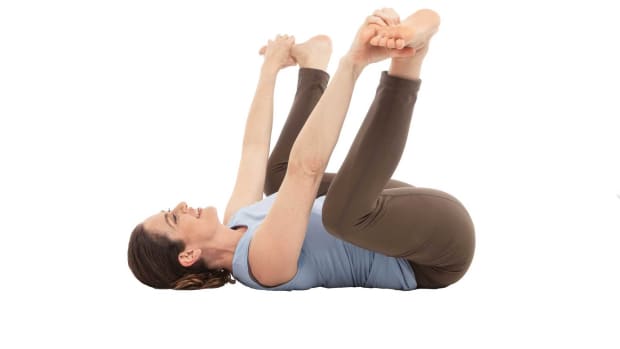
The second chakra, known as Svadhisthana Chakra or the Sacral Chakra, is located in the lower abdomen, pelvis, lower back, and reproductive region. In traditional yogic philosophy, this chakra is associated with emotions, creativity, pleasure, relationships, and self-expression. It serves as the energetic center that influences how we experience, process, and respond to our feelings.
When the sacral chakra is balanced, it supports emotional stability, healthy relationships, creativity, confidence, and a deeper connection with ourselves. However, when blocked or imbalanced, it may contribute to emotional overwhelm, fear, guilt, self-doubt, or difficulty expressing emotions in a healthy way.
What Does the Sacral Chakra Represent?
The sacral chakra is often referred to as the center of emotional intelligence. It governs our ability to feel emotions without becoming consumed by them. Rather than judging emotions as “good” or “bad,” this chakra encourages us to acknowledge every feeling as a natural part of the human experience.
Many people spend years suppressing emotions such as anger, sadness, grief, shame, or disappointment. While this may seem like a way to maintain control, suppressed emotions often remain stored within the body and subconscious mind. Over time, these unprocessed emotions can influence our mental well-being, relationships, and overall quality of life.
A healthy sacral chakra teaches us that emotions are not problems to be fixed—they are messages to be understood.
The Problem with Emotional Judgment
One of the most common challenges related to the second chakra is emotional judgment. Society often encourages people to seek happiness while avoiding emotions such as anger, grief, fear, or sadness.
However, emotional healing begins when we stop labeling feelings as positive or negative.
Consider anger as an example. Anger itself is not harmful. In many situations, it can highlight personal boundaries, unmet needs, or unresolved experiences. What often creates difficulties are the reactions and behaviors that arise from unmanaged anger.
Similarly, grief is not something that needs to be eliminated. Grief reflects love, attachment, and meaningful experiences. When acknowledged and accepted, grief naturally moves through the emotional system and creates space for healing.
The more we resist difficult emotions, the more intensely they tend to demand our attention.
Why Emotional Validation Matters
Emotional validation is one of the most powerful tools for balancing the sacral chakra. Validation simply means recognizing and accepting your emotional experience without criticism or judgment.
Instead of saying:
- “I shouldn’t feel this way.”
- “I need to get over it.”
- “This emotion is wrong.”
Try saying:
- “I notice that I feel angry.”
- “I am experiencing sadness right now.”
- “This feeling deserves my attention.”
When emotions are acknowledged, they often become easier to process. Validation creates emotional safety and allows healing to occur naturally.
Creating a Healthy Relationship with Your Emotions
The sacral chakra thrives when all emotions are allowed to exist in harmony.
Think of your emotional world as a thriving garden. A healthy garden contains many different plants, flowers, textures, and colors. Its beauty comes from diversity rather than uniformity.
The same principle applies to emotional well-being.
Joy, excitement, gratitude, love, compassion, grief, disappointment, anger, and fear all contribute to the richness of the human experience. Emotional balance is not the absence of challenging feelings; it is the ability to navigate them with awareness and self-compassion.
Understanding Fear and Its Impact
Fear serves an important purpose. It helps us recognize danger and make informed decisions. However, when fear becomes excessive or persistent, it can interfere with personal growth and emotional freedom.
Within the sacral chakra, fear can behave like an invasive weed in a garden. If left unchecked, it may spread into multiple areas of life, affecting relationships, creativity, confidence, and decision-making.
Developing awareness of fear allows us to distinguish between genuine caution and limiting beliefs. This awareness creates space for healthier choices and emotional resilience.
Yoga Practices for Sacral Chakra Healing
Yoga can be a valuable tool for supporting emotional awareness and sacral chakra balance. Many practitioners notice that emotions often surface during hip-opening and lower-back-focused postures because these areas are closely connected with the energy of the second chakra.
During your yoga practice, pay attention to areas of tightness, discomfort, or resistance.
Mindful Breathing Exercise
- Find a comfortable seated position or enter a gentle hip-opening posture.
- Take a slow, deep inhale through the nose.
- Bring your full attention to any sensations in the hips, pelvis, or lower back.
- Exhale slowly and imagine releasing emotional tension from the body.
- Continue for several rounds of breath while maintaining gentle awareness.
This practice encourages mindfulness and helps cultivate a stronger connection between the body and emotions.
Visualization for Sacral Chakra Balance
Visualization is another powerful technique used in meditation and energy-focused practices.
Traditionally, the sacral chakra is associated with the color orange. During meditation, imagine a warm orange light radiating throughout your lower abdomen and pelvic area.
As you breathe:
- Visualize stagnant energy dissolving.
- Imagine emotional tension gently leaving the body.
- Create space for creativity, confidence, joy, and emotional flow.
The goal is not to force change but to create an environment where emotional healing can naturally occur.
Everyday Activities That Support the Sacral Chakra
Balancing the second chakra is not limited to yoga or meditation. Everyday experiences that bring genuine joy and emotional connection can also strengthen this energy center.
Consider incorporating activities such as:
- Spending quality time with loved ones
- Enjoying meaningful conversations
- Practicing creative hobbies
- Dancing or moving freely
- Listening to uplifting music
- Spending time in nature
- Expressing gratitude
- Enjoying nourishing foods mindfully
- Laughing and having fun
These simple experiences help cultivate emotional fulfillment and contribute to a balanced sacral chakra.
Signs of a Balanced Sacral Chakra
When the sacral chakra is functioning harmoniously, you may experience:
- Healthy emotional expression
- Improved creativity
- Greater self-confidence
- Stronger relationships
- Enhanced self-awareness
- Emotional resilience
- Increased joy and enthusiasm
- A healthy connection to pleasure and self-care
Signs of a Blocked or Imbalanced Sacral Chakra
Common indicators of imbalance may include:
- Emotional numbness
- Excessive mood swings
- Fear of intimacy
- Creative blocks
- Persistent guilt or shame
- Difficulty expressing feelings
- Low motivation
- Relationship challenges
Recognizing these signs can be the first step toward restoring emotional balance and well-being.
Final Thoughts
The second chakra reminds us that emotional health is not about eliminating difficult feelings. It is about creating space for every emotion to be acknowledged, understood, and integrated into our lives.
By practicing self-awareness, emotional validation, mindful movement, meditation, and healthy self-expression, we can cultivate a balanced sacral chakra that supports creativity, connection, and emotional well-being.
Remember, true healing begins not when we reject our emotions, but when we learn to listen to them with compassion and curiosity.
Frequently Asked Questions (FAQs)
1. What is the second chakra called?
The second chakra is called Svadhisthana Chakra, commonly known as the Sacral Chakra. It is located in the lower abdomen and is associated with emotions, creativity, pleasure, and relationships.
2. What color is associated with the sacral chakra?
The sacral chakra is traditionally associated with the color orange, symbolizing creativity, vitality, warmth, and emotional expression.
3. How do I know if my sacral chakra is blocked?
Signs of a blocked sacral chakra may include emotional instability, creative blocks, low self-esteem, relationship difficulties, fear, guilt, or difficulty expressing emotions.
4. Can yoga help balance the sacral chakra?
Yes. Yoga postures that focus on the hips, pelvis, and lower back, combined with mindful breathing and meditation, may help support emotional awareness and sacral chakra balance.
5. Which emotions are connected to the sacral chakra?
The sacral chakra is associated with a wide range of emotions, including joy, passion, love, sadness, anger, grief, fear, and emotional connection.
6. What are the benefits of a balanced sacral chakra?
A balanced sacral chakra can support emotional stability, healthy relationships, creativity, self-confidence, emotional resilience, and overall well-being.
7. Can meditation improve sacral chakra health?
Meditation, visualization, and mindful breathing practices can help increase emotional awareness and encourage balance within the sacral chakra.
8. How often should I practice sacral chakra healing exercises?
Consistency is more important than duration. Practicing yoga, meditation, or mindfulness exercises for even 10–15 minutes daily can provide long-term benefits.

Hi, I’m Amrita Pandey. I specialize in writing about health, pregnancy, yoga, natural remedies, beverages, fruits, and vegetables. I enjoy creating clear, well-researched content that helps readers make informed decisions and build healthier everyday habits.