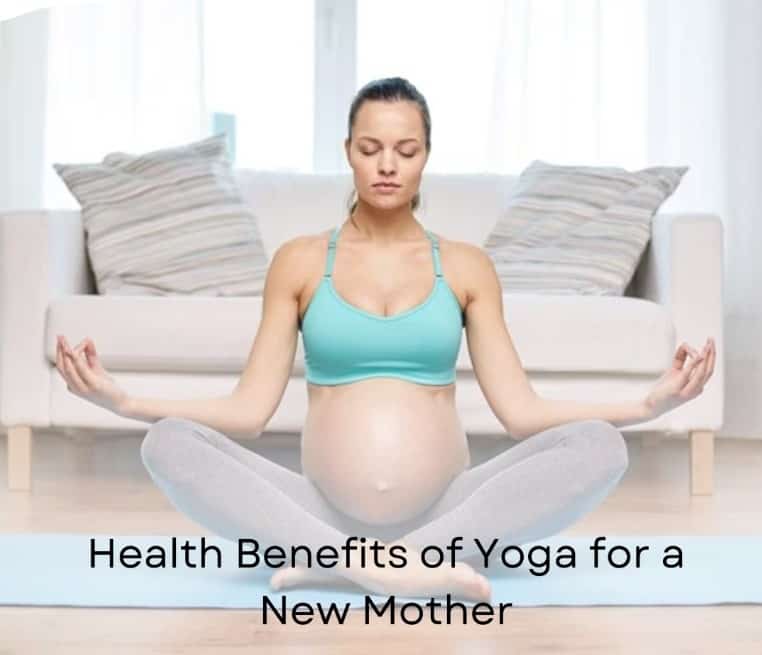
Yoga for New Mothers: Benefits, Recovery, and How It Supports Postpartum Wellness
Welcoming a new baby into the world is one of life’s most beautiful experiences. The tiny fingers, innocent smiles, and precious moments create memories that last forever. However, motherhood also brings significant physical, emotional, and mental changes that can feel overwhelming, especially during the postpartum period.
Between sleepless nights, hormonal fluctuations, physical recovery, and adjusting to a new routine, many mothers find themselves prioritizing their baby’s needs while neglecting their own well-being.
This is where yoga can make a meaningful difference.
Yoga offers a gentle yet effective way for new mothers to reconnect with their bodies, support postpartum recovery, reduce stress, and improve overall health. Beyond physical benefits, yoga also nurtures emotional resilience and provides valuable moments of self-care during a demanding stage of life.
In this article, we’ll explore the many benefits of yoga for new mothers and how it can support a healthier and more balanced transition into motherhood.
Why Is Yoga Beneficial for New Mothers?
Postpartum recovery involves much more than healing physically after childbirth. New mothers often experience:
- Fatigue and low energy
- Muscle weakness
- Back and neck pain
- Hormonal changes
- Anxiety and stress
- Sleep disturbances
- Emotional ups and downs
Yoga addresses many of these challenges through a combination of:
- Gentle movement
- Controlled breathing
- Mindfulness practices
- Relaxation techniques
- Meditation
When practiced safely and consistently, yoga can help restore strength, improve flexibility, and support both mental and emotional well-being.
Health Benefits of Yoga for New Mothers
1. Helps Reduce Stress and Anxiety
Motherhood comes with countless responsibilities, and it is normal to feel overwhelmed at times.
Yoga incorporates deep breathing exercises and mindfulness practices that help calm the nervous system and reduce stress levels.
Regular yoga practice may help:
- Lower anxiety
- Improve mood
- Promote relaxation
- Increase emotional resilience
Even a short daily yoga session can provide a valuable mental reset during busy days.
2. Supports Postpartum Recovery
Pregnancy and childbirth place tremendous demands on the body.
Postnatal yoga focuses on gradually rebuilding strength in key areas such as:
- Pelvic floor muscles
- Core muscles
- Back muscles
- Hips and pelvis
Gentle stretching and strengthening exercises can help mothers recover safely while improving overall physical function.
It is important to consult a healthcare provider before beginning any postpartum exercise program, particularly after a cesarean section or complicated delivery.
3. Improves Flexibility and Mobility
The body undergoes significant changes during pregnancy, which can affect posture, muscle balance, and flexibility.
Yoga helps restore mobility by:
- Stretching tight muscles
- Improving joint flexibility
- Reducing stiffness
- Enhancing range of motion
Improved flexibility can make everyday tasks such as lifting, carrying, and feeding a baby more comfortable.
4. Boosts Energy Levels Naturally
Many new mothers experience exhaustion due to interrupted sleep and increased caregiving responsibilities.
Yoga encourages healthy circulation and oxygen flow throughout the body, helping improve energy levels naturally.
Unlike caffeine or stimulants, yoga provides sustainable energy while simultaneously promoting relaxation and recovery.
5. Supports Healthy Weight Management
Many women aim to return to their pre-pregnancy fitness levels after childbirth.
Yoga can support healthy weight management by:
- Increasing physical activity
- Supporting metabolism
- Improving body awareness
- Encouraging mindful eating habits
While yoga alone may not produce rapid weight loss, it can be an important part of a balanced postpartum wellness plan.
6. Promotes Hormonal Balance
Hormonal fluctuations after childbirth can contribute to mood swings, fatigue, irritability, and emotional sensitivity.
Yoga and mindful breathing practices may help regulate the body’s stress response and support overall hormonal balance.
Although yoga cannot replace medical treatment for hormonal disorders, it may help mothers feel more emotionally stable and grounded.
7. Improves Sleep Quality
Sleep deprivation is one of the most common challenges new parents face.
Yoga promotes relaxation and may help improve sleep quality by:
- Reducing stress hormones
- Calming the mind
- Relieving physical tension
- Supporting deeper relaxation
Even if sleep duration remains limited, improved sleep quality can help mothers feel more refreshed.
8. Supports Mental and Emotional Well-Being
Postpartum emotional changes are common, and some women may experience feelings of sadness, anxiety, or overwhelm.
Yoga encourages self-awareness, mindfulness, and emotional regulation, which can support mental well-being during this transition.
Research suggests that regular physical activity and mindfulness practices may help reduce symptoms associated with postpartum stress and improve overall emotional health.
9. Strengthens the Mother-Baby Bond
Many postnatal yoga classes include gentle movements and activities that allow mothers to interact with their babies.
These shared experiences can:
- Encourage bonding
- Promote emotional connection
- Create positive routines
- Enhance communication through touch and eye contact
Mother-and-baby yoga classes are becoming increasingly popular for this reason.
10. Builds Self-Confidence
Pregnancy and childbirth can dramatically change how a woman feels about her body.
Yoga helps mothers reconnect with themselves and appreciate what their bodies have accomplished.
As strength, flexibility, and physical comfort improve, many women experience:
- Increased confidence
- Improved self-esteem
- Greater body acceptance
Small achievements on the yoga mat often translate into greater confidence in daily life.
11. Improves Posture and Core Strength
Carrying, feeding, and lifting a baby often place stress on the neck, shoulders, and back.
Yoga helps improve posture by strengthening:
- Core muscles
- Back muscles
- Shoulder stabilizers
- Pelvic floor muscles
Better posture can reduce pain and support long-term spinal health.
12. Supports Digestive Health
Postpartum digestive issues such as bloating and constipation are relatively common.
Certain yoga poses and breathing techniques may help stimulate digestion and promote healthy bowel function.
Combined with proper hydration and nutrition, yoga can contribute to improved digestive wellness.
13. Supports Immune Function
Regular physical activity and stress management contribute to a healthy immune system.
Yoga may support immune health by:
- Reducing chronic stress
- Encouraging circulation
- Promoting healthy sleep
- Supporting overall wellness
While yoga does not prevent illness, it can be part of a lifestyle that supports long-term health.
14. Creates a Sense of Community
Motherhood can sometimes feel isolating, particularly during the early months.
Joining a postnatal yoga class provides opportunities to:
- Meet other mothers
- Share experiences
- Build friendships
- Receive emotional support
A supportive community can play a valuable role in postpartum mental health and confidence.
15. Encourages Self-Care
Perhaps one of the most important benefits of yoga is that it encourages mothers to prioritize themselves.
Taking even 15–20 minutes a day for personal wellness can have a positive impact on:
- Physical health
- Emotional balance
- Energy levels
- Mental clarity
Self-care is not selfish—it is essential for maintaining overall well-being and being able to care for others effectively.
How Soon Can You Start Yoga After Childbirth?
The timing varies depending on:
- Type of delivery
- Individual recovery
- Medical history
- Healthcare provider recommendations
General guidelines include:
- Gentle breathing and relaxation exercises may begin soon after delivery if approved by a healthcare provider.
- Light postnatal yoga often starts around 6 weeks postpartum.
- Women recovering from cesarean delivery may require additional healing time.
Always consult your doctor or healthcare provider before resuming physical activity after childbirth.
Final Thoughts
Motherhood is a life-changing journey filled with both joy and challenges. While caring for a newborn often becomes the primary focus, a mother’s health and well-being remain equally important.
Yoga provides a holistic approach to postpartum recovery by supporting physical healing, emotional balance, mental clarity, and overall wellness. From improving flexibility and energy levels to reducing stress and strengthening the mother-baby bond, yoga offers countless benefits during this transformative stage of life.
Whether practiced at home or in a supportive postnatal yoga class, incorporating yoga into your routine can help you navigate motherhood with greater confidence, resilience, and self-care.
Frequently Asked Questions (FAQs)
1. Is yoga safe after childbirth?
Yes, yoga is generally safe after childbirth when started at the appropriate time and with medical approval. Postnatal yoga programs are specifically designed to support recovery.
2. When can I start yoga after giving birth?
Many women begin gentle postnatal yoga around six weeks after delivery, although recovery timelines vary. Always consult your healthcare provider first.
3. Can yoga help with postpartum weight loss?
Yoga can support healthy weight management by increasing activity levels, improving metabolism, and encouraging mindful lifestyle habits.
4. Does yoga help reduce postpartum stress?
Yes. Yoga incorporates breathing techniques, relaxation, and mindfulness practices that may help reduce stress and anxiety.
5. Can yoga improve sleep for new mothers?
Regular yoga practice may improve sleep quality by reducing physical tension and promoting relaxation.
6. What are the best yoga poses for postpartum recovery?
Gentle poses such as Child’s Pose, Cat-Cow Stretch, Pelvic Tilts, Bridge Pose, and Legs-Up-the-Wall are commonly recommended, depending on individual recovery status.
7. Can I do yoga with my baby?
Yes. Mother-and-baby yoga classes are specifically designed to promote bonding while supporting postpartum recovery.
8. Does yoga help strengthen the pelvic floor?
Certain postnatal yoga exercises can help rebuild pelvic floor strength, which is important after pregnancy and childbirth.
9. Can yoga help with postpartum depression?
Yoga may support emotional well-being and stress management, but it should not replace professional medical treatment for postpartum depression.
10. Why is self-care important for new mothers?
Self-care helps mothers maintain physical health, emotional balance, and energy levels, allowing them to better care for themselves and their families.

Hi, I’m Amrita Pandey. I specialize in writing about health, pregnancy, yoga, natural remedies, beverages, fruits, and vegetables. I enjoy creating clear, well-researched content that helps readers make informed decisions and build healthier everyday habits.