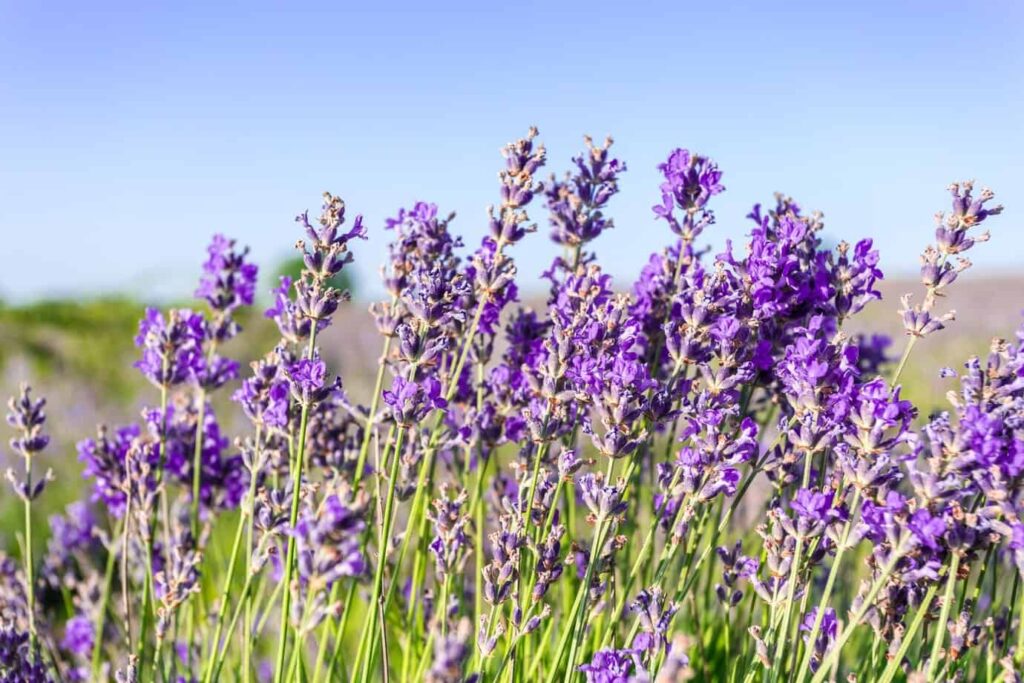
Lavender is one of the most popular and widely used herbs in the world. Known for its beautiful purple flowers and soothing fragrance, lavender has been valued for centuries in traditional wellness practices, aromatherapy, skincare, and herbal remedies.
Scientifically known as Lavandula angustifolia, lavender is commonly used in essential oils, teas, bath products, candles, and skincare formulations. While research continues to explore its full therapeutic potential, studies suggest that lavender may offer several benefits for relaxation, sleep quality, emotional well-being, and overall health.
What Is Lavender?
Lavender is a flowering herb native to the Mediterranean region but now cultivated worldwide. The plant is prized for its aromatic flowers, which contain natural compounds such as:
- Linalool
- Linalyl acetate
- Flavonoids
- Tannins
- Antioxidants
These compounds are believed to contribute to many of lavender’s calming and therapeutic properties.
Nutritional and Therapeutic Components of Lavender
Although lavender is not typically consumed in large amounts as a food, it contains several beneficial plant compounds, including:
- Antioxidants
- Essential oils
- Polyphenols
- Anti-inflammatory compounds
These naturally occurring substances contribute to lavender’s popularity in aromatherapy and wellness practices.
Top Health Benefits of Lavender
1. Helps Reduce Stress and Anxiety
One of the most well-known benefits of lavender is its calming effect on the mind and body.
Research suggests that lavender aroma may help:
- Promote relaxation
- Reduce feelings of stress
- Support emotional well-being
- Create a sense of calm
Many people use lavender essential oil in diffusers, aromatherapy sessions, or relaxation routines to help manage everyday stress.
2. May Improve Sleep Quality
Lavender is commonly used as a natural sleep aid.
The relaxing aroma may help:
- Promote a calming bedtime routine
- Improve sleep quality
- Reduce restlessness
- Support relaxation before sleep
Many individuals place dried lavender near their bed or use lavender essential oil in a diffuser before bedtime.
3. Supports Relaxation and Mental Wellness
The scent of lavender has been associated with improved mood and reduced emotional tension.
Aromatherapy involving lavender may help create a peaceful environment that supports mental wellness and relaxation throughout the day.
4. Provides Antioxidant Protection
Lavender contains antioxidant compounds that help protect cells from oxidative stress caused by free radicals.
Antioxidants contribute to:
- Cellular health
- Healthy aging
- Immune support
- Overall wellness
A diet and lifestyle that include antioxidant-rich foods and plants may help support long-term health.
5. May Help Relieve Minor Headaches
Some studies suggest that inhaling lavender aroma may help reduce the intensity of tension-related headaches in certain individuals.
Many people use lavender aromatherapy as part of their relaxation routine when experiencing occasional headaches.
However, severe or recurring headaches should always be evaluated by a healthcare professional.
6. Supports Skin Health
Lavender is commonly used in skincare products because of its soothing and cleansing properties.
Lavender-based products may help:
- Calm minor skin irritation
- Support healthy-looking skin
- Promote skin comfort
- Enhance skincare routines
Always dilute essential oils properly before applying them to the skin.
7. May Help Ease Minor Muscle Tension
Lavender oil is frequently included in massage oils and bath products because of its relaxing aroma.
Massage combined with diluted lavender oil may help promote relaxation and temporarily ease muscle tension after physical activity.
8. Supports Respiratory Comfort
The refreshing scent of lavender is often used during aromatherapy sessions to promote a sense of respiratory comfort.
While lavender is not a treatment for respiratory conditions, some individuals find its aroma soothing during seasonal discomfort.
9. May Support Cognitive Performance
Emerging research suggests that relaxing aromas such as lavender may help improve focus and mental clarity by reducing stress and promoting a calmer state of mind.
Additional research is needed to fully understand lavender’s role in cognitive function.
10. Promotes a Positive Mood
Lavender is widely used to create a pleasant atmosphere in homes, spas, and wellness settings.
Its fragrance may help:
- Enhance mood
- Reduce irritability
- Promote emotional balance
- Support overall well-being
Popular Ways to Use Lavender
Lavender Essential Oil
Commonly used in:
- Diffusers
- Aromatherapy
- Massage oils
- Bath products
Dried Lavender
Often used in:
- Sachets
- Potpourri
- Decorative arrangements
- Sleep-support routines
Lavender Tea
Lavender tea is enjoyed by many people as a soothing herbal beverage that promotes relaxation.
Skincare Products
Lavender is a common ingredient in:
- Lotions
- Creams
- Soaps
- Facial products
Safety Considerations
Lavender is generally considered safe when used appropriately.
Essential Oil Safety
- Always dilute lavender essential oil before applying it to the skin.
- Avoid direct contact with eyes and mucous membranes.
- Perform a patch test before first-time use.
Pregnancy and Medical Conditions
Pregnant women, breastfeeding mothers, and individuals with medical conditions should consult a healthcare professional before using lavender therapeutically.
Children and Pets
Lavender products should be used carefully around children and pets. Always follow product instructions and seek professional guidance when needed.
Final Thoughts
Lavender is much more than a pleasant-smelling herb. Its calming aroma and beneficial plant compounds have made it a popular choice for supporting relaxation, sleep quality, mood, and overall wellness.
While lavender should not replace medical treatment for serious health conditions, it can be a valuable addition to a healthy lifestyle when used safely and appropriately. Whether enjoyed as an essential oil, tea, skincare ingredient, or aromatic herb, lavender continues to be one of nature’s most versatile wellness plants.
Frequently Asked Questions (FAQs)
What are the main health benefits of lavender?
Lavender is commonly used to support relaxation, improve sleep quality, reduce stress, enhance mood, and promote overall well-being.
Can lavender help with anxiety?
Some studies suggest that lavender aromatherapy may help reduce feelings of stress and anxiety by promoting relaxation.
Is lavender good for sleep?
Lavender is widely used as a natural sleep-support aid because its calming aroma may help improve sleep quality and relaxation before bedtime.
Can lavender help with headaches?
Some individuals find that inhaling lavender aroma helps relieve occasional tension-related headaches, although results may vary.
Is lavender safe for the skin?
Lavender can be used in skincare products, but essential oils should always be diluted before topical application.
Can I drink lavender tea?
Yes. Lavender tea is commonly consumed as a relaxing herbal beverage and is generally considered safe for most healthy adults.
Does lavender have antioxidant properties?
Yes. Lavender contains antioxidant compounds that help protect cells from oxidative stress.
Can lavender improve mood?
Many people use lavender aromatherapy to promote relaxation, emotional balance, and a more positive mood.
Is lavender safe during pregnancy?
Pregnant or breastfeeding women should consult a healthcare professional before using lavender essential oils or supplements.
Can lavender be used around pets?
Some lavender products may not be suitable for certain pets. Always consult a veterinarian before using essential oils around animals.

Hi, I’m Amrita Pandey. I specialize in writing about health, pregnancy, yoga, natural remedies, beverages, fruits, and vegetables. I enjoy creating clear, well-researched content that helps readers make informed decisions and build healthier everyday habits.