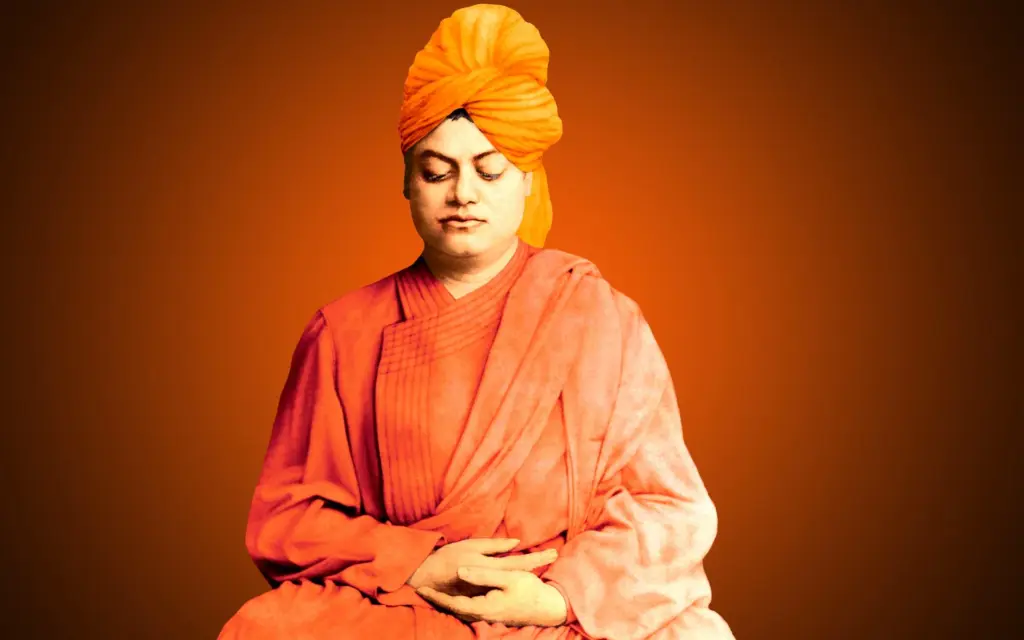
Swami Vivekananda was one of India’s greatest spiritual leaders, philosophers, and social reformers. His teachings on spirituality, self-confidence, education, service to humanity, and universal brotherhood continue to inspire millions of people around the world.
Known for introducing Indian philosophy and Vedanta to the Western world, Swami Vivekananda played a crucial role in reviving India’s spiritual heritage and promoting the message of religious harmony. His famous speech at the Parliament of Religions in Chicago in 1893 brought global recognition to India’s ancient wisdom and established him as an influential spiritual ambassador.
His life was dedicated not only to personal spiritual realization but also to uplifting society through education, service, and character-building.
Early Life of Swami Vivekananda
Birth and Family Background
Swami Vivekananda was born as Narendranath Datta on 12 January 1863 in Kolkata (then Calcutta), India. He was born into a cultured and well-educated family.
His father, Vishwanath Datta, was a successful lawyer known for his progressive outlook and intellectual thinking. His mother, Bhuvaneshwari Devi, was deeply religious and played a significant role in shaping his character and spiritual inclination.
From an early age, Narendranath displayed extraordinary intelligence, curiosity, and leadership qualities.
Education and Intellectual Development
Swami Vivekananda received a well-rounded education that combined academic excellence with physical development.
He showed keen interest in:
- Philosophy
- Literature
- History
- Music
- Religion
- Western thought
- Indian scriptures
Apart from academics, he actively participated in:
- Swimming
- Wrestling
- Horse riding
- Physical fitness activities
His intellectual curiosity led him to study both Eastern and Western philosophies. During his youth, he developed a rational and questioning mindset, often seeking logical answers to spiritual questions.
Meeting Sri Ramakrishna: A Turning Point
One of the most significant events in Vivekananda’s life occurred in 1881 when he met his spiritual master, Sri Ramakrishna.
At first, Narendranath was skeptical of Ramakrishna’s teachings and mystical experiences. As a rational thinker, he questioned everything and sought direct experience rather than blind faith.
However, through continuous interaction and spiritual guidance, he gradually realized the depth of Ramakrishna’s wisdom and spiritual realization.
Eventually, he accepted Ramakrishna as his guru, mentor, and spiritual guide.
This relationship profoundly transformed his life and laid the foundation for his future mission.
Life After Ramakrishna’s Passing
After the passing of Sri Ramakrishna in 1886, Vivekananda and his fellow disciples embraced monastic life.
During this period, he traveled extensively across India as a wandering monk.
Journey Across India
His travels exposed him to the realities of Indian society.
He witnessed:
- Poverty
- Social inequality
- Illiteracy
- Economic hardship
- Social discrimination
These experiences deeply affected him and strengthened his determination to work for the upliftment of humanity.
He realized that spiritual growth must go hand in hand with social service and education.
The Historic Chicago Parliament of Religions
Journey to the West
In 1893, Swami Vivekananda traveled to the United States to participate in the World’s Parliament of Religions in Chicago.
At the time, very few people outside India were familiar with Hindu philosophy and Vedantic teachings.
The Famous Chicago Speech
On September 11, 1893, Vivekananda began his speech with the iconic words:
“Sisters and Brothers of America”
His heartfelt greeting received a standing ovation and immediately captured the attention of the audience.
Through his speeches, he introduced the world to:
- Vedanta philosophy
- Universal tolerance
- Religious harmony
- Spiritual unity
- Human brotherhood
His message emphasized that all religions ultimately lead toward the same truth.
The Chicago Parliament transformed him into an internationally respected spiritual leader.
Spreading the Message of Vedanta
Following his success in Chicago, Vivekananda spent several years teaching and lecturing throughout:
- United States
- England
- Europe
His lectures attracted scholars, intellectuals, and spiritual seekers interested in Eastern philosophy.
He presented Hinduism not as a religion confined to rituals but as a universal science of spiritual realization.
Founding the Ramakrishna Mission
After returning to India, Vivekananda established the Ramakrishna Mission in 1897.
He also founded the Belur Math near Kolkata, which remains the headquarters of the organization today.
Mission Objectives
The Ramakrishna Mission was established with the goal of:
- Promoting spiritual growth
- Providing education
- Serving humanity
- Supporting healthcare initiatives
- Offering disaster relief
- Encouraging social welfare
Vivekananda believed that serving humanity was equivalent to serving God.
His famous teaching was:
“Service to man is service to God.”
Swami Vivekananda’s Philosophy
Practical Vedanta
Vivekananda taught that spirituality should not remain limited to temples and scriptures.
Instead, spiritual wisdom should be applied in daily life through:
- Compassion
- Service
- Discipline
- Self-confidence
- Character building
Strength and Fearlessness
One of his most powerful messages was the importance of strength.
According to Vivekananda:
- Strength leads to success.
- Fear weakens human potential.
- Confidence is essential for personal growth.
He encouraged young people to develop courage, discipline, and determination.
Universal Brotherhood
Vivekananda strongly advocated religious harmony and mutual respect.
He believed:
- Every religion contains truth.
- Humanity is one family.
- Differences should be respected rather than feared.
His teachings continue to inspire interfaith dialogue worldwide.
Contributions to Education and Youth Development
Swami Vivekananda considered education to be the most powerful tool for nation-building.
He defined education as:
“The manifestation of the perfection already in man.”
He believed education should:
- Build character
- Develop self-confidence
- Encourage independent thinking
- Promote moral values
- Empower individuals
His ideas continue to influence educational institutions across India and beyond.
Final Years and Mahasamadhi
Despite his enormous achievements, Vivekananda’s life was relatively short.
After a second visit to the West in 1899, he continued teaching and guiding his disciples.
On 4 July 1902, Swami Vivekananda attained Mahasamadhi at Belur Math at the age of only 39.
Although his physical life was brief, his impact on spirituality, education, and society remains timeless.
Legacy of Swami Vivekananda
More than a century after his passing, Vivekananda remains one of the most influential spiritual figures in modern history.
His legacy continues through:
- Ramakrishna Mission centers worldwide
- Educational institutions
- Spiritual organizations
- Social service initiatives
- Inspirational literature and teachings
His life demonstrates how spirituality can be combined with service, leadership, and social responsibility.
Conclusion
Swami Vivekananda’s life was a remarkable journey of self-discovery, spiritual realization, and service to humanity. From a curious young student in Kolkata to a world-renowned spiritual leader, his teachings transformed countless lives and brought Indian philosophy to the global stage.
His message of strength, fearlessness, universal brotherhood, and selfless service remains as relevant today as it was more than a century ago. By following his principles and seeking guidance from genuine spiritual teachers, individuals can cultivate inner growth, purpose, and a meaningful life dedicated to both personal and societal well-being.
Frequently Asked Questions (FAQs)
Who was Swami Vivekananda?
Swami Vivekananda was an Indian monk, philosopher, spiritual leader, and disciple of Sri Ramakrishna who introduced Vedanta and Yoga to the Western world.
What was Swami Vivekananda’s original name?
His birth name was Narendranath Datta.
When was Swami Vivekananda born?
He was born on 12 January 1863 in Kolkata, India.
Who was the guru of Swami Vivekananda?
Sri Ramakrishna Paramahamsa was his spiritual teacher and mentor.
Why is the Chicago Speech famous?
His 1893 speech at the Parliament of Religions promoted religious harmony and introduced Indian spirituality to a global audience.
What is the Ramakrishna Mission?
The Ramakrishna Mission is a spiritual and humanitarian organization founded by Swami Vivekananda in 1897.
What were Swami Vivekananda’s main teachings?
His teachings focused on self-confidence, strength, spirituality, service to humanity, education, and universal brotherhood.
When did Swami Vivekananda die?
He passed away on 4 July 1902 at Belur Math, West Bengal, India.
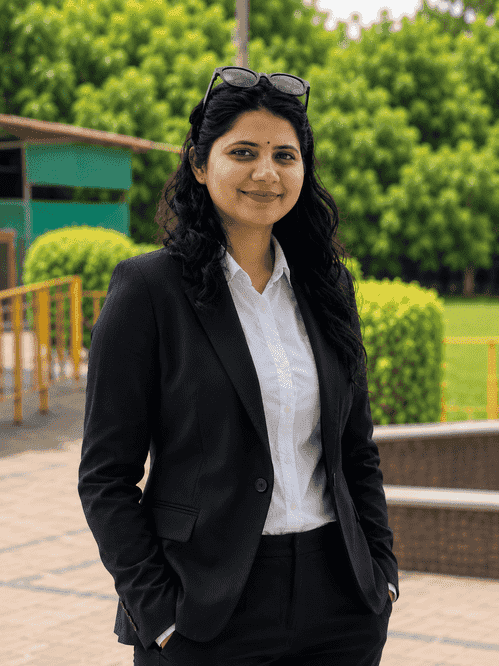
Hi, I’m Amrita Pandey. I specialize in writing about health, pregnancy, yoga, natural remedies, beverages, fruits, and vegetables. I enjoy creating clear, well-researched content that helps readers make informed decisions and build healthier everyday habits.