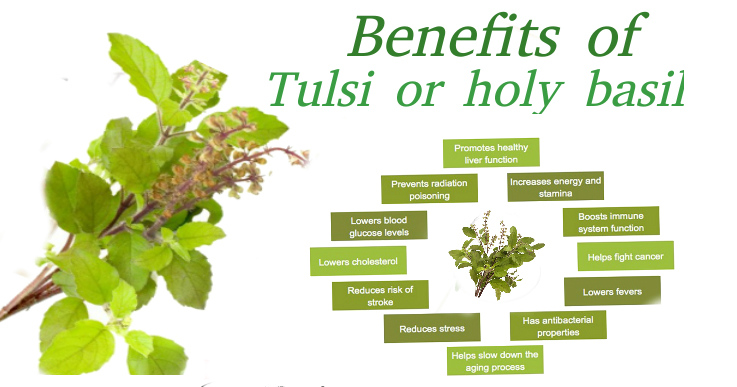
The Basil ( Tulsi ) leave is an symbol in the Hindu tradition, a part from this it had several medicinal values.Let us see the Main health benefits of Tulsi (Basil).
Tulsi, also known as Holy Basil, is one of the most revered herbs in Indian culture and traditional wellness practices. In Hindu tradition, Tulsi holds spiritual significance and is often grown in homes as a sacred plant. Beyond its cultural importance, Tulsi has been valued for centuries for its potential health-supporting properties. Rich in antioxidants and beneficial plant compounds, Tulsi is widely used in herbal remedies and Ayurvedic practices.
Top Health Benefits of Tulsi Leaves
1. May Help Soothe Sore Throats
Tulsi leaves are commonly used as a natural remedy for sore throats. Drinking warm water infused with Tulsi leaves or using it as a gargle may help soothe throat discomfort and support overall respiratory health.
2. Supports Respiratory Health
Tulsi is often used in traditional remedies for coughs and respiratory conditions. Its natural properties may help loosen mucus and support easier breathing, making it a popular herbal choice during seasonal respiratory discomfort.
3. May Support Kidney Health
Tulsi has been traditionally associated with kidney wellness. Some studies suggest that its antioxidant properties may help support overall kidney function as part of a healthy lifestyle. However, individuals with kidney-related concerns should consult a healthcare professional for proper medical advice.
4. Promotes Eye Health
Tulsi contains nutrients and antioxidants that may contribute to overall eye health. Traditionally, it has been used to support vision and help protect the eyes from oxidative stress.
5. Supports Oral Health
The antibacterial properties of Tulsi may help maintain oral hygiene. It is often used in herbal oral care products to support healthy gums, fresh breath, and overall mouth health.
6. Acts as a Natural Stress Support Herb
Tulsi is widely recognized as an adaptogenic herb, meaning it may help the body manage everyday stress. Regular consumption of Tulsi tea or supplements may support mental well-being and overall balance.
7. May Benefit Skin Health
Tulsi contains natural antibacterial and anti-inflammatory compounds that may help support healthy skin. It has traditionally been used in herbal skincare remedies for various minor skin concerns.
8. Supports Heart Health
Research suggests that Tulsi may help support cardiovascular health by contributing to healthy cholesterol levels and reducing oxidative stress. When combined with a balanced diet and active lifestyle, Tulsi may play a role in overall heart wellness.
How to Include Tulsi in Your Daily Routine
You can enjoy the benefits of Tulsi in several ways:
- Drink Tulsi herbal tea.
- Add fresh Tulsi leaves to warm water.
- Use Tulsi powder in smoothies or herbal preparations.
- Include Tulsi-based supplements after consulting a healthcare professional.
Conclusion
Tulsi (Holy Basil) is a powerful herb with a long history in traditional wellness practices. From supporting respiratory health and stress management to promoting oral, skin, and heart health, Tulsi offers numerous potential benefits. While Tulsi can be a valuable addition to a healthy lifestyle, it should not replace professional medical treatment or advice.
Frequently Asked Questions (FAQs)
1. What are the main health benefits of Tulsi leaves?
Tulsi may support respiratory health, stress management, oral health, skin wellness, heart health, and overall immune function.
2. Can I eat Tulsi leaves daily?
Many people consume Tulsi leaves daily in moderation. However, individuals with specific medical conditions should consult a healthcare professional.
3. Is Tulsi good for cough and cold?
Tulsi has traditionally been used to support respiratory comfort and may help soothe coughs and throat irritation.
4. Does Tulsi help reduce stress?
Yes, Tulsi is considered an adaptogenic herb that may help the body cope with everyday stress and promote overall well-being.
5. Can Tulsi improve skin health?
Its natural antibacterial and antioxidant properties may help support healthy skin when used as part of a proper skincare routine.
6. Is Tulsi beneficial for heart health?
Some research suggests Tulsi may help support healthy cholesterol levels and cardiovascular wellness.
7. What is the best way to consume Tulsi?
Tulsi can be consumed as fresh leaves, herbal tea, powder, or supplements depending on personal preference.
8. Are there any side effects of Tulsi?
Tulsi is generally considered safe for most people when consumed in moderation. Consult a healthcare professional if you are pregnant, nursing, or taking medications.

Hi, I’m Amrita Pandey. I specialize in writing about health, pregnancy, yoga, natural remedies, beverages, fruits, and vegetables. I enjoy creating clear, well-researched content that helps readers make informed decisions and build healthier everyday habits.