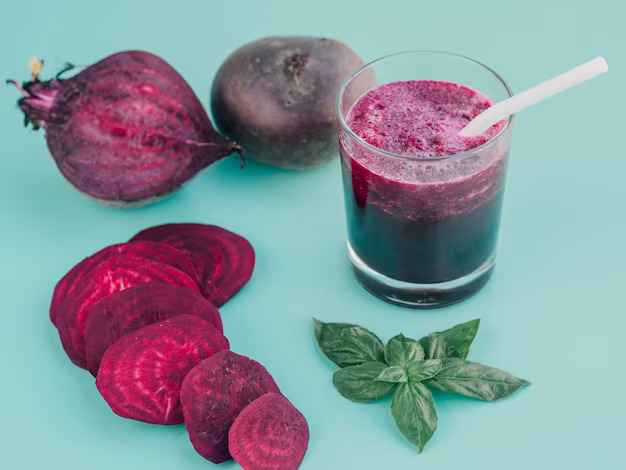
Beetroot is one of the most nutrient-dense vegetables available and has gained popularity as a natural superfood due to its impressive health benefits. Known for its vibrant red color and earthy flavor, beetroot is packed with essential vitamins, minerals, antioxidants, and plant compounds that support overall health.
Whether consumed raw, roasted, cooked, or as beetroot juice, this versatile root vegetable can contribute to heart health, improved exercise performance, healthy digestion, and much more. Modern research continues to explore the many ways beetroot may support well-being and disease prevention.
In this article, we’ll examine the key health benefits of beetroot, its nutritional profile, and practical ways to include it in your diet.
Nutritional Value of Beetroot
Beetroot is low in calories but rich in essential nutrients that help support numerous bodily functions.
A typical serving of beetroot provides:
- Dietary fiber
- Vitamin C
- Folate (Vitamin B9)
- Potassium
- Magnesium
- Iron
- Manganese
- Antioxidants
- Natural nitrates
These nutrients work together to support cardiovascular health, immune function, energy production, and overall wellness.
1. Supports Heart Health
Beetroot and Blood Pressure
One of the most well-researched benefits of beetroot is its positive effect on cardiovascular health.
Beetroot naturally contains dietary nitrates, which the body converts into nitric oxide. Nitric oxide helps relax and widen blood vessels, improving blood flow and circulation.
Potential cardiovascular benefits include:
- Supporting healthy blood pressure levels
- Improving blood vessel function
- Enhancing circulation
- Reducing strain on the heart
Several studies suggest that beetroot juice may help lower blood pressure in some individuals as part of a healthy lifestyle.
Important Note
Beetroot should not replace prescribed medications for high blood pressure. Always follow your healthcare provider’s recommendations.
2. Boosts Energy and Exercise Performance
Natural Energy Support
Beetroot contains carbohydrates that provide the body with a source of energy.
Additionally, the naturally occurring nitrates may improve oxygen delivery to working muscles, potentially helping:
- Increase stamina
- Improve endurance
- Enhance athletic performance
- Reduce exercise fatigue
For this reason, beetroot juice is commonly consumed by athletes before workouts and competitions.
Why Athletes Love Beetroot
Research suggests that improved oxygen utilization may help the body perform physical activities more efficiently.
3. Rich Source of Folate
Essential for Cell Growth and Development
Beetroot is an excellent natural source of folate (Vitamin B9), an important nutrient involved in:
- DNA synthesis
- Cell growth
- Red blood cell production
- Healthy fetal development
Benefits for Women
Adequate folate intake is especially important for women of childbearing age and during pregnancy because it supports healthy fetal growth and neural tube development.
Obtaining folate from nutrient-rich foods like beetroot can complement a healthy diet, although pregnant women should also follow their healthcare provider’s supplementation recommendations.
4. Supports Healthy Skin
Nutrients for Skin Wellness
The vitamins, minerals, and antioxidants found in beetroot contribute to overall skin health.
Potential benefits include:
- Supporting collagen production
- Fighting oxidative stress
- Promoting a healthy complexion
- Protecting skin cells from environmental damage
While beetroot is not a miracle skincare solution, a nutrient-rich diet can contribute to healthier-looking skin over time.
5. May Support Healthy Hair Growth
Nourishing Hair From Within
Healthy hair growth depends on adequate nutrition.
Beetroot provides nutrients such as:
- Folate
- Iron
- Vitamin C
- Antioxidants
These nutrients help support healthy blood circulation and nutrient delivery throughout the body, including the scalp.
While beetroot alone will not prevent hair loss, it can contribute to overall nutritional support for healthy hair.
6. Helps Support Brain Function
Improved Blood Flow May Benefit Cognitive Health
The nitrates found in beetroot may help improve blood circulation throughout the body, including the brain.
Researchers continue to study whether improved blood flow may support:
- Memory
- Cognitive function
- Mental performance
- Healthy aging
Although more research is needed, beetroot’s cardiovascular benefits may indirectly support brain health.
7. Promotes Healthy Digestion
Fiber Supports Gut Health
Beetroot is a good source of dietary fiber, which plays a crucial role in digestive wellness.
Benefits of fiber include:
- Supporting regular bowel movements
- Preventing constipation
- Promoting gut health
- Feeding beneficial gut bacteria
A healthy digestive system contributes to overall health and well-being.
8. May Help Prevent Iron Deficiency
Supports Red Blood Cell Production
Beetroot contains iron, a mineral necessary for producing healthy red blood cells.
Iron helps:
- Transport oxygen throughout the body
- Prevent fatigue
- Support energy levels
- Reduce the risk of iron-deficiency anemia
Although beetroot is not among the highest iron-containing foods, it can contribute to overall iron intake as part of a balanced diet.
9. Contains Powerful Antioxidants
Fighting Cellular Damage
Beetroot contains unique antioxidants known as betalains, which give the vegetable its distinctive deep-red color.
Antioxidants help:
- Neutralize free radicals
- Reduce oxidative stress
- Support immune health
- Protect cells from damage
Oxidative stress has been linked to aging and various chronic diseases.
10. May Have Anti-Inflammatory Properties
Natural Plant Compounds
The betalains and other phytonutrients in beetroot have demonstrated anti-inflammatory effects in some research studies.
Reducing chronic inflammation may help support:
- Heart health
- Joint health
- Metabolic health
- Overall wellness
More research is ongoing to fully understand these potential benefits.
Can Beetroot Help Prevent Cancer?
Beetroot contains antioxidants and plant compounds that may help protect cells from damage.
Laboratory and animal studies have explored the potential anticancer properties of beetroot compounds. However, more human research is needed before any conclusions can be made.
Beetroot should be viewed as part of a healthy, balanced diet rather than a treatment or cure for cancer.
How to Add Beetroot to Your Diet
One of the best things about beetroot is its versatility.
You can enjoy it:
Raw
- Grated into salads
- Sliced into sandwiches
- Added to slaws
Cooked
- Roasted as a side dish
- Added to curries
- Included in soups
As Juice
Fresh beetroot juice can be combined with:
- Carrots
- Apples
- Ginger
- Oranges
In Smoothies
Blend beetroot with fruits and yogurt for a nutrient-rich drink.
In Baking
Beetroot can be used in:
- Muffins
- Cakes
- Brownies
to add moisture and natural sweetness.
Are There Any Side Effects of Beetroot?
Beetroot is generally safe for most people when consumed as part of a balanced diet.
Possible Side Effects
Beeturia
Some people may notice:
- Pink urine
- Red urine
- Red-colored stools
This harmless condition is known as beeturia.
Kidney Stones
Beetroot contains oxalates, which may contribute to kidney stone formation in susceptible individuals.
Low Blood Pressure
People taking blood pressure medications should consult their healthcare provider if regularly consuming large amounts of beetroot juice.
Frequently Asked Questions (FAQ)
What are the main health benefits of beetroot?
Beetroot may support heart health, healthy blood pressure, digestion, exercise performance, brain function, and overall nutrition.
Does beetroot help lower blood pressure?
The natural nitrates in beetroot may help improve blood vessel function and support healthy blood pressure levels.
Is beetroot good for skin?
Beetroot contains antioxidants and vitamins that may support healthy skin as part of a balanced diet.
Can beetroot improve exercise performance?
Research suggests that dietary nitrates in beetroot may improve stamina and exercise efficiency in some individuals.
Is beetroot good for anemia?
Beetroot contains iron and folate, both of which contribute to healthy red blood cell production.
Can I drink beetroot juice every day?
Many healthy individuals can safely consume beetroot juice regularly. However, moderation is recommended, and individuals with certain medical conditions should consult a healthcare professional.
Why does beetroot turn urine red?
A harmless condition called beeturia can cause urine or stools to appear pink or red after consuming beetroot.
What is the healthiest way to eat beetroot?
Raw, roasted, steamed, or juiced beetroot can all provide valuable nutrients. The best choice depends on personal preference and dietary needs.
Conclusion
Beetroot is a highly nutritious vegetable that offers a wide range of health benefits. Rich in fiber, vitamins, minerals, antioxidants, and natural nitrates, it supports heart health, healthy blood pressure, digestion, exercise performance, and overall wellness.
Whether you enjoy beetroot in salads, smoothies, juices, soups, or roasted dishes, incorporating this vibrant root vegetable into your diet can be a simple and delicious way to enhance your nutritional intake.
As with any food, balance and variety remain key. When included as part of a healthy lifestyle, beetroot can be a valuable addition to your long-term wellness journey.

Hi, I’m Amrita Pandey. I specialize in writing about health, pregnancy, yoga, natural remedies, beverages, fruits, and vegetables. I enjoy creating clear, well-researched content that helps readers make informed decisions and build healthier everyday habits.