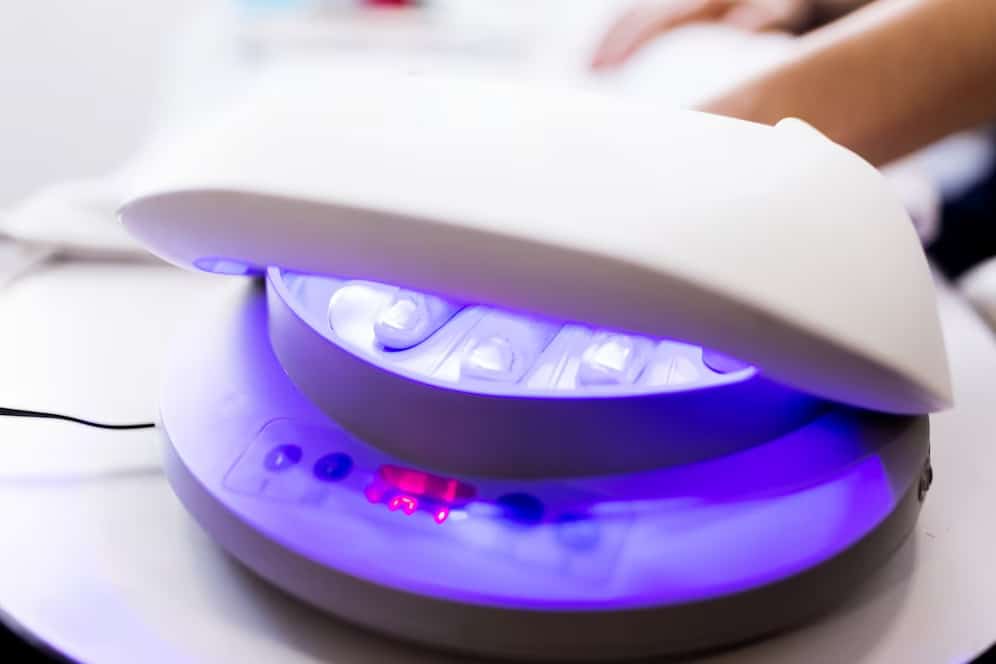
Phototherapy, also known as light therapy, is a medically recognized treatment that uses specific wavelengths of ultraviolet (UV) light to help manage certain skin conditions. Among the various phototherapy options available, handheld UVB phototherapy lamps have become increasingly popular because they allow patients to perform doctor-recommended treatments conveniently at home.
For individuals living with chronic skin conditions such as psoriasis, vitiligo, or eczema, home phototherapy can offer a practical way to continue treatment between clinic visits. However, understanding the benefits, limitations, and safe usage of a handheld UVB lamp is essential before making a purchase.
In this guide, we’ll explore the major benefits of handheld UVB phototherapy devices and how they may support the management of specific health conditions.
What Is a Handheld UVB Phototherapy Lamp?
A handheld UVB phototherapy lamp is a portable medical device that emits controlled ultraviolet B (UVB) light. Dermatologists often recommend UVB phototherapy as part of a treatment plan for certain skin disorders.
Unlike traditional phototherapy equipment used in hospitals or dermatology clinics, handheld devices are designed for targeted treatment of smaller affected areas such as:
- Hands
- Feet
- Elbows
- Knees
- Scalp
- Localized skin patches
These devices offer convenience and flexibility while allowing patients to follow prescribed treatment schedules from home.
How Does UVB Phototherapy Work?
UVB light penetrates the outer layers of the skin and helps regulate abnormal skin cell growth and immune responses associated with certain skin conditions.
Depending on the condition being treated, UVB therapy may help:
- Slow excessive skin cell production
- Reduce inflammation
- Promote repigmentation in certain skin disorders
- Improve skin appearance
- Relieve itching and discomfort
Because UV exposure must be carefully controlled, treatment should always be used according to manufacturer instructions and healthcare provider recommendations.
1. Helps Manage Psoriasis Symptoms
One of the most common uses of UVB phototherapy is the management of psoriasis.
Understanding Psoriasis
Psoriasis is a chronic autoimmune skin condition that causes skin cells to multiply more rapidly than normal. This often results in:
- Thickened skin patches
- Redness
- Scaling
- Itching
- Discomfort
Although psoriasis currently has no permanent cure, many treatment options can help control symptoms and improve quality of life.
How UVB Therapy May Help
UVB phototherapy may help:
- Slow excessive skin cell growth
- Reduce inflammation
- Decrease scaling
- Relieve itching
- Improve the appearance of plaques
For patients with localized psoriasis, a handheld UVB lamp can provide targeted treatment while reducing the need for frequent clinic visits.
2. Supports Vitiligo Treatment
Vitiligo is another skin condition commonly treated with UVB phototherapy.
What Is Vitiligo?
Vitiligo occurs when pigment-producing cells called melanocytes stop functioning or are destroyed, leading to white patches on the skin.
Common areas affected include:
- Face
- Hands
- Arms
- Legs
- Scalp
Vitiligo can affect individuals physically and emotionally, particularly when visible areas of skin are involved.
How UVB Phototherapy Helps
Narrowband UVB therapy is widely used in dermatology for vitiligo management because it may help stimulate pigment production in affected areas.
Potential benefits include:
- Encouraging repigmentation
- Slowing disease progression in some cases
- Improving overall skin appearance
Results vary between individuals, and treatment often requires consistent use over several months under medical supervision.
3. May Help Relieve Symptoms of Eczema
Eczema, also known as atopic dermatitis, is a chronic inflammatory skin condition characterized by:
- Dry skin
- Itching
- Redness
- Irritation
- Skin sensitivity
For some patients, UVB phototherapy may be recommended when topical treatments alone are not providing sufficient relief.
Benefits for Eczema
Phototherapy may help:
- Reduce inflammation
- Decrease itching
- Improve skin barrier function
- Reduce flare-up frequency
However, treatment suitability depends on the severity and type of eczema, making professional medical advice essential.
4. Convenient Home-Based Treatment
One of the biggest advantages of owning a handheld UVB phototherapy lamp is convenience.
Traditional phototherapy often requires multiple clinic visits each week, which can be challenging for individuals with busy schedules.
Advantages of Home Treatment
- Greater flexibility
- Reduced travel time
- Improved treatment consistency
- Easier management of chronic conditions
- More privacy during treatment
Patients can continue treatment plans from the comfort of their homes while maintaining regular follow-ups with their healthcare provider.
5. Targeted Treatment for Specific Areas
Unlike full-body phototherapy units, handheld devices allow targeted treatment of smaller areas.
This can be especially useful for:
- Elbows
- Knees
- Hands
- Feet
- Scalp lesions
- Localized vitiligo patches
Targeted treatment may reduce unnecessary UV exposure to unaffected skin.
6. Cost-Effective Long-Term Solution
For individuals requiring ongoing phototherapy, purchasing a handheld UVB lamp may become more economical over time compared to repeated clinic visits.
Potential savings may include:
- Reduced travel expenses
- Fewer appointment-related costs
- Less time away from work or daily responsibilities
While the initial investment may seem significant, many patients find home treatment more practical for long-term management.
Important Safety Considerations
Although UVB phototherapy is generally considered safe when used correctly, improper use may increase the risk of side effects.
Possible Side Effects
- Skin redness
- Mild irritation
- Dryness
- Sunburn-like reactions
- Premature skin aging with excessive exposure
Safety Tips
- Always follow physician instructions.
- Use protective eyewear if recommended.
- Follow prescribed treatment durations.
- Avoid exceeding recommended exposure times.
- Monitor skin reactions closely.
- Attend regular dermatology check-ups.
Phototherapy should never be self-prescribed without appropriate medical guidance.
Who May Benefit from a Handheld UVB Lamp?
A handheld UVB phototherapy device may be suitable for individuals who:
- Have localized psoriasis
- Are managing vitiligo under medical supervision
- Experience chronic eczema
- Require ongoing maintenance treatment
- Prefer home-based treatment options
A dermatologist can help determine whether home phototherapy is appropriate for your specific condition.
Final Thoughts
Handheld UVB phototherapy lamps offer a convenient and effective option for managing certain chronic skin conditions, particularly psoriasis, vitiligo, and eczema. Their portability, targeted treatment capabilities, and ease of home use make them a valuable tool for many patients.
However, successful treatment depends on proper usage and ongoing medical supervision. Before investing in a UVB phototherapy lamp, consult a qualified dermatologist to ensure the device is appropriate for your needs and to receive guidance on safe treatment protocols.
When used responsibly, home phototherapy can play an important role in supporting healthier skin and improving quality of life.
Frequently Asked Questions (FAQs)
1. What is a handheld UVB phototherapy lamp?
A handheld UVB phototherapy lamp is a portable medical device that emits ultraviolet B light and is commonly used to manage certain skin conditions such as psoriasis and vitiligo.
2. Can UVB phototherapy cure psoriasis?
No. Psoriasis currently has no cure. However, UVB phototherapy may help reduce symptoms such as scaling, redness, itching, and inflammation.
3. Is UVB phototherapy effective for vitiligo?
Narrowband UVB therapy is one of the most commonly recommended treatments for vitiligo and may help stimulate repigmentation in some patients.
4. Can I use a UVB lamp at home?
Yes, many UVB phototherapy devices are designed for home use. However, treatment should be performed according to medical advice and manufacturer guidelines.
5. Is UVB phototherapy safe?
When used correctly and under medical supervision, UVB phototherapy is generally considered safe. Overexposure can increase the risk of skin irritation and other side effects.
6. How long does it take to see results from UVB phototherapy?
Results vary depending on the condition being treated and individual response. Some patients may notice improvements within weeks, while others may require several months of consistent treatment.
7. Can UVB phototherapy help eczema?
For certain patients with eczema, UVB phototherapy may help reduce inflammation, itching, and flare-ups when recommended by a dermatologist.
8. Should I consult a doctor before buying a UVB phototherapy lamp?
Yes. Consulting a dermatologist is highly recommended to determine whether UVB phototherapy is appropriate for your condition and to receive guidance on safe treatment use.

Hi, I’m Amrita Pandey. I specialize in writing about health, pregnancy, yoga, natural remedies, beverages, fruits, and vegetables. I enjoy creating clear, well-researched content that helps readers make informed decisions and build healthier everyday habits.