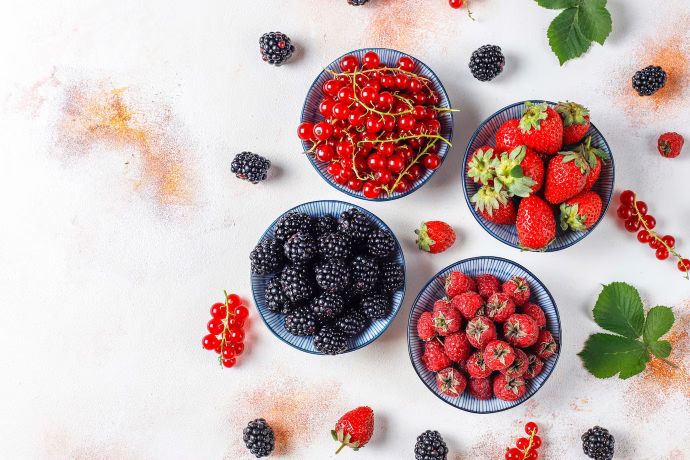
Can Eating Berries Support Heart Health?
Heart disease remains one of the leading causes of death worldwide, making prevention strategies increasingly important. While regular exercise, maintaining a healthy weight, and avoiding smoking are well-known ways to protect cardiovascular health, emerging research suggests that certain fruits may also play a valuable role.
A large-scale study conducted by researchers at Harvard University found that young and middle-aged women who regularly consumed blueberries and strawberries had a significantly lower risk of experiencing a heart attack. The findings highlight the potential cardiovascular benefits of naturally occurring compounds called anthocyanins, which are abundant in many red, blue, and purple fruits and vegetables.
What Did the Research Discover?
Researchers followed more than 100,000 women between the ages of 25 and 42 over an 18-year period. Beginning in 1991, participants completed detailed food-frequency questionnaires every four years, allowing researchers to monitor dietary habits and long-term health outcomes.
During the study period, researchers documented 405 fatal and non-fatal heart attacks among participants.
After accounting for various factors that can influence heart disease risk—including diet, lifestyle, physical activity, smoking habits, and other health conditions—the researchers identified a compelling association between anthocyanin intake and heart health.
Women with the highest intake of anthocyanin-rich foods were found to have a:
- 32% lower risk of heart attack compared with women who consumed the lowest amounts.
- 34% lower risk of heart attack when consuming more than three servings of blueberries or strawberries per week.
The study was published in the peer-reviewed journal Circulation, a respected publication focused on cardiovascular research.
What Are Anthocyanins?
Anthocyanins are naturally occurring plant compounds that belong to a group of antioxidants known as flavonoids. They are responsible for the vibrant red, blue, and purple colors found in many fruits and vegetables.
Foods rich in anthocyanins include:
- Blueberries
- Strawberries
- Blackberries
- Raspberries
- Cherries
- Red grapes
- Purple cabbage
- Eggplant
- Blackcurrants
These compounds have attracted scientific interest because of their potential anti-inflammatory and antioxidant properties.
How Might Anthocyanins Protect the Heart?
Although researchers continue to study the exact mechanisms involved, anthocyanins may support cardiovascular health in several ways:
1. Supporting Healthy Blood Pressure
Some studies suggest that anthocyanins can help improve the flexibility of blood vessels, making it easier for blood to flow efficiently throughout the body.
2. Reducing Oxidative Stress
Oxidative stress occurs when harmful free radicals damage cells and tissues. Antioxidants such as anthocyanins help neutralize these compounds, potentially reducing damage to blood vessels.
3. Improving Blood Vessel Function
Healthy blood vessels play a critical role in maintaining proper circulation. Anthocyanins may enhance endothelial function—the ability of blood vessels to expand and contract properly.
4. Reducing Inflammation
Chronic inflammation is considered a contributing factor to cardiovascular disease. Anthocyanin-rich foods may help reduce inflammatory responses within the body.
Why Blueberries and Strawberries Stand Out
While many fruits contain beneficial antioxidants, blueberries and strawberries emerged as the most commonly consumed anthocyanin-rich foods among participants in the study.
These berries offer several nutritional advantages:
Blueberries
Blueberries are rich in:
- Vitamin C
- Vitamin K
- Manganese
- Dietary fiber
- Powerful antioxidants
Strawberries
Strawberries provide:
- Vitamin C
- Folate
- Potassium
- Fiber
- Polyphenols and antioxidants
Both fruits are naturally low in calories, making them an easy addition to a balanced diet.
Important: Berries Are Not a Magic Solution
The researchers emphasized that consuming blueberries and strawberries should be viewed as one part of an overall heart-healthy lifestyle—not a standalone solution.
According to lead researcher Eric B. Rimm, an epidemiology and nutrition expert at Harvard, these fruits are promising, but they should complement other healthy habits rather than replace them.
A heart-friendly lifestyle typically includes:
- Eating a balanced diet rich in fruits and vegetables
- Exercising regularly
- Maintaining a healthy weight
- Avoiding tobacco products
- Managing stress
- Getting adequate sleep
- Monitoring blood pressure and cholesterol levels
Easy Ways to Add More Berries to Your Diet
If you’d like to increase your intake of anthocyanin-rich foods, consider these simple ideas:
- Add blueberries to oatmeal or yogurt.
- Blend strawberries into smoothies.
- Include mixed berries in breakfast bowls.
- Use berries as a healthy dessert.
- Add fresh berries to salads.
- Freeze berries for a refreshing snack.
Fresh, frozen, and minimally processed berries can all contribute valuable nutrients to your diet.
Key Takeaways
- A large Harvard study found that women with the highest anthocyanin intake had a significantly lower risk of heart attack.
- Eating more than three servings of blueberries or strawberries weekly was associated with a 34% reduction in heart attack risk.
- Anthocyanins may support heart health by improving blood vessel function, reducing inflammation, and helping maintain healthy blood pressure.
- Blueberries and strawberries are nutrient-dense foods that can be easily incorporated into a balanced diet.
- Berries should be part of a broader heart-healthy lifestyle rather than viewed as a cure-all.
Frequently Asked Questions
Are blueberries good for heart health?
Yes. Blueberries contain anthocyanins and antioxidants that may help support healthy blood vessels and cardiovascular function.
How many blueberries should I eat per week?
Research suggests that consuming several servings of anthocyanin-rich berries each week may offer cardiovascular benefits. A serving is generally around one cup of fresh berries.
Do strawberries help lower heart attack risk?
Studies have found an association between higher strawberry consumption and a reduced risk of heart attack, likely due to their anthocyanin content and antioxidant properties.
What foods contain anthocyanins?
Anthocyanins are found in blueberries, strawberries, blackberries, cherries, raspberries, red grapes, purple cabbage, blackcurrants, and eggplant.
Can eating berries prevent heart disease?
No single food can prevent heart disease. However, berries can contribute to a healthy dietary pattern that supports cardiovascular health.
Are frozen berries as healthy as fresh berries?
In many cases, frozen berries retain most of their nutritional value and can be an excellent alternative when fresh berries are unavailable.
Do men benefit from anthocyanin-rich foods too?
Although this particular study focused on women, other research suggests that anthocyanin-rich foods may provide cardiovascular benefits for both men and women.
What is the healthiest way to eat berries?
Fresh or frozen berries without added sugars provide the greatest nutritional benefits. They can be eaten alone or added to meals and snacks.
Conclusion
The growing body of research surrounding blueberries, strawberries, and other anthocyanin-rich foods highlights the important connection between nutrition and heart health. While these colorful berries are not a substitute for medical care or a healthy lifestyle, incorporating them into a balanced diet may be a simple and enjoyable way to support cardiovascular wellness.
Small dietary changes made consistently over time can have a meaningful impact on long-term health, and adding a few servings of berries each week may be one of the easiest heart-friendly habits to adopt.

Hi, I’m Amrita Pandey. I specialize in writing about health, pregnancy, yoga, natural remedies, beverages, fruits, and vegetables. I enjoy creating clear, well-researched content that helps readers make informed decisions and build healthier everyday habits.