Health Benefits of Ajwain (Carom Seeds): Nutrition, Uses, and Wellness Benefits
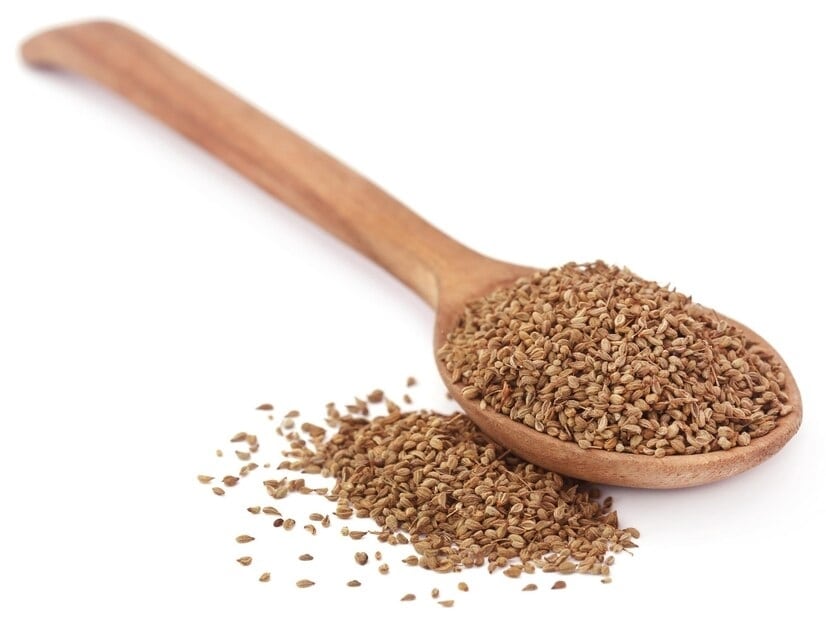
Ajwain, commonly known as carom seeds, is a popular spice widely used in Indian kitchens and traditional Ayurvedic practices. Known for its strong aroma and distinctive flavor, ajwain has been valued for centuries not only as a culinary ingredient but also as a natural remedy for digestive and respiratory health.
Rich in essential nutrients, antioxidants, and bioactive compounds, ajwain offers a variety of potential health benefits when consumed as part of a balanced diet.
In this comprehensive guide, we’ll explore the nutritional profile of ajwain, its potential health benefits, how to use it, and important precautions to consider.
What Is Ajwain?
Ajwain (Trachyspermum ammi) is a seed-like spice belonging to the Apiaceae family, which also includes cumin, fennel, and parsley.
Despite being referred to as seeds, ajwain is technically the fruit of the plant. It has a strong, thyme-like aroma due to the presence of thymol, one of its most important active compounds.
Ajwain is commonly used in:
- Indian curries
- Flatbreads
- Snacks
- Herbal teas
- Ayurvedic remedies
Its distinctive taste and therapeutic properties make it a staple ingredient in traditional wellness practices.
Nutritional Value of Ajwain
Ajwain contains several nutrients and plant compounds that contribute to its health-supporting properties.
Key Nutrients Found in Ajwain
- Dietary fiber
- Protein
- Calcium
- Potassium
- Phosphorus
- Iron
- Magnesium
- Vitamin A
- Vitamin C
- B vitamins
Bioactive Compounds
Ajwain is particularly valued for compounds such as:
- Thymol
- Terpenes
- Flavonoids
- Antioxidants
These compounds are believed to contribute to many of its traditional uses.
1. Supports Digestive Health
One of the most recognized benefits of ajwain is its role in digestive wellness.
How Ajwain Supports Digestion
Ajwain may help:
- Promote digestive enzyme activity
- Support healthy digestion
- Reduce occasional bloating
- Improve digestive comfort
In traditional households, ajwain is often consumed after meals to support digestion.
Ajwain for Bloating and Gas
Ajwain’s carminative properties may help reduce:
- Gas
- Abdominal discomfort
- Indigestion
This is one reason why ajwain remains a popular home remedy for digestive complaints.
2. May Help Relieve Acidity and Indigestion
Many people consume ajwain to ease occasional acidity and stomach discomfort.
Traditional remedies often combine:
- Ajwain
- Warm water
- A pinch of black salt
While individual experiences vary, many people find this combination soothing after heavy meals.
3. Rich in Antioxidants
Ajwain contains antioxidant compounds that help protect cells from oxidative stress.
Why Antioxidants Matter
Oxidative stress has been associated with:
- Premature aging
- Cellular damage
- Inflammation
- Chronic diseases
Including antioxidant-rich spices and foods in your diet can support overall wellness.
4. Supports Weight Management
Ajwain is often included in wellness routines aimed at supporting healthy weight management.
Potential Benefits
Its fiber content may help:
- Promote fullness
- Reduce excessive snacking
- Support digestive function
It is important to remember that no single food causes weight loss. Sustainable weight management depends on balanced nutrition, physical activity, and healthy lifestyle habits.
5. May Support Respiratory Health
Ajwain has traditionally been used to support respiratory comfort.
Traditional Uses
Ajwain steam inhalation is commonly used in some cultures for:
- Nasal congestion
- Seasonal respiratory discomfort
- Mild cold symptoms
Its aromatic compounds may help provide a feeling of easier breathing.
However, it should not replace medical treatment for respiratory conditions.
6. May Support Heart Health
Ajwain contains compounds that may contribute to cardiovascular wellness.
Potential Heart Health Benefits
Research suggests certain plant compounds in ajwain may help support:
- Healthy cholesterol levels
- Blood circulation
- Antioxidant protection
More human studies are needed to fully understand these effects.
7. Supports Oral Health
Ajwain’s antimicrobial properties have made it a traditional ingredient in oral care practices.
Potential Benefits
Ajwain may help support:
- Fresh breath
- Oral hygiene
- Gum health
Some people use ajwain-infused water as part of their oral care routine.
8. May Help Support Blood Sugar Management
Preliminary research suggests that certain compounds found in ajwain may support healthy glucose metabolism.
Important Note
Individuals with diabetes should continue following their healthcare provider’s advice and should not rely on ajwain as a treatment.
Ajwain may be viewed as part of an overall healthy dietary pattern.
9. Supports Women’s Wellness
Ajwain has traditionally been used in various cultures to support women’s health.
Traditional Uses
Ajwain is sometimes consumed to help manage:
- Menstrual discomfort
- Digestive issues associated with menstruation
- General postpartum wellness
Scientific evidence remains limited, and individuals should consult healthcare professionals for persistent symptoms.
10. May Support Skin Health
The antioxidant and antimicrobial properties of ajwain may contribute to skin wellness.
Potential Benefits
Ajwain has traditionally been used to support:
- Skin cleanliness
- Healthy skin appearance
- Minor skin concerns
However, more research is needed to confirm specific skincare benefits.
Different Ways to Use Ajwain
Ajwain can be easily incorporated into everyday meals and beverages.
Ajwain Water
A popular traditional drink prepared by soaking or boiling ajwain seeds in water.
Ajwain Tea
Prepared by steeping ajwain seeds in hot water.
Cooking
Ajwain can be added to:
- Curries
- Lentils
- Flatbreads
- Vegetable dishes
- Savory snacks
Spice Mixes
Commonly used in:
- Garam masala
- Chaat masala
- Regional spice blends
How Much Ajwain Should You Consume?
Ajwain is typically consumed in small culinary amounts.
Moderation is important because excessive consumption may cause digestive discomfort in some individuals.
The appropriate amount depends on:
- Age
- Health status
- Dietary habits
Consult a healthcare professional before using ajwain supplements or concentrated preparations.
Possible Side Effects and Precautions
Ajwain is generally considered safe when consumed as a spice.
Possible Side Effects
Excessive consumption may cause:
- Heartburn
- Stomach irritation
- Nausea
Pregnancy and Medical Conditions
Pregnant women and individuals with medical conditions should seek professional medical advice before consuming large amounts of ajwain or herbal preparations.
Medication Interactions
Ajwain may interact with certain medications. Consult a healthcare provider if you are taking prescription drugs.
Final Thoughts
Ajwain is much more than a flavorful kitchen spice. Rich in fiber, antioxidants, vitamins, minerals, and beneficial plant compounds such as thymol, it has earned an important place in traditional wellness practices.
From supporting digestive comfort and respiratory health to contributing to heart health and overall well-being, ajwain offers a range of potential benefits when consumed as part of a balanced diet.
While traditional uses are extensive, it’s important to approach health claims with realistic expectations and rely on professional medical advice for the diagnosis and treatment of health conditions.
Frequently Asked Questions (FAQs)
1. What are the health benefits of ajwain?
Ajwain may support digestion, respiratory comfort, oral health, antioxidant protection, and overall wellness.
2. Is ajwain good for digestion?
Yes. Ajwain has traditionally been used to support digestion and may help reduce occasional bloating and gas.
3. Can ajwain help with acidity?
Many people use ajwain as a traditional remedy for occasional acidity and indigestion, although results vary between individuals.
4. Is ajwain beneficial for weight loss?
Ajwain may support weight management by contributing to satiety and digestive wellness, but it is not a weight-loss solution on its own.
5. Can ajwain improve respiratory health?
Ajwain has traditionally been used to support respiratory comfort, particularly through steam inhalation and herbal preparations.
6. Is ajwain safe to consume daily?
Ajwain is generally safe in culinary amounts. Excessive consumption may cause digestive discomfort in some individuals.
7. What is ajwain water?
Ajwain water is a traditional beverage made by soaking or boiling ajwain seeds in water and is commonly consumed to support digestion.
8. Does ajwain contain antioxidants?
Yes. Ajwain contains antioxidants and bioactive compounds such as thymol that help protect cells from oxidative stress.
9. Can people with diabetes consume ajwain?
Ajwain can generally be included as part of a balanced diet, but people with diabetes should follow personalized dietary guidance from their healthcare provider.
10. What is the best way to use ajwain?
Ajwain can be used in cooking, herbal teas, spice blends, and traditional preparations such as ajwain water.

Hi, I’m Amrita Pandey. I specialize in writing about health, pregnancy, yoga, natural remedies, beverages, fruits, and vegetables. I enjoy creating clear, well-researched content that helps readers make informed decisions and build healthier everyday habits.