Health Benefits of Cheese: Nutrition, Types, and Why It Can Be Part of a Healthy Diet
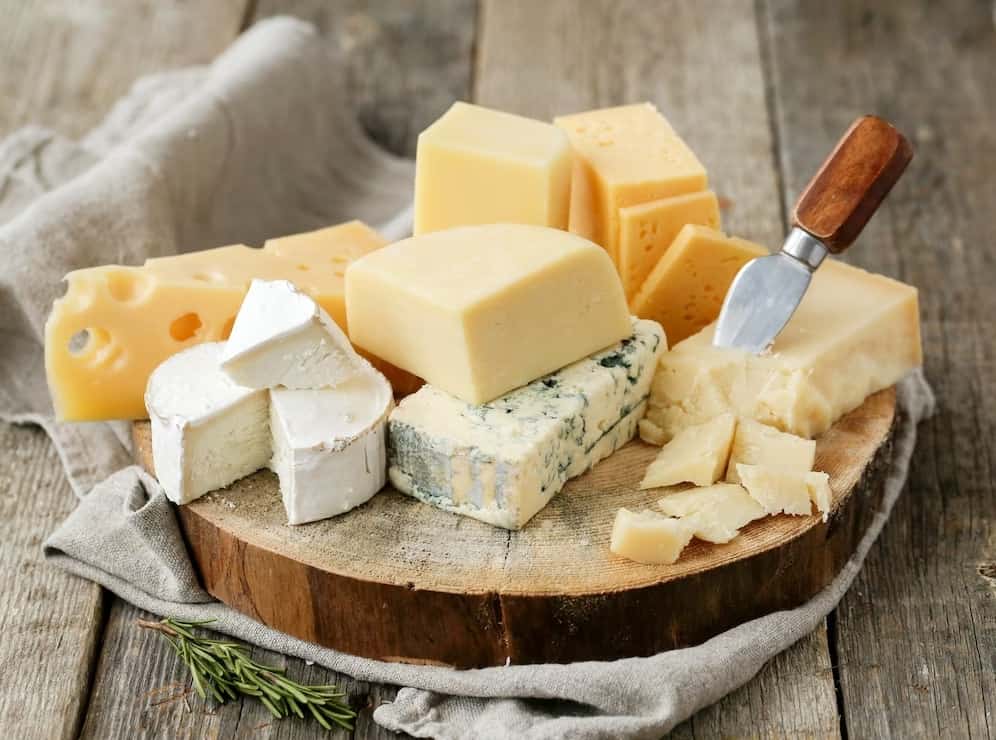
Cheese is one of the most popular dairy foods enjoyed around the world. From cheddar and mozzarella to feta and parmesan, cheese comes in hundreds of varieties, each offering its own unique flavor, texture, and nutritional profile.
Although cheese is sometimes criticized for its fat and calorie content, research suggests that when consumed in moderation, cheese can be part of a balanced and nutritious diet. It provides high-quality protein, calcium, vitamins, and other essential nutrients that support overall health.
In this comprehensive guide, we’ll explore the nutritional value of cheese, its potential health benefits, different types of cheese, and how to enjoy it as part of a healthy lifestyle.
What Is Cheese?
Cheese is a dairy product made by coagulating milk proteins, primarily casein, from the milk of cows, goats, sheep, or other mammals.
The cheese-making process typically involves:
- Milk fermentation
- Coagulation
- Curd separation
- Aging or ripening
Different production methods create the wide variety of cheeses available today.
Nutritional Value of Cheese
Cheese is considered a nutrient-dense food because it provides a significant amount of nutrients in a relatively small serving.
Key Nutrients Found in Cheese
- Protein
- Calcium
- Phosphorus
- Vitamin B12
- Vitamin A
- Riboflavin (Vitamin B2)
- Zinc
- Selenium
- Potassium
The exact nutritional content varies depending on the type of cheese.
1. Excellent Source of High-Quality Protein
Protein is essential for numerous bodily functions.
Benefits of Protein
Protein supports:
- Muscle growth
- Tissue repair
- Immune function
- Hormone production
- Enzyme activity
Cheese contains complete protein, meaning it provides all the essential amino acids the body needs.
For vegetarians who consume dairy products, cheese can be an important source of protein.
2. Supports Strong Bones and Teeth
One of the most recognized benefits of cheese is its contribution to bone health.
Rich in Calcium
Calcium is necessary for:
- Bone strength
- Tooth health
- Muscle contractions
- Nerve signaling
Contains Phosphorus
Phosphorus works alongside calcium to support healthy bones and teeth.
Vitamin K and Bone Health
Certain cheeses also contain vitamin K2, which may contribute to bone metabolism and calcium regulation.
3. May Support Dental Health
Cheese has traditionally been associated with oral health benefits.
How Cheese Supports Teeth
Cheese may help:
- Stimulate saliva production
- Reduce acidity in the mouth
- Provide calcium and phosphorus for enamel support
These factors may contribute to maintaining healthy teeth as part of good oral hygiene practices.
4. Supports Muscle Maintenance
As people age, maintaining muscle mass becomes increasingly important.
The high-quality protein found in cheese can help support:
- Muscle recovery
- Lean muscle maintenance
- Physical performance
Athletes and active individuals often include cheese as part of a balanced protein intake strategy.
5. May Support Gut Health
Certain cheeses contain beneficial bacteria that result from the fermentation process.
Examples of Fermented Cheeses
- Gouda
- Cheddar
- Swiss cheese
- Parmesan
Some fermented dairy products may help support a healthy gut microbiome.
However, probiotic content varies significantly between cheese types and manufacturing methods.
6. Provides Important Vitamins and Minerals
Cheese offers a wide range of nutrients that contribute to overall health.
Vitamin B12
Vitamin B12 supports:
- Red blood cell production
- Nervous system health
- Energy metabolism
Zinc
Zinc contributes to:
- Immune function
- Wound healing
- Cell growth
Vitamin A
Vitamin A supports:
- Vision health
- Immune function
- Skin health
7. May Support Heart Health When Consumed in Moderation
Cheese contains saturated fat, which has historically raised concerns regarding heart health.
However, current research suggests that the relationship between dairy foods and cardiovascular health is more complex than previously thought.
Potential Heart Health Benefits
Cheese provides:
- Calcium
- Potassium
- Bioactive compounds from fermentation
When consumed in moderation as part of a balanced diet, cheese can fit within heart-healthy eating patterns.
8. Supports Satiety and Weight Management
Cheese contains a combination of:
- Protein
- Fat
- Nutrients
This combination can help promote feelings of fullness.
Why Satiety Matters
Feeling satisfied after meals may help:
- Reduce excessive snacking
- Support portion control
- Encourage balanced eating habits
However, portion sizes remain important due to cheese’s calorie density.
9. May Support Mood and Brain Function
Cheese contains amino acids and vitamins involved in brain health.
Tryptophan
Cheese contains tryptophan, an amino acid used in the production of serotonin, a neurotransmitter involved in mood regulation.
Vitamin B12
Vitamin B12 supports healthy neurological function and cognitive performance.
10. Convenient and Versatile Nutritional Food
One of cheese’s biggest advantages is its versatility.
Easy Ways to Include Cheese in a Healthy Diet
- Add to salads
- Use in omelets
- Pair with fruit
- Include in sandwiches
- Sprinkle over vegetables
- Add to whole-grain wraps
Choosing nutrient-rich meals that include moderate amounts of cheese can help enhance both flavor and nutrition.
Different Types of Cheese
Cheddar Cheese
Rich flavor and excellent source of calcium and protein.
Mozzarella
Typically lower in sodium and calories compared to some aged cheeses.
Cottage Cheese
High in protein and often favored by fitness enthusiasts.
Feta Cheese
Popular in Mediterranean diets and often lower in calories than many hard cheeses.
Parmesan
A flavorful aged cheese rich in calcium and protein.
Can Cheese Be Part of a Healthy Diet?
Yes.
Cheese can absolutely be part of a balanced diet when consumed mindfully.
Healthy Tips
- Watch portion sizes
- Choose minimally processed varieties
- Pair with vegetables and whole foods
- Balance overall saturated fat intake
- Include a variety of nutrient-rich foods
Potential Drawbacks of Cheese
Although cheese offers many benefits, some considerations are important.
High Sodium Content
Some cheeses contain significant amounts of sodium.
Saturated Fat
Certain varieties contain higher levels of saturated fat.
Lactose Intolerance
Individuals with lactose intolerance may need to choose lower-lactose cheeses or dairy alternatives.
Dairy Allergies
People with dairy allergies should avoid cheese and seek suitable alternatives.
Final Thoughts
Cheese is much more than a flavorful food. It provides high-quality protein, calcium, phosphorus, vitamins, and minerals that support bone health, muscle maintenance, dental health, and overall wellness.
While moderation is important, cheese can be a valuable part of a balanced diet when paired with other nutrient-rich foods. By choosing quality varieties and enjoying appropriate portions, you can benefit from the nutritional advantages that cheese has to offer.
Frequently Asked Questions (FAQs)
1. Is cheese healthy?
Yes. Cheese contains protein, calcium, vitamins, and minerals that can support overall health when consumed in moderation.
2. What are the health benefits of cheese?
Cheese may support bone health, muscle maintenance, dental health, satiety, and overall nutrition.
3. Is cheese a good source of protein?
Yes. Cheese contains complete protein, which provides all essential amino acids.
4. Does cheese strengthen bones?
Cheese is rich in calcium and phosphorus, two nutrients important for maintaining strong bones and teeth.
5. Can cheese be part of a weight-loss diet?
Yes. Moderate portions of cheese can fit into a calorie-controlled diet due to its protein content and ability to promote satiety.
6. Which cheese is healthiest?
The healthiest choice depends on individual dietary needs. Cottage cheese, mozzarella, feta, and certain fermented cheeses are often considered nutrient-rich options.
7. Is cheese good for gut health?
Some fermented cheeses contain beneficial bacteria that may support a healthy gut microbiome.
8. Can lactose-intolerant individuals eat cheese?
Some aged cheeses contain very little lactose and may be tolerated by certain individuals. Tolerance varies from person to person.
9. Is cheese high in calcium?
Yes. Cheese is one of the richest dietary sources of calcium.
10. How much cheese should I eat daily?
Portion needs vary depending on age, activity level, and overall dietary pattern. Moderation is generally recommended as part of a balanced diet.

Hi, I’m Amrita Pandey. I specialize in writing about health, pregnancy, yoga, natural remedies, beverages, fruits, and vegetables. I enjoy creating clear, well-researched content that helps readers make informed decisions and build healthier everyday habits.