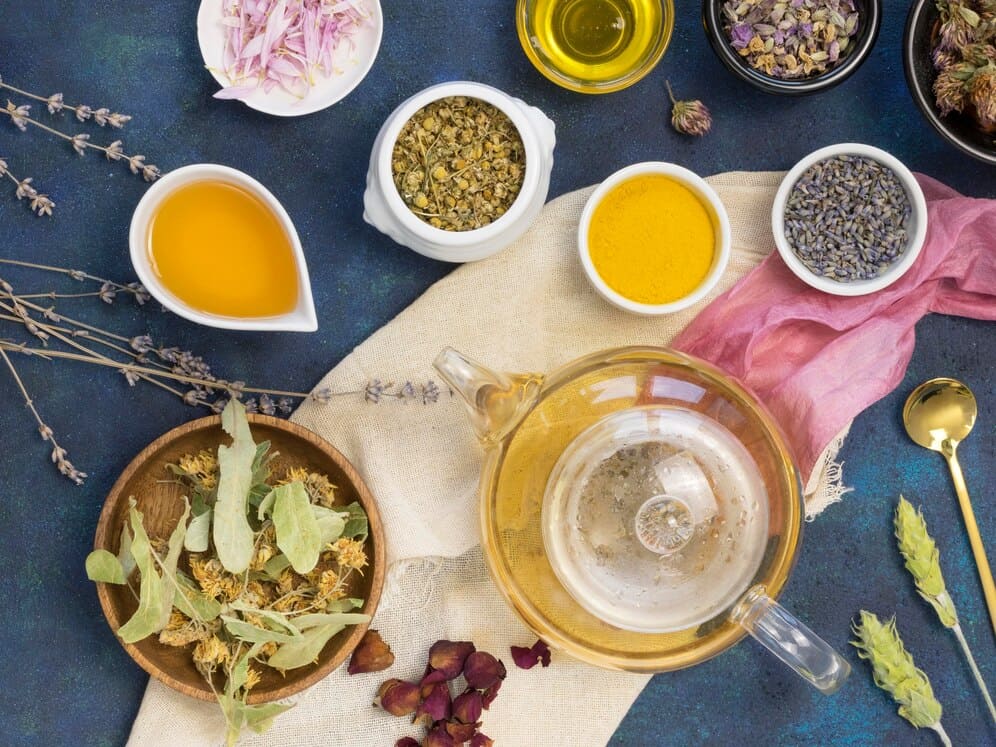
The postpartum period brings significant physical, emotional, and hormonal changes. Along with adequate nutrition, rest, hydration, and medical care, some mothers explore traditional wellness practices such as Ayurveda to support recovery after childbirth.
Ayurveda, a traditional system of wellness that originated in India thousands of years ago, uses dietary practices, herbs, lifestyle recommendations, and other techniques to promote overall well-being.
Some Ayurvedic herbs are traditionally used to support postpartum recovery and breastfeeding. However, it’s important to remember that herbal remedies should complement—not replace—professional medical care.
What Is Ayurveda?
Ayurveda focuses on maintaining balance within the body through nutrition, lifestyle habits, herbal preparations, and mind-body practices.
In traditional Ayurvedic practice, health recommendations are often individualized based on a person’s constitution, lifestyle, and overall health.
Can Ayurvedic Herbs Support Postpartum Recovery?
Some herbs have traditionally been used to support:
- General postpartum wellness
- Nutritional support
- Breastfeeding
- Stress management
- Energy levels
Scientific evidence varies, and more research is needed to confirm many of these traditional uses.
Always consult your healthcare provider before taking herbal supplements while breastfeeding.
1. Shatavari
Shatavari is one of the most commonly used herbs in Ayurvedic women’s health.
Traditional Uses
Traditionally, Shatavari has been used to support:
- Female reproductive health
- General vitality
- Postpartum recovery
- Breastfeeding support
Potential Benefits
Some preliminary studies suggest Shatavari may have properties that support lactation and overall wellness, but more high-quality research is needed.
Important Note
Breastfeeding mothers should discuss any herbal supplements with their healthcare provider before use.
2. Turmeric
Turmeric is widely recognized for its antioxidant and anti-inflammatory properties.
Potential Benefits
Turmeric may help support:
- Overall wellness
- Healthy inflammatory responses
- Recovery as part of a balanced diet
Common Ways to Consume Turmeric
- Curries
- Soups
- Herbal teas
- Golden milk
- Smoothies
Safety Considerations
Dietary amounts of turmeric are generally considered safe for most people, but concentrated supplements may not be appropriate for everyone.
3. Fennel
Fennel has been traditionally used in various cultures to support digestion and breastfeeding.
Nutritional Benefits
Fennel contains:
- Fiber
- Potassium
- Vitamin C
- Antioxidant compounds
Traditional Postpartum Uses
Some breastfeeding mothers use fennel as a traditional galactagogue (a substance believed to support milk production).
However, scientific evidence remains limited, and responses may vary from person to person.
Evidence-Based Ways to Support Breastfeeding
While some herbs are traditionally used to support milk supply, experts generally recommend focusing on:
- Frequent breastfeeding or pumping
- Proper latch techniques
- Adequate hydration
- Balanced nutrition
- Sufficient rest
- Lactation consultant support when needed
If you are concerned about milk supply, consult a qualified healthcare provider or lactation consultant.
Supporting Emotional Wellness After Childbirth
The postpartum period can be emotionally challenging.
Healthy ways to support emotional well-being include:
- Getting adequate rest
- Seeking help from family and friends
- Practicing gentle physical activity (if approved by your healthcare provider)
- Joining support groups
- Speaking with a mental health professional if needed
Important
Postpartum depression is a serious medical condition that requires professional evaluation and treatment. Herbs should not be used as a substitute for medical care.
Safety Tips for Postpartum Herbal Use
Before taking any herbal supplement:
- Consult your healthcare provider.
- Inform your doctor if you are breastfeeding.
- Use products from reputable manufacturers.
- Follow recommended dosages.
- Stop use if you experience side effects.
Natural products can still interact with medications or affect certain medical conditions.
Final Thoughts
Shatavari, turmeric, and fennel have long histories of use in Ayurvedic traditions and may play a supportive role in postpartum wellness. However, research is still evolving, and herbal remedies should be used thoughtfully and under professional guidance.
The foundation of postpartum recovery remains proper nutrition, hydration, rest, emotional support, and regular medical care.
Medical Disclaimer
This article is for educational purposes only and should not be considered medical advice. Consult your healthcare provider before using herbal supplements during pregnancy or breastfeeding.
FAQs
1. What are the best Ayurvedic herbs for postpartum recovery?
Shatavari, turmeric, and fennel are commonly used in traditional Ayurvedic practices to support postpartum wellness.
2. Can Shatavari increase breast milk supply?
Some studies suggest Shatavari may support lactation, but more research is needed to confirm its effectiveness.
3. Is turmeric safe while breastfeeding?
Dietary amounts of turmeric are generally considered safe for most people, but supplements should be discussed with a healthcare provider.
4. Can fennel help with breastfeeding?
Fennel has traditionally been used as a galactagogue, although scientific evidence remains limited.
5. Are Ayurvedic herbs safe for new mothers?
Safety depends on the herb, dosage, and individual health circumstances. Always consult a healthcare professional before use.
6. Can herbs treat postpartum depression?
No. Postpartum depression is a medical condition that requires professional evaluation and treatment.
7. What naturally supports breast milk production?
Frequent breastfeeding, proper latch, hydration, nutrition, and lactation support are among the most evidence-based approaches.
8. When should I seek help for postpartum emotional changes?
If symptoms of sadness, anxiety, hopelessness, or emotional distress persist or worsen, contact a healthcare professional.
9. Can Ayurveda replace postpartum medical care?
No. Ayurvedic practices may complement wellness routines but should not replace medical advice or treatment.
10. How long does postpartum recovery take?
Recovery varies by individual, but physical and emotional adjustments often continue for several weeks or months after childbirth.

Hi, I’m Amrita Pandey. I specialize in writing about health, pregnancy, yoga, natural remedies, beverages, fruits, and vegetables. I enjoy creating clear, well-researched content that helps readers make informed decisions and build healthier everyday habits.