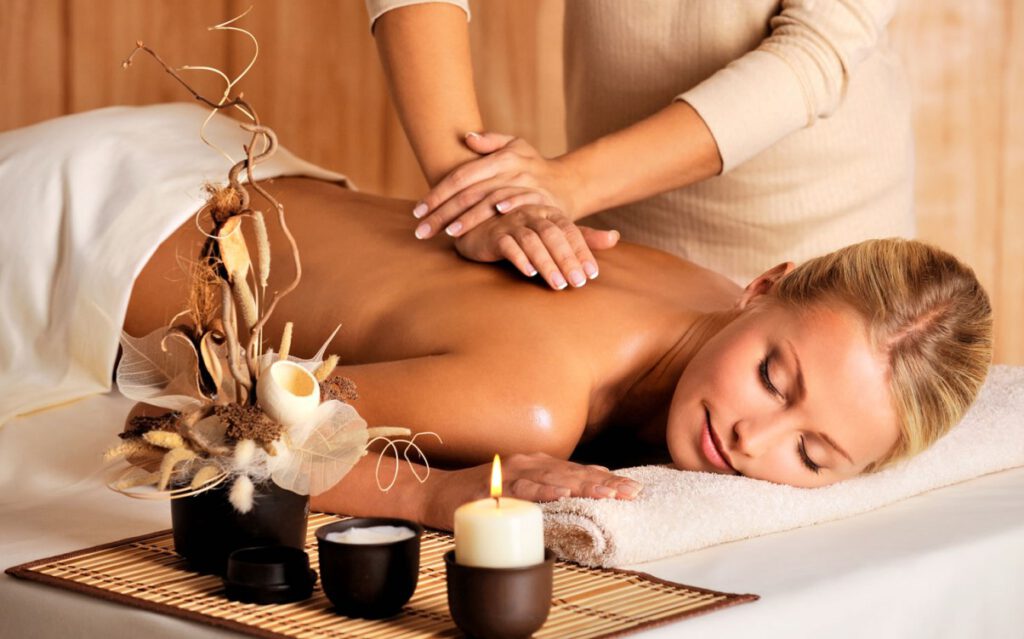
Massage therapy has long been used as a wellness practice to promote relaxation and relieve physical tension. Beyond its physical benefits, massage may also support emotional well-being by helping reduce stress, encouraging relaxation, and improving overall quality of life.
While massage therapy is not a replacement for professional mental health treatment, many people find it to be a valuable addition to a healthy self-care routine.
How Massage Therapy May Support Mental Well-Being
Human touch plays an important role in emotional health. Positive physical contact may contribute to feelings of comfort, connection, and relaxation. Research suggests that massage therapy can help reduce stress and support mental wellness when used alongside healthy lifestyle habits.
1. Helps Reduce Stress
One of the most commonly reported benefits of massage therapy is stress reduction.
During a massage session, many people experience:
- Reduced muscle tension
- A sense of calm
- Improved relaxation
- Temporary relief from everyday stress
Lower stress levels may contribute to better emotional balance and overall well-being.
Why It Matters
Chronic stress can affect both mental and physical health. Incorporating relaxation techniques such as massage may help individuals better manage daily stressors.
2. May Improve Sleep Quality
Quality sleep is essential for emotional and physical health.
Many people report feeling deeply relaxed after a massage, which may make it easier to fall asleep and enjoy more restful sleep.
Massage may help by:
- Promoting relaxation
- Reducing physical tension
- Creating a calming environment
- Supporting bedtime routines
Tip
Combining massage with good sleep habits, such as limiting screen time before bed, may further improve sleep quality.
3. Helps Ease Muscle Tension and Headaches
Tension in the neck, shoulders, and upper back can contribute to discomfort and tension-related headaches.
Massage therapy may help:
- Relax tight muscles
- Improve comfort
- Reduce muscle stiffness
- Support recovery after physical activity
Many individuals find that regular massage sessions help them feel more physically comfortable and relaxed.
4. Supports Relaxation and Emotional Well-Being
Massage therapy encourages individuals to slow down and focus on the present moment.
This dedicated time for self-care may:
- Promote mindfulness
- Encourage relaxation
- Improve mood
- Support emotional resilience
For some people, massage becomes an important part of maintaining a healthy work-life balance.
5. Increases Body Awareness
Massage can help individuals become more aware of physical sensations, posture, muscle tension, and areas of discomfort.
Improved body awareness may encourage:
- Better posture
- Stress recognition
- Relaxation techniques
- Healthier movement patterns
Being more connected to your body can help you recognize when it’s time to rest, stretch, or manage stress more effectively.
Can Massage Therapy Help With Mental Health?
Massage therapy may support mental wellness by promoting relaxation and reducing stress. However, it should not be viewed as a treatment or cure for mental health conditions such as depression, anxiety disorders, or schizophrenia.
Individuals experiencing persistent mental health symptoms should seek support from qualified healthcare professionals.
Who May Benefit From Massage Therapy?
Massage therapy may be helpful for:
- Busy professionals
- Athletes
- People experiencing muscle tension
- Individuals seeking stress relief
- Those looking to improve relaxation and sleep quality
Safety Considerations
Consult a healthcare provider before massage therapy if you have:
- Blood clotting disorders
- Severe osteoporosis
- Recent injuries
- Certain heart conditions
- Active infections
Always choose a qualified and licensed massage therapist.
Final Thoughts
Massage therapy can be a relaxing and enjoyable way to support overall well-being. While it is not a substitute for medical or mental health treatment, it may help reduce stress, improve relaxation, ease muscle tension, and promote better sleep when incorporated into a healthy lifestyle.
Wellness Disclaimer
This article is for informational purposes only and does not constitute medical advice. Massage therapy should not replace professional medical care, diagnosis, or treatment.
FAQs
1. What are the mental health benefits of massage therapy?
Massage therapy may help reduce stress, promote relaxation, improve mood, and support overall emotional well-being.
2. Can massage therapy reduce stress?
Yes. Many people report feeling calmer and more relaxed after a massage session.
3. Does massage help with sleep?
Massage may promote relaxation, which can contribute to improved sleep quality for some individuals.
4. Can massage therapy treat depression or anxiety?
Massage therapy may support relaxation and emotional well-being, but it should not replace professional treatment for mental health conditions.
5. How often should I get a massage?
The ideal frequency varies depending on personal needs, lifestyle, and wellness goals.
6. Does massage improve circulation?
Massage may temporarily increase local blood flow and help relax muscles.
7. Can massage help with headaches?
Some individuals find massage helpful for relieving tension-related headaches caused by muscle tightness.
8. What type of massage is best for relaxation?
Popular options include Swedish massage, aromatherapy massage, and relaxation-focused therapeutic massage.
9. Is massage therapy safe for everyone?
Most healthy individuals can safely enjoy massage therapy, but certain medical conditions may require professional guidance.
10. Can massage therapy improve overall well-being?
Many people use massage therapy as part of a wellness routine to support relaxation, stress management, and self-care.

Hi, I’m Amrita Pandey. I specialize in writing about health, pregnancy, yoga, natural remedies, beverages, fruits, and vegetables. I enjoy creating clear, well-researched content that helps readers make informed decisions and build healthier everyday habits.