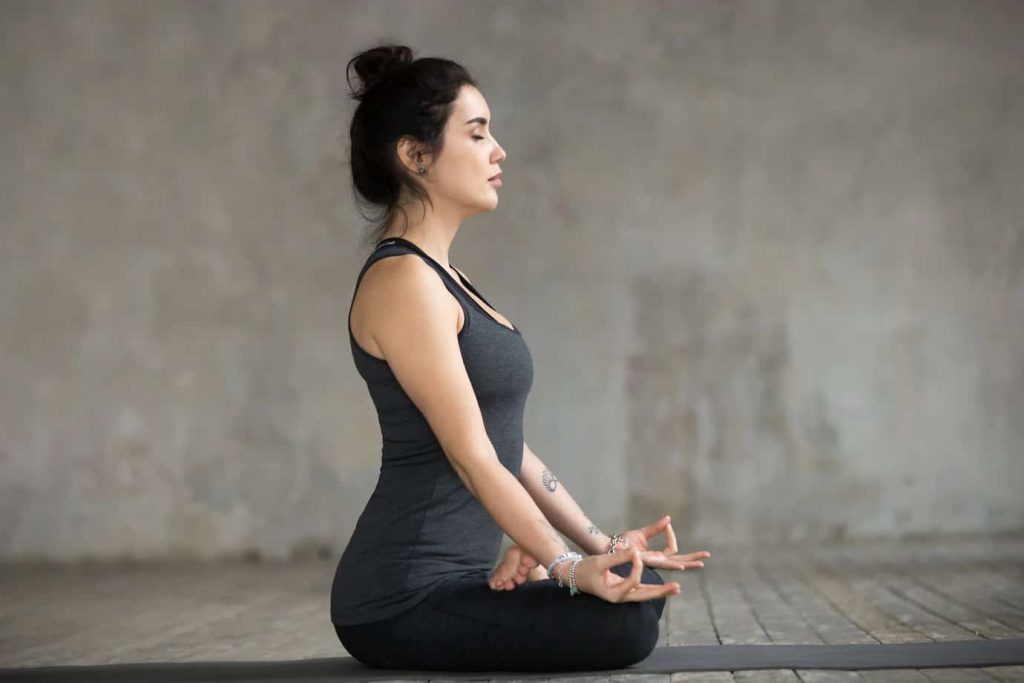
When many people think about yoga, they often imagine stretching exercises performed on a mat. While flexibility is certainly one benefit of yoga, it represents only a small part of what this ancient practice has to offer.
Yoga is a holistic discipline that combines physical postures (asanas), controlled breathing techniques (pranayama), mindfulness, and meditation. Together, these elements help improve physical health, mental well-being, emotional balance, and overall quality of life.
Whether you are looking to improve flexibility, reduce stress, increase strength, or deepen your connection with yourself, yoga offers benefits that extend far beyond the yoga studio.
What Makes Yoga Different from Other Forms of Exercise?
Unlike many traditional workouts that focus solely on physical fitness, yoga integrates the body, mind, and breath.
Each yoga posture involves:
- Controlled movement
- Conscious breathing
- Mental focus
- Physical awareness
This unique combination allows practitioners to develop strength, flexibility, balance, and mindfulness simultaneously.
Rather than simply exercising the body, yoga encourages a deeper awareness of how the body and mind work together.
Yoga Improves Flexibility and Mobility
One of the most widely recognized benefits of yoga is increased flexibility.
Many people spend hours sitting at desks, driving, or using electronic devices, which can lead to muscle tightness and reduced mobility. Regular yoga practice helps lengthen muscles, improve joint movement, and increase overall flexibility.
Benefits of Improved Flexibility
- Better posture
- Reduced muscle stiffness
- Improved athletic performance
- Greater ease of movement
- Reduced risk of movement-related injuries
Popular poses such as Downward Facing Dog, Warrior Pose, and Forward Fold can gradually improve flexibility when practiced consistently.
Yoga Helps Build Strength
Contrary to the misconception that yoga is only stretching, many yoga poses require significant muscular engagement.
Holding yoga postures involves isometric contractions, where muscles work without changing length.
Yoga Strengthens:
- Core muscles
- Legs
- Glutes
- Back
- Shoulders
- Arms
Styles such as Vinyasa, Power Yoga, and Ashtanga Yoga can provide a challenging full-body workout while improving muscular endurance and stability.
Enhances Balance and Coordination
Balance naturally declines with age, making it important to develop and maintain stability throughout life.
Many yoga poses challenge the body’s balance systems and improve neuromuscular coordination.
Examples of Balance Poses
- Tree Pose
- Eagle Pose
- Warrior III
- Half Moon Pose
Improved balance can help:
- Reduce fall risk
- Improve athletic performance
- Enhance body awareness
- Strengthen stabilizing muscles
Supports Mindful Eating Habits
Yoga encourages mindfulness—the practice of paying attention to the present moment without judgment.
This increased awareness often extends beyond the yoga mat and into daily habits, including eating behaviors.
How Yoga Encourages Mindful Eating
Regular practitioners often become more aware of:
- Hunger signals
- Fullness cues
- Emotional eating patterns
- Food choices
This awareness may support healthier dietary habits and a more balanced relationship with food.
Promotes Heart Health
Research suggests that yoga may support cardiovascular wellness when practiced regularly.
The combination of movement, breathing exercises, and stress reduction techniques can contribute to overall heart health.
Potential Cardiovascular Benefits
- Supports healthy blood pressure levels
- Improves circulation
- Helps manage stress
- Encourages physical activity
- Supports overall cardiovascular function
Yoga should not replace medical treatment but can be a valuable component of a healthy lifestyle.
Increases Energy and Vitality
Many people are surprised by how energized they feel after a yoga session.
Rather than leaving you exhausted, yoga often creates a sense of physical and mental rejuvenation.
Morning Yoga Practices
Techniques such as:
- Surya Namaskar (Sun Salutations)
- Kapalabhati Pranayama
- Dynamic Vinyasa Flows
can help awaken the body and prepare you for the day ahead.
Evening Yoga Practices
Gentle stretching and restorative poses can help calm the nervous system and promote relaxation.
Improves Breathing and Lung Function
Breathing is a central component of yoga practice.
Pranayama techniques teach practitioners how to control and optimize their breathing patterns.
Benefits of Yogic Breathing
- Improved oxygen utilization
- Enhanced lung capacity
- Better stress management
- Increased mental clarity
- Improved relaxation response
By becoming more aware of the breath, practitioners often experience improved focus and emotional balance.
Helps Reduce Stress and Anxiety
One of the most powerful benefits of yoga is its ability to calm the mind.
Modern life often exposes people to constant stress, which can negatively affect both physical and mental health.
Yoga helps activate the body’s relaxation response through:
- Deep breathing
- Mindfulness
- Meditation
- Gentle movement
Benefits for Mental Well-Being
- Reduced stress levels
- Improved emotional resilience
- Enhanced self-awareness
- Greater sense of calm
- Improved mood
Many practitioners report feeling more balanced and centered after regular yoga sessions.
May Help Relieve Back Pain
Back pain is one of the most common health complaints worldwide.
Poor posture, prolonged sitting, weak core muscles, and muscle tightness often contribute to discomfort.
Yoga can help improve:
- Spinal mobility
- Core strength
- Postural alignment
- Muscle flexibility
Certain yoga practices may help reduce chronic lower back discomfort and improve overall spinal health when performed correctly.
Supports Better Sleep Quality
Sleep plays a critical role in physical recovery, mental performance, and overall health.
Yoga helps prepare the body and mind for restful sleep by reducing stress and promoting relaxation.
Yoga and Sleep Benefits
Regular practice may help:
- Improve sleep quality
- Reduce nighttime restlessness
- Promote relaxation
- Support healthier sleep patterns
Gentle evening yoga routines are particularly beneficial for winding down before bedtime.
Yoga Is Suitable for All Ages
One of yoga’s greatest strengths is its adaptability.
Yoga can be modified to accommodate:
- Children
- Teenagers
- Adults
- Seniors
- Beginners
- Advanced practitioners
Regardless of age or fitness level, there is a yoga style that can meet individual needs and goals.
Why Learn Yoga in Rishikesh?
For those who wish to deepen their understanding of yoga, Rishikesh offers a unique learning experience.
Known as the Yoga Capital of the World, Rishikesh attracts students from across the globe who seek authentic yoga education, spiritual growth, and personal transformation.
A Yoga Teacher Training Course in Rishikesh typically includes:
- Asana practice
- Pranayama
- Meditation
- Yoga philosophy
- Anatomy and physiology
- Teaching methodology
Studying yoga in the peaceful Himalayan environment allows students to fully immerse themselves in traditional yogic teachings.
Yoga Is a Lifelong Journey
Unlike many fitness programs that focus solely on short-term results, yoga is a lifelong practice that evolves with you.
Each stage of life presents different physical and mental challenges, and yoga provides tools to navigate them with greater awareness and balance.
Whether your goal is improved fitness, stress relief, personal growth, or professional teacher training, yoga offers a path that can support your well-being for years to come.
Final Thoughts
Yoga is much more than stretching. It is a comprehensive practice that strengthens the body, calms the mind, improves flexibility, enhances balance, supports heart health, and promotes overall well-being.
The beauty of yoga lies in its accessibility and adaptability. No matter your age, experience level, or fitness background, yoga offers something valuable for everyone.
By incorporating yoga into your daily routine, you can develop healthier habits, greater self-awareness, and a deeper connection to both your body and mind.
Frequently Asked Questions (FAQs)
1. Is yoga only for improving flexibility?
No. Yoga also helps build strength, improve balance, support mental well-being, enhance breathing, and promote overall health.
2. Can beginners practice yoga?
Absolutely. Many yoga styles and classes are designed specifically for beginners and can be adapted to different fitness levels.
3. How often should I practice yoga?
Practicing yoga 2–5 times per week can provide noticeable benefits, although even shorter daily sessions can be valuable.
4. Can yoga help reduce stress?
Yes. Yoga incorporates breathing techniques, mindfulness, and movement that can help lower stress and promote relaxation.
5. Does yoga improve posture?
Regular yoga practice strengthens core and back muscles while improving flexibility, which can contribute to better posture.
6. Can yoga help with back pain?
For many people, yoga may help improve flexibility, strengthen supporting muscles, and reduce certain types of back discomfort when practiced safely.
7. Is yoga suitable for older adults?
Yes. Many forms of yoga can be modified to suit older adults and individuals with varying physical abilities.
8. Why do people choose yoga teacher training in Rishikesh?
Rishikesh offers authentic yoga teachings, experienced instructors, a peaceful Himalayan environment, and a rich yogic tradition that attracts students from around the world.

Hi, I’m Amrita Pandey. I specialize in writing about health, pregnancy, yoga, natural remedies, beverages, fruits, and vegetables. I enjoy creating clear, well-researched content that helps readers make informed decisions and build healthier everyday habits.