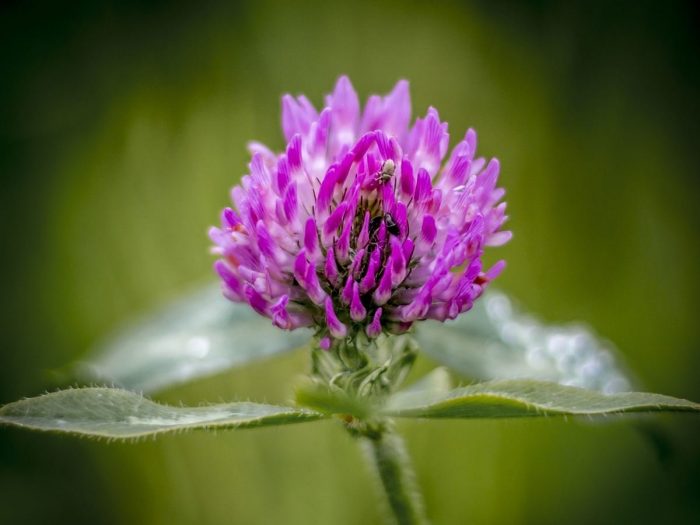
Red clover (Trifolium pratense) is a flowering plant that belongs to the legume family, which also includes beans, peas, and soybeans. Native to Europe, Asia, and parts of Africa, red clover has been used for centuries in traditional herbal medicine to support women’s health, respiratory wellness, and skin conditions.
Today, red clover is commonly available as a dietary supplement, tea, extract, or topical preparation. Much of its popularity comes from its rich content of naturally occurring plant compounds known as isoflavones, which are classified as phytoestrogens—plant substances that can exert weak estrogen-like effects in the body.
While research on red clover continues, studies suggest it may offer benefits for menopause symptoms, bone health, heart health, and overall wellness. However, it’s important to understand both the potential benefits and limitations of current scientific evidence.
What Is Red Clover?
Red clover is a perennial herb recognized by its:
- Pinkish-red flowers
- Green trifoliate leaves
- Mild herbal flavor
The plant contains several beneficial compounds, including:
- Isoflavones
- Flavonoids
- Antioxidants
- Minerals
- Plant polyphenols
The primary isoflavones found in red clover include:
- Genistein
- Daidzein
- Biochanin A
- Formononetin
These compounds are largely responsible for red clover’s potential health effects.
Nutritional and Active Compounds in Red Clover
Red clover contains a variety of bioactive substances that contribute to its medicinal properties.
Key Compounds Include:
- Isoflavones (phytoestrogens)
- Flavonoids
- Phenolic compounds
- Antioxidants
These compounds may help support cellular health and protect against oxidative stress.
1. May Help Manage Menopause Symptoms
Natural Support for Hormonal Changes
One of the most researched uses of red clover is its potential role in easing menopause symptoms.
During menopause, declining estrogen levels can contribute to symptoms such as:
- Hot flashes
- Night sweats
- Mood changes
- Sleep disturbances
How Red Clover May Help
The phytoestrogens found in red clover may mimic some effects of estrogen in the body, potentially helping to reduce symptom severity.
What Research Shows
Some studies have reported modest improvements in:
- Frequency of hot flashes
- Menopausal discomfort
- Quality of life
However, research results remain mixed, and more large-scale studies are needed.
2. Supports Bone Health
Potential Protection Against Bone Loss
Estrogen plays an important role in maintaining bone density.
As estrogen levels decline after menopause, the risk of osteoporosis increases.
Red Clover and Bone Density
Researchers have investigated whether the isoflavones in red clover may help:
- Preserve bone mineral density
- Slow age-related bone loss
- Support skeletal health
While evidence is promising, red clover should not replace established osteoporosis treatments or calcium and vitamin D intake.
3. May Support Heart Health
Cardiovascular Benefits
Heart disease risk often increases after menopause, making cardiovascular health a major concern for many women.
Some studies suggest that red clover may help support:
- Healthy cholesterol levels
- Blood vessel function
- Circulatory health
Cholesterol Support
Research indicates that red clover isoflavones may contribute to:
- Increased HDL (“good”) cholesterol
- Improved cholesterol balance
However, findings have been inconsistent, and further research is needed.
Antioxidant Protection
The antioxidant compounds found in red clover may help protect blood vessels from oxidative stress.
4. Rich in Antioxidants
Fighting Oxidative Stress
Red clover contains antioxidants that help neutralize free radicals.
Oxidative stress has been linked to:
- Premature aging
- Heart disease
- Chronic inflammation
- Certain cancers
Regular consumption of antioxidant-rich foods and herbs may contribute to overall health and wellness.
5. Potential Benefits for Skin Health
Traditional Use for Skin Conditions
Historically, red clover has been used in topical preparations to support skin health.
Some people use red clover creams or extracts for:
- Eczema
- Psoriasis
- Skin irritation
- Mild rashes
What the Research Says
Limited research suggests that red clover’s anti-inflammatory and antioxidant properties may help support skin health, but stronger clinical evidence is needed.
Individuals with persistent skin conditions should seek medical evaluation rather than relying solely on herbal remedies.
6. May Support Respiratory Wellness
Traditional Respiratory Uses
In traditional herbal medicine, red clover has been used to support respiratory comfort.
It has historically been used for:
- Coughs
- Bronchitis
- Mild respiratory irritation
Scientific Evidence
While traditional use is widespread, there is currently limited high-quality scientific evidence supporting red clover as a treatment for respiratory diseases.
More research is needed before firm conclusions can be drawn.
7. Potential Role in Cancer Research
Understanding the Evidence
Red clover contains isoflavones that have attracted interest in cancer research.
Laboratory studies have suggested that these compounds may influence:
- Cell growth
- Oxidative stress
- Inflammation
Important Caution
The relationship between phytoestrogens and cancer is complex.
While some studies suggest potential protective effects, phytoestrogens may also interact with hormone-sensitive tissues.
For this reason:
- Individuals with breast cancer
- Those with hormone-sensitive cancers
- People undergoing cancer treatment
should consult their healthcare provider before using red clover supplements.
At present, there is insufficient evidence to recommend red clover for cancer prevention or treatment.
Potential Side Effects of Red Clover
Red clover is generally well tolerated by many healthy adults when used appropriately.
Possible side effects may include:
- Headache
- Nausea
- Muscle aches
- Mild digestive discomfort
- Skin reactions
Most side effects are relatively uncommon.
Who Should Avoid Red Clover?
Because of its phytoestrogen content, certain individuals should use caution.
Consult a healthcare professional before using red clover if you:
- Are pregnant or breastfeeding
- Have a history of breast cancer
- Have hormone-sensitive conditions
- Take blood-thinning medications
- Are preparing for surgery
- Take hormonal therapies
Red clover may interact with certain medications and health conditions.
How to Use Red Clover
Red clover is available in several forms:
Tea
Traditionally brewed from dried flowers.
Capsules and Supplements
Provide standardized isoflavone content.
Liquid Extracts
Often used in herbal medicine practices.
Topical Creams
Used for certain skin-related applications.
Always follow dosage recommendations provided by the manufacturer or your healthcare professional.
Frequently Asked Questions (FAQ)
What is red clover used for?
Red clover is commonly used to support menopause symptoms, bone health, heart health, and overall wellness.
What are isoflavones?
Isoflavones are plant compounds that have weak estrogen-like effects in the body and are believed to contribute to many of red clover’s potential benefits.
Can red clover help with menopause?
Some research suggests red clover may help reduce hot flashes and other menopausal symptoms, although results vary.
Is red clover good for bones?
The isoflavones in red clover may help support bone density, particularly in postmenopausal women.
Can red clover lower cholesterol?
Some studies suggest red clover may improve cholesterol profiles, but evidence remains mixed.
Is red clover safe for breast cancer patients?
Because red clover contains phytoestrogens, individuals with breast cancer or hormone-sensitive conditions should consult their healthcare provider before use.
Does red clover improve skin health?
Traditional use and limited research suggest red clover may support skin health, but more studies are needed.
Can red clover help with coughs?
Red clover has traditionally been used for respiratory support, but scientific evidence remains limited.
What are the side effects of red clover?
Possible side effects include headache, nausea, muscle aches, and digestive discomfort.
Can I take red clover every day?
Many supplements are designed for daily use, but long-term supplementation should be discussed with a healthcare professional.
Conclusion
Red clover is a traditional herbal remedy that continues to attract scientific interest for its potential role in supporting menopause symptoms, bone health, cardiovascular wellness, and overall health. Its primary active compounds, isoflavones, may offer benefits through their antioxidant and mild estrogen-like effects.
While current research is encouraging in some areas, evidence remains mixed for many of the claims associated with red clover. As a result, it should be viewed as a complementary wellness option rather than a substitute for medical treatment.
If you’re considering red clover supplements, especially for hormonal or menopause-related concerns, it’s wise to consult a qualified healthcare provider to determine whether it’s appropriate for your individual health needs.

Hi, I’m Amrita Pandey. I specialize in writing about health, pregnancy, yoga, natural remedies, beverages, fruits, and vegetables. I enjoy creating clear, well-researched content that helps readers make informed decisions and build healthier everyday habits.