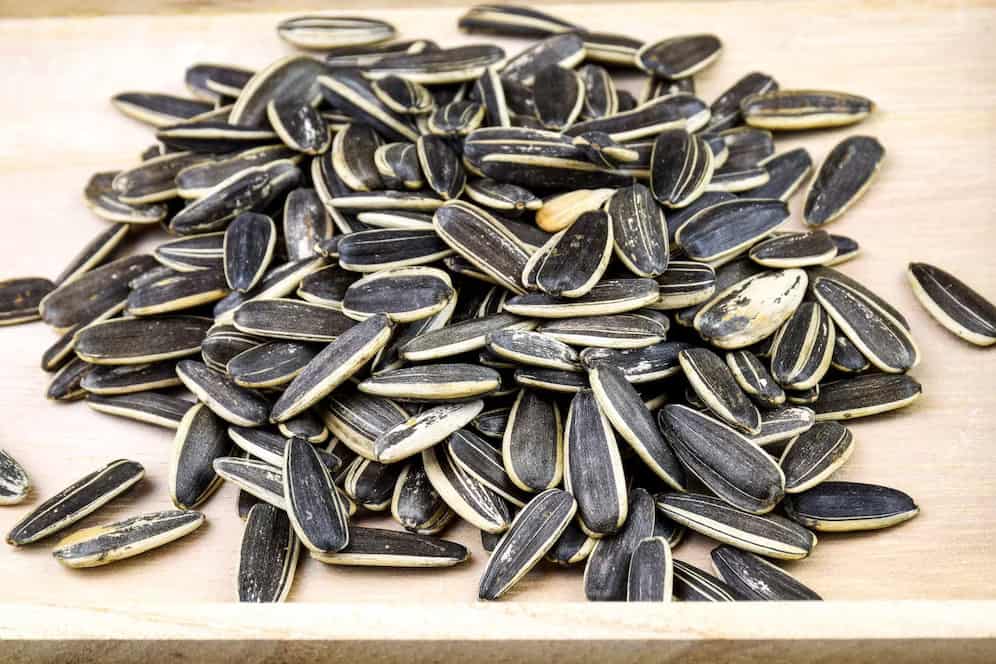
Sunflower seeds are small but incredibly nutritious seeds harvested from the large flower heads of the sunflower plant (Helianthus annuus). Known for their mild nutty flavor and satisfying crunch, sunflower seeds are enjoyed worldwide as a healthy snack and ingredient in a variety of dishes.
Originally cultivated by Native American communities more than 5,000 years ago, sunflower plants eventually spread across Europe and other parts of the world. Today, countries such as Russia, Argentina, China, Ukraine, Spain, and France are among the leading producers of sunflower seeds.
Despite their small size, sunflower seeds are packed with vitamins, minerals, healthy fats, antioxidants, and plant compounds that support overall health and wellness.
Nutritional Value of Sunflower Seeds
Sunflower seeds are rich in several essential nutrients, including:
- Vitamin E
- Selenium
- Magnesium
- Copper
- Phosphorus
- Zinc
- Vitamin B6
- Folate
- Protein
- Dietary fiber
- Healthy unsaturated fats
These nutrients contribute to many of the health benefits associated with sunflower seed consumption.
Top Health Benefits of Sunflower Seeds
1. Supports Heart Health
Sunflower seeds contain heart-friendly nutrients such as:
- Vitamin E
- Magnesium
- Fiber
- Healthy unsaturated fats
These nutrients may help support cardiovascular health by promoting healthy cholesterol levels and supporting normal blood vessel function as part of a balanced diet.
Replacing processed snacks with nutrient-rich seeds can contribute to a heart-healthy eating pattern.
2. Rich in Powerful Antioxidants
One of the standout nutrients in sunflower seeds is vitamin E, a potent antioxidant.
Antioxidants help:
- Protect cells from oxidative stress
- Neutralize free radicals
- Support healthy aging
- Promote overall wellness
Vitamin E is particularly important because it helps protect cell membranes from damage caused by oxidative processes.
3. May Help Reduce Inflammation
Chronic inflammation is associated with various long-term health conditions.
The vitamin E, selenium, and plant compounds found in sunflower seeds may help support the body’s normal inflammatory response.
While sunflower seeds are not a treatment for inflammatory diseases, including antioxidant-rich foods in your diet may contribute to overall health.
4. Supports Bone Health
Sunflower seeds contain several minerals important for maintaining healthy bones, including:
- Magnesium
- Copper
- Phosphorus
Magnesium contributes to bone structure and helps regulate calcium balance in the body.
Copper plays a role in connective tissue formation and supports bone strength.
Together, these nutrients help maintain healthy bones and joints.
5. Supports Nervous System Function
Magnesium is essential for proper nerve signaling and muscle function.
Adequate magnesium intake may help:
- Support normal muscle contraction
- Promote relaxation
- Maintain healthy nerve function
- Support overall neurological health
Sunflower seeds are one of the many foods that can contribute to meeting daily magnesium requirements.
6. Supports Healthy Skin
Vitamin E is widely recognized for its role in skin health.
It helps:
- Protect skin cells from oxidative damage
- Support skin barrier function
- Promote healthy-looking skin
Because of these properties, vitamin E is commonly included in skincare products and is an important nutrient for maintaining healthy skin from within.
7. Provides Plant-Based Protein
Sunflower seeds contain a good amount of plant-based protein, making them a nutritious snack option.
Protein supports:
- Muscle maintenance
- Tissue repair
- Satiety
- Overall health
For vegetarians and individuals looking to diversify protein sources, sunflower seeds can be a valuable addition to meals and snacks.
8. May Support Immune Function
Sunflower seeds contain nutrients involved in immune system function, including:
- Vitamin E
- Selenium
- Zinc
These nutrients help support the body’s natural defense mechanisms and contribute to overall wellness.
9. Supports Digestive Health
The dietary fiber found in sunflower seeds supports digestive health by promoting regular bowel movements and helping maintain a healthy gut environment.
Including fiber-rich foods in your diet may help improve digestive comfort and support overall gastrointestinal health.
Are Sunflower Seeds Good for Weight Management?
Although sunflower seeds are calorie-dense, they provide protein, fiber, and healthy fats that help promote fullness.
When consumed in appropriate portions, they can be a satisfying snack that supports healthy eating habits and appetite control.
Portion awareness remains important because seeds are naturally high in calories.
Easy Ways to Add Sunflower Seeds to Your Diet
Sunflower seeds are versatile and easy to incorporate into meals.
Try them:
- As a healthy snack
- Sprinkled over salads
- Mixed into yogurt
- Added to oatmeal
- Blended into smoothies
- Used in homemade granola
- Added to baked goods
- Included in trail mixes
Both raw and roasted sunflower seeds can be enjoyed as part of a balanced diet.
Are There Any Side Effects?
Sunflower seeds are generally safe for most people when consumed in moderation.
However, a few considerations include:
Calorie Intake
Because sunflower seeds contain healthy fats, they are relatively calorie-dense.
Added Salt
Many packaged sunflower seeds contain added sodium. Choosing unsalted varieties can help reduce excess sodium intake.
Allergies
Although uncommon, some individuals may have sunflower seed allergies.
Final Thoughts
Sunflower seeds may be small, but they are packed with nutrients that support heart health, bone strength, skin health, immune function, and overall wellness. Rich in vitamin E, magnesium, selenium, protein, and healthy fats, these versatile seeds make an excellent addition to a balanced diet.
Whether eaten as a snack or incorporated into meals, sunflower seeds offer a convenient and delicious way to boost your nutrient intake and support long-term health.
Frequently Asked Questions (FAQs)
Are sunflower seeds healthy?
Yes. Sunflower seeds are rich in healthy fats, protein, fiber, vitamin E, magnesium, selenium, and other essential nutrients.
What are the main health benefits of sunflower seeds?
Sunflower seeds may support heart health, skin health, bone strength, immune function, digestive health, and overall wellness.
Are sunflower seeds good for heart health?
They contain healthy fats, vitamin E, magnesium, and fiber that contribute to a heart-healthy dietary pattern.
Can sunflower seeds help reduce inflammation?
The antioxidants and nutrients in sunflower seeds may help support the body’s normal inflammatory response.
Are sunflower seeds high in protein?
Yes. Sunflower seeds provide plant-based protein that supports muscle maintenance and satiety.
Can sunflower seeds help with weight loss?
They can support weight management by promoting fullness due to their protein, fiber, and healthy fat content. However, portion control is important.
Are sunflower seeds good for the skin?
Vitamin E found in sunflower seeds helps protect skin cells from oxidative stress and supports healthy skin.
How many sunflower seeds should I eat daily?
A small handful (about 1 ounce or 28 grams) is a commonly recommended serving size for most healthy adults.
Are roasted sunflower seeds healthy?
Yes, especially when lightly roasted and unsalted. However, heavily salted varieties may contribute excess sodium.
Can people with diabetes eat sunflower seeds?
Sunflower seeds can be included in a balanced diet for many people with diabetes because they provide healthy fats, fiber, and protein. Individual dietary needs may vary.

Hi, I’m Amrita Pandey. I specialize in writing about health, pregnancy, yoga, natural remedies, beverages, fruits, and vegetables. I enjoy creating clear, well-researched content that helps readers make informed decisions and build healthier everyday habits.