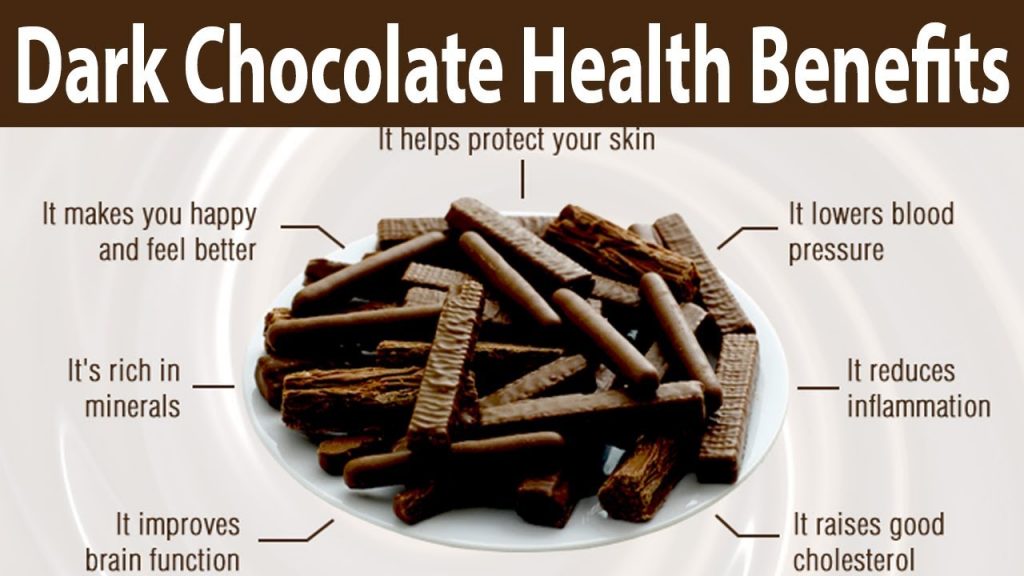
For many people, chocolate is one of life’s favorite indulgences. The good news is that dark chocolate can be more than just a delicious treat. When consumed in moderation, high-quality dark chocolate may offer several health benefits thanks to its rich concentration of antioxidants, minerals, and plant compounds.
Dark chocolate is made from cocoa beans, which contain naturally occurring flavonoids and other bioactive compounds that have been studied for their potential effects on heart health, brain function, and overall wellness.
While dark chocolate is not a miracle food, research suggests it can be part of a balanced and healthy diet when enjoyed responsibly.
What Makes Dark Chocolate Different?
Not all chocolate is created equal.
Dark chocolate generally contains a higher percentage of cocoa solids and less added sugar than milk chocolate. The higher the cocoa content, the greater the concentration of beneficial compounds such as:
- Flavanols
- Polyphenols
- Theobromine
- Magnesium
- Iron
- Copper
- Manganese
For the greatest nutritional benefits, many experts recommend choosing dark chocolate that contains at least 70% cocoa.
1. May Support Brain Function
The brain requires a constant supply of oxygen and nutrients to function efficiently.
Research suggests that cocoa flavanols may help support healthy blood flow, including circulation to the brain. Improved blood flow can contribute to better cognitive performance and mental alertness.
Potential Brain Health Benefits
- Improved concentration
- Enhanced focus
- Better mental performance
- Support for healthy aging
Some studies have also explored the relationship between cocoa consumption and cognitive function, although more research is still needed.
2. Contains Compounds That May Benefit Oral Health
Chocolate is often associated with cavities, but dark chocolate contains naturally occurring compounds that have attracted scientific interest.
One such compound is theobromine, which is found naturally in cocoa.
Potential Benefits of Theobromine
Research suggests that theobromine may help support enamel strength more effectively than some traditional fluoride alternatives in certain laboratory settings.
However, this does not mean dark chocolate should replace proper oral hygiene practices.
For healthy teeth, continue to:
- Brush twice daily
- Floss regularly
- Limit excess sugar intake
- Visit your dentist routinely
3. May Support Heart Health
One of the most widely studied benefits of dark chocolate is its potential impact on cardiovascular health.
The flavanols found in cocoa may help improve blood vessel function and support healthy circulation.
Potential Cardiovascular Benefits
- Supports healthy blood flow
- May help maintain normal blood pressure levels
- Supports blood vessel function
- Provides antioxidant protection
While dark chocolate should not be considered a treatment for heart disease, moderate consumption may contribute to an overall heart-healthy diet.
4. Can Help Boost Mood
Many people report feeling happier after eating chocolate—and there may be some science behind that feeling.
Dark chocolate contains compounds that may influence mood and emotional well-being.
These include:
- Phenylethylamine (PEA)
- Theobromine
- Small amounts of caffeine
Why Chocolate Feels Good
Chocolate consumption may stimulate the release of certain neurotransmitters associated with pleasure and reward.
In addition, simply enjoying a favorite food can contribute to feelings of satisfaction and comfort.
While dark chocolate is not a treatment for depression or anxiety, it can be a pleasurable part of a balanced lifestyle.
5. May Help Support Healthy Blood Sugar Management
Dark chocolate has a lower glycemic impact than many sugary snacks and desserts.
The flavanols found in cocoa have been studied for their potential role in supporting insulin sensitivity and healthy blood vessel function.
Benefits for Metabolic Health
- Lower glycemic response compared to many sweets
- Contains beneficial plant compounds
- May support overall metabolic wellness
However, individuals with diabetes should still monitor portion sizes and consult healthcare professionals regarding dietary choices.
6. Rich in Antioxidants
Dark chocolate is one of the richest dietary sources of antioxidants.
Antioxidants help protect the body from oxidative stress caused by unstable molecules known as free radicals.
Why Antioxidants Matter
Oxidative stress has been linked to:
- Premature aging
- Inflammation
- Cellular damage
- Various chronic health conditions
The flavonoids and polyphenols found in cocoa help neutralize free radicals and contribute to the body’s natural defense systems.
Nutritional Benefits of Dark Chocolate
In addition to antioxidants, dark chocolate contains several important minerals.
A quality dark chocolate may provide:
- Magnesium
- Iron
- Copper
- Manganese
- Potassium
- Zinc
These nutrients support various bodily functions, including energy production, immune health, and muscle function.
How Much Dark Chocolate Should You Eat?
Moderation is key.
While dark chocolate offers nutritional benefits, it still contains calories and fat.
Most nutrition experts recommend enjoying a small portion daily rather than consuming large amounts.
Practical Serving Size
A serving of approximately:
- 20–30 grams (about 1 ounce)
can provide beneficial compounds without excessive calorie intake.
Choosing dark chocolate with a higher cocoa percentage and minimal added sugars is generally the healthiest option.
Tips for Choosing Healthy Dark Chocolate
When shopping for dark chocolate, look for:
High Cocoa Content
Aim for products containing at least 70% cocoa.
Minimal Added Sugar
Lower sugar content generally means higher cocoa concentration.
Simple Ingredients
Choose products with fewer additives and artificial ingredients.
Quality Brands
Select reputable brands that prioritize high-quality cocoa sourcing.
Final Thoughts
Dark chocolate is one of the few treats that combines exceptional flavor with potential health benefits. Rich in antioxidants, minerals, and plant compounds, it may support heart health, brain function, mood, and overall wellness when consumed in moderation.
However, it is important to remember that dark chocolate should complement a balanced diet—not replace nutrient-rich foods such as fruits, vegetables, whole grains, and lean proteins.
Enjoying a small piece of quality dark chocolate can be a delicious way to satisfy your sweet tooth while potentially supporting your health.
Frequently Asked Questions (FAQs)
1. Is dark chocolate healthy?
Yes. Dark chocolate contains antioxidants, minerals, and flavonoids that may offer several health benefits when consumed in moderation.
2. What percentage of cocoa should dark chocolate contain?
For maximum benefits, many experts recommend choosing dark chocolate with at least 70% cocoa content.
3. Can dark chocolate help heart health?
Research suggests that cocoa flavanols may support healthy blood flow and cardiovascular function as part of a balanced diet.
4. Does dark chocolate contain antioxidants?
Yes. Dark chocolate is rich in antioxidants such as flavonoids and polyphenols, which help protect cells from oxidative stress.
5. Can dark chocolate improve mood?
Dark chocolate contains compounds that may influence mood and feelings of well-being, making it a satisfying treat for many people.
6. Is dark chocolate good for weight loss?
Dark chocolate is not a weight-loss food, but small portions may help satisfy cravings and fit into a balanced eating plan.
7. How much dark chocolate should I eat daily?
A moderate serving of approximately 20–30 grams per day is generally considered reasonable for most healthy adults.
8. Is dark chocolate healthier than milk chocolate?
Generally, yes. Dark chocolate typically contains more cocoa, more antioxidants, and less sugar than milk chocolate.

Hi, I’m Amrita Pandey. I specialize in writing about health, pregnancy, yoga, natural remedies, beverages, fruits, and vegetables. I enjoy creating clear, well-researched content that helps readers make informed decisions and build healthier everyday habits.