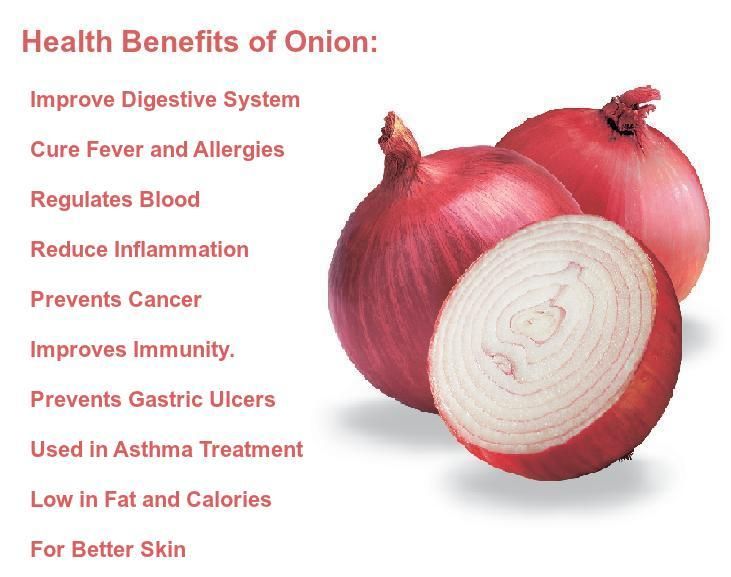
8 Health Benefits of Onions: Nutrition, Uses, and Why You Should Include Them in Your Diet
Onions are among the most commonly used vegetables worldwide and have been valued for both their culinary and medicinal properties for centuries. Whether eaten raw, cooked, roasted, or added to soups and curries, onions bring flavor, aroma, and impressive nutritional benefits to everyday meals.
Belonging to the Allium family, which also includes garlic, leeks, and shallots, onions contain a variety of vitamins, minerals, antioxidants, and plant compounds that may support overall health.
Modern research has shown that onions contain beneficial compounds such as flavonoids, sulfur-containing compounds, and antioxidants that contribute to many of their potential health benefits.
Let’s explore why onions deserve a regular place in your diet.
Nutritional Value of Onions
Onions are low in calories yet rich in nutrients.
A typical serving of onion provides:
- Vitamin C
- Vitamin B6
- Folate
- Potassium
- Manganese
- Fiber
- Antioxidants
They are also a rich source of sulfur compounds and flavonoids, particularly quercetin, which has been widely studied for its antioxidant properties.
1. Supports Oral Health
Traditionally, onions have been used as a natural remedy for maintaining oral hygiene.
Research suggests that onions contain antibacterial compounds that may help inhibit the growth of certain bacteria associated with oral health issues.
Potential benefits include:
- Supporting healthy gums
- Reducing harmful oral bacteria
- Promoting overall oral hygiene
However, onions should complement—not replace—regular brushing, flossing, and professional dental care.
2. May Promote Healthy Skin
The antioxidants and sulfur compounds found in onions may contribute to skin health.
Vitamin C Benefits
Vitamin C supports:
- Collagen production
- Skin repair
- Protection against oxidative stress
Antioxidant Protection
Antioxidants help protect skin cells from damage caused by environmental factors such as pollution and UV exposure.
While some traditional remedies combine onion with honey or oils for skincare, scientific evidence supporting topical onion treatments remains limited.
3. May Help Relieve Coughs and Sore Throats
Onions have long been used in traditional home remedies for coughs and sore throats.
Many people combine onion juice with honey as a natural soothing remedy.
Although onions are not a cure for respiratory infections, they contain compounds that may contribute to overall immune support and wellness.
For persistent symptoms, medical advice should always be sought.
4. May Support Urinary Health Through Hydration
Proper hydration plays an important role in maintaining urinary tract health.
Onions contain water and various nutrients that contribute to a balanced diet.
While traditional medicine has used onions in remedies for urinary discomfort, there is limited scientific evidence supporting onions as a direct treatment for urinary tract conditions.
Individuals experiencing urinary symptoms should consult a healthcare professional.
5. Rich in Anti-Inflammatory Compounds
Chronic inflammation has been associated with many health conditions, including:
- Heart disease
- Diabetes
- Obesity
- Certain cancers
Onions contain antioxidants such as quercetin that have demonstrated anti-inflammatory properties in scientific research.
A diet rich in anti-inflammatory foods may contribute to overall health and wellness.
6. Supports Digestive Health
Onions are a good source of dietary fiber and prebiotics.
What Are Prebiotics?
Prebiotics are compounds that feed beneficial bacteria in the gut.
Healthy gut bacteria help support:
- Digestion
- Nutrient absorption
- Immune function
- Gut health
Including onions as part of a balanced diet may contribute to a healthier digestive system.
7. May Help Support Heart Health
Onions contain compounds that may support cardiovascular health.
Potential heart-health benefits include:
- Supporting healthy cholesterol levels
- Reducing oxidative stress
- Promoting healthy blood vessel function
Quercetin, one of the major antioxidants in onions, has been extensively studied for its role in cardiovascular wellness.
Combined with a healthy lifestyle, onions can be part of a heart-friendly diet.
8. Contains Compounds Being Studied for Cancer Prevention
Onions contain several bioactive plant compounds, including sulfur-containing compounds and flavonoids.
Research suggests these compounds may help protect cells from oxidative damage and support overall cellular health.
However, it is important to understand that:
- No single food can prevent cancer.
- Onions are not a treatment for cancer.
- Cancer prevention depends on many lifestyle factors, including diet, exercise, avoiding tobacco, and regular medical screenings.
Including onions as part of a nutrient-rich diet may contribute to overall long-term health.
Can Onions Help with Anemia?
Onions themselves are not a significant source of iron.
However, they may be included in meals that contain iron-rich foods.
Traditional practices sometimes combine onions with jaggery and other ingredients as part of dietary approaches to support overall nutrition.
Individuals with anemia should seek proper medical diagnosis and treatment, as iron deficiency often requires targeted nutritional interventions.
Additional Health Benefits of Onions
Supports Immune Function
The antioxidants and vitamin C in onions help support normal immune system function.
May Help Regulate Blood Sugar
Some research suggests that certain compounds in onions may support healthy blood sugar regulation when consumed as part of a balanced diet.
Provides Antioxidant Protection
Antioxidants help protect cells against damage caused by free radicals and oxidative stress.
Easy Ways to Add Onions to Your Diet
Onions are incredibly versatile and easy to incorporate into meals.
Try adding them to:
- Salads
- Soups
- Curries
- Stir-fries
- Sandwiches
- Omelets
- Roasted vegetables
- Homemade sauces
Both raw and cooked onions provide valuable nutrients and flavor.
Potential Side Effects of Onions
Although onions are generally safe, some people may experience:
Digestive Discomfort
Large amounts may cause:
- Gas
- Bloating
- Heartburn
especially in individuals sensitive to certain carbohydrates known as FODMAPs.
Eye Irritation
Cutting onions releases compounds that can cause temporary tearing and eye irritation.
Allergic Reactions
Rarely, some individuals may experience onion allergies.
Final Thoughts
Onions are far more than a kitchen staple. They are packed with antioxidants, vitamins, fiber, and beneficial plant compounds that support overall health. From promoting digestive and heart health to providing antioxidant and anti-inflammatory benefits, onions offer a wide range of nutritional advantages.
While onions should not be viewed as a cure for medical conditions, incorporating them into a balanced diet can contribute to long-term wellness and support a healthy lifestyle.
Simple, affordable, and nutritious, onions remain one of nature’s most versatile vegetables.
Frequently Asked Questions (FAQs)
1. Are onions healthy to eat every day?
Yes. For most people, onions can be safely enjoyed daily as part of a balanced and nutritious diet.
2. What nutrients are found in onions?
Onions contain vitamin C, vitamin B6, folate, potassium, fiber, antioxidants, and sulfur-containing compounds.
3. Do onions boost immunity?
Onions contain antioxidants and vitamin C that support normal immune function and overall health.
4. Are onions good for heart health?
Research suggests that compounds in onions may support cardiovascular health by helping reduce oxidative stress and supporting healthy blood vessel function.
5. Can onions help with digestion?
Yes. Onions contain fiber and prebiotics that help nourish beneficial gut bacteria and support digestive health.
6. Do onions have anti-inflammatory properties?
Yes. Onions contain antioxidants such as quercetin, which have demonstrated anti-inflammatory effects in research studies.
7. Can onions prevent cancer?
No food can guarantee cancer prevention. However, onions contain beneficial plant compounds that may support cellular health as part of a healthy diet.
8. Are raw onions healthier than cooked onions?
Both forms provide health benefits. Raw onions may retain slightly more vitamin C, while cooked onions remain rich in antioxidants and beneficial compounds.
9. Can onions help with coughs?
Traditional remedies often use onions and honey for soothing coughs. While they may provide comfort, they are not a substitute for medical treatment when needed.
10. What is the healthiest way to eat onions?
Onions can be enjoyed raw in salads, lightly cooked in meals, roasted, grilled, or added to soups and stir-fries as part of a balanced diet.

Hi, I’m Amrita Pandey. I specialize in writing about health, pregnancy, yoga, natural remedies, beverages, fruits, and vegetables. I enjoy creating clear, well-researched content that helps readers make informed decisions and build healthier everyday habits.