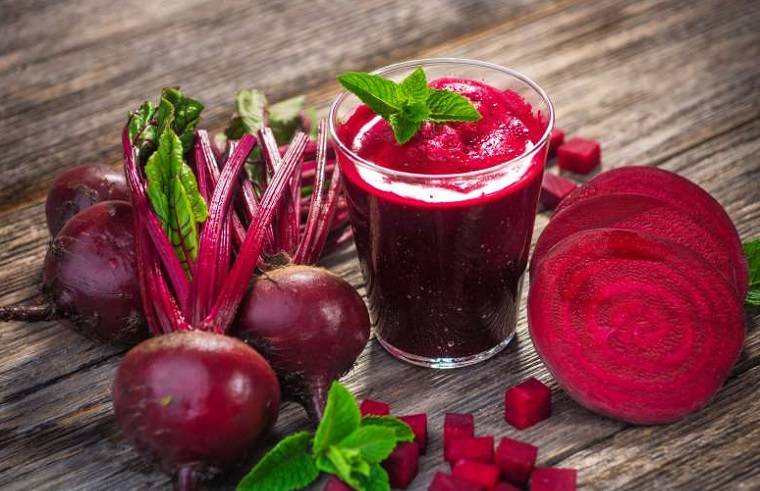
10 Science-Backed Health Benefits of Beetroot: Nutrition, Uses, and Why You Should Add It to Your Diet
Beetroot, commonly known as beet, is a vibrant root vegetable celebrated for its deep red-purple color, earthy flavor, and impressive nutritional profile. Used in cuisines worldwide, beetroot is not only versatile and delicious but also packed with essential vitamins, minerals, antioxidants, and plant compounds that support overall health.
In recent years, beetroot has gained significant attention among nutritionists, athletes, and health-conscious individuals due to its potential benefits for heart health, athletic performance, digestion, and brain function.
Whether enjoyed raw, roasted, juiced, or blended into smoothies, beetroot can be an easy and nutritious addition to your daily diet.
Let’s explore the science-backed health benefits of beetroot and discover why this colorful vegetable deserves a place on your plate.
Nutritional Profile of Beetroot
Beetroot is low in calories but rich in essential nutrients.
A typical serving of cooked beetroot contains:
- Dietary fiber
- Folate (Vitamin B9)
- Potassium
- Magnesium
- Iron
- Copper
- Manganese
- Vitamin C
In addition to vitamins and minerals, beetroot contains unique plant compounds that contribute to its health-promoting properties.
1. Rich in Nutrients and Low in Calories
One of the biggest advantages of beetroot is its high nutrient density.
Despite being relatively low in calories, beetroot provides several essential nutrients required for optimal health.
Folate
Folate supports:
- DNA synthesis
- Cell growth
- Healthy pregnancy
- Red blood cell production
Potassium
Potassium helps regulate:
- Fluid balance
- Muscle contractions
- Blood pressure
- Heart function
Magnesium
Magnesium supports:
- Nerve function
- Muscle health
- Energy production
- Bone health
Vitamin C
Vitamin C contributes to:
- Immune support
- Collagen production
- Iron absorption
- Antioxidant protection
This combination of nutrients makes beetroot a valuable addition to a balanced diet.
2. Contains Powerful Antioxidants and Plant Compounds
Beetroot contains several beneficial compounds that support overall wellness.
Betalains
Betalains are the pigments responsible for beetroot’s vibrant red-purple color.
Research suggests they possess:
- Antioxidant properties
- Anti-inflammatory effects
- Cellular protective functions
Polyphenols
These plant compounds help combat oxidative stress and support long-term health.
Natural Nitrates
Beetroot is particularly rich in dietary nitrates, which are converted into nitric oxide within the body.
Nitric oxide plays an important role in blood vessel function and circulation.
3. May Help Support Healthy Blood Pressure
High blood pressure is a major risk factor for cardiovascular disease.
Several studies suggest that the dietary nitrates found in beetroot may help support healthy blood pressure levels.
Once converted into nitric oxide, nitrates help:
- Relax blood vessels
- Improve blood flow
- Support circulation
While beetroot should not replace prescribed medications, it can be a heart-healthy addition to an overall balanced lifestyle.
4. May Enhance Athletic Performance
Beetroot has become particularly popular among athletes and fitness enthusiasts.
The nitrates in beetroot may improve:
- Oxygen utilization
- Exercise efficiency
- Endurance
- Physical performance
Some research indicates that consuming beetroot juice before exercise may help reduce fatigue and improve endurance performance, especially during aerobic activities.
This is one reason beetroot is often referred to as a natural performance-supporting food.
5. Helps Combat Chronic Inflammation
Chronic inflammation has been linked to numerous health conditions, including:
- Heart disease
- Obesity
- Type 2 diabetes
- Certain cancers
The betalains found in beetroot have demonstrated anti-inflammatory properties in scientific studies.
A diet rich in anti-inflammatory foods may support long-term health and wellness.
6. Promotes Digestive Health
Beetroot is an excellent source of dietary fiber.
Fiber plays a critical role in maintaining digestive health by:
- Supporting regular bowel movements
- Feeding beneficial gut bacteria
- Reducing constipation
- Supporting colon health
A healthy digestive system contributes to overall well-being and nutrient absorption.
7. May Support Brain Function
As we age, blood flow to the brain may naturally decline, potentially affecting cognitive performance.
The nitrates in beetroot may help support healthy blood flow, including circulation to the brain.
Research suggests that improved blood flow may contribute to:
- Better concentration
- Enhanced cognitive function
- Improved mental performance
While beetroot is not a treatment for cognitive disorders, it may support brain health as part of a nutritious diet.
8. May Help Protect Cells Against Oxidative Stress
Oxidative stress occurs when free radicals outnumber the body’s antioxidant defenses.
Over time, oxidative stress may contribute to aging and chronic disease.
Beetroot’s antioxidants help neutralize free radicals and protect cells from damage.
This protective effect is one reason antioxidant-rich foods are recommended for overall health.
9. Supports Healthy Red Blood Cell Production
Beetroot contains folate and small amounts of iron, both of which contribute to red blood cell formation.
Iron
Iron helps transport oxygen throughout the body.
Folate
Folate supports healthy cell division and blood formation.
Although beetroot should not be viewed as a treatment for anemia, it can contribute valuable nutrients that support healthy blood production.
Individuals with iron deficiency should seek professional medical guidance for diagnosis and treatment.
10. May Support Liver Health
The liver plays a central role in:
- Detoxification
- Metabolism
- Nutrient processing
Some research suggests that beetroot’s antioxidants and plant compounds may help support normal liver function by reducing oxidative stress.
However, more human studies are needed to fully understand the extent of these effects.
Easy Ways to Add Beetroot to Your Diet
One of the best things about beetroot is its versatility.
Beetroot Salad
Grated or sliced beetroot adds color, flavor, and nutrition to salads.
Beetroot Juice
Fresh beetroot juice is a popular way to enjoy its nutrients and nitrates.
Smoothies
Blend cooked or raw beetroot with fruits and vegetables for a nutrient-rich smoothie.
Roasted Beetroot
Roasting enhances beetroot’s natural sweetness and makes an excellent side dish.
Beetroot Dip
Combine beetroot with Greek yogurt, hummus, or chickpeas for a healthy dip.
Beet Greens
Don’t discard the leaves. Beet greens are rich in nutrients and can be cooked similarly to spinach.
Are There Any Side Effects of Beetroot?
Beetroot is generally safe for most people.
However, some individuals may notice:
Red or Pink Urine
Known as beeturia, this harmless effect occurs after consuming beetroot.
Digestive Upset
Large amounts may cause mild digestive discomfort in sensitive individuals.
Kidney Stone Concerns
People prone to calcium oxalate kidney stones may need to moderate beetroot intake because it contains oxalates.
Consult a healthcare professional if you have specific medical concerns.
Final Thoughts
Beetroot is a nutrient-dense superfood packed with vitamins, minerals, antioxidants, fiber, and natural nitrates that support overall health. From promoting heart health and athletic performance to supporting digestion, brain function, and healthy blood flow, beetroot offers an impressive range of benefits.
The best part is that it’s affordable, widely available, and easy to incorporate into everyday meals.
Whether you enjoy it roasted, juiced, blended, or raw, adding beetroot to your diet can be a simple and delicious step toward better health.
Frequently Asked Questions (FAQs)
1. What are the main health benefits of beetroot?
Beetroot may support heart health, healthy blood pressure, athletic performance, digestion, brain function, and overall antioxidant protection.
2. Is beetroot good for blood pressure?
Yes. The natural nitrates in beetroot may help support healthy blood vessel function and contribute to maintaining normal blood pressure levels.
3. Can beetroot improve athletic performance?
Research suggests that beetroot may enhance exercise efficiency and endurance by improving oxygen utilization during physical activity.
4. Is beetroot good for digestion?
Yes. Beetroot contains dietary fiber, which helps support regular bowel movements and digestive health.
5. Can beetroot help with anemia?
Beetroot contains iron and folate, nutrients involved in red blood cell production. However, it should not replace medical treatment for anemia.
6. Does beetroot support brain health?
The nitrates in beetroot may improve blood flow, including circulation to the brain, which could support cognitive function.
7. Is beetroot juice healthy?
Yes. Beetroot juice contains many of the beneficial compounds found in whole beetroot, including dietary nitrates and antioxidants.
8. Can I eat beetroot every day?
For most healthy individuals, moderate daily consumption of beetroot can be part of a balanced diet.
9. Why does beetroot turn urine red?
A harmless condition called beeturia can cause urine or stools to appear pink or red after consuming beetroot.
10. What is the healthiest way to eat beetroot?
Beetroot can be enjoyed raw, roasted, steamed, juiced, or blended into smoothies. Consuming it in a variety of ways helps maximize its nutritional benefits.

Hi, I’m Amrita Pandey. I specialize in writing about health, pregnancy, yoga, natural remedies, beverages, fruits, and vegetables. I enjoy creating clear, well-researched content that helps readers make informed decisions and build healthier everyday habits.