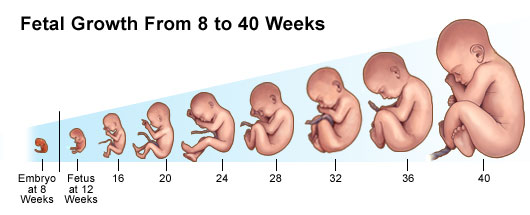
One of the most exciting milestones during pregnancy is seeing or hearing your baby’s heartbeat for the first time. For many expectant parents, this moment makes the pregnancy feel real and creates a powerful emotional connection with their growing baby.
The fetal heartbeat develops very early in pregnancy, often before a woman even realizes she is pregnant. However, when the heartbeat becomes visible on an ultrasound or audible through a fetal Doppler depends on several factors, including the stage of pregnancy and the type of equipment used.
In this guide, we’ll explore when a baby’s heartbeat begins, when it can be seen or heard, what is considered normal, and answers to common questions about fetal heart development.
When Does a Baby’s Heartbeat Start?
The baby’s heart begins developing very early after conception.
Early Heart Development
Around 5 to 6 weeks of pregnancy (measured from the first day of your last menstrual period), the developing embryo’s heart tube begins to beat and circulate blood.
At this stage:
- The heart is still forming.
- It is not yet a fully developed four-chambered heart.
- The heartbeat may be visible on an early ultrasound.
Many healthcare providers refer to this early activity as cardiac activity rather than a fully formed heartbeat.
When Can You See Your Baby’s Heartbeat on Ultrasound?
Transvaginal Ultrasound
A transvaginal ultrasound is often the earliest way to detect fetal cardiac activity.
In many pregnancies, cardiac activity can be seen between:
5.5 and 6.5 weeks of pregnancy
The ultrasound may show:
- A gestational sac
- A yolk sac
- A tiny embryo
- A flickering motion that represents the developing heartbeat
Abdominal Ultrasound
An abdominal ultrasound may detect the heartbeat slightly later, typically around:
6 to 8 weeks of pregnancy
The timing depends on factors such as:
- Accuracy of pregnancy dating
- Maternal body composition
- Position of the uterus
- Quality of ultrasound equipment
What If No Heartbeat Is Seen Early?
Not seeing a heartbeat during a very early ultrasound does not always indicate a problem.
Possible reasons include:
- Pregnancy dates being earlier than expected
- Late ovulation
- Difficulty visualizing the embryo
Healthcare providers often schedule a repeat ultrasound within one to two weeks for further evaluation.
When Can You Hear Your Baby’s Heartbeat?
Fetal Doppler
A fetal Doppler is a handheld device that uses sound waves to detect and amplify the baby’s heartbeat.
Most healthcare providers can detect the heartbeat with a Doppler between:
10 and 12 weeks of pregnancy
However, some women may hear it earlier, while others may need to wait a little longer.
Factors that influence detection include:
- Baby’s position
- Maternal body weight
- Placental location
- Gestational age
- Equipment sensitivity
What Does a Baby’s Heartbeat Sound Like?
Many parents describe a fetal heartbeat as sounding like:
- Galloping horses
- A fast train
- Rapid drumming
The heartbeat is significantly faster than an adult heart rate.
Hearing that rapid rhythm for the first time is often one of the most memorable moments of pregnancy.
What Is a Normal Fetal Heart Rate?
A baby’s heart rate changes throughout pregnancy.
Early Pregnancy
At approximately 5–6 weeks:
- Around 90–110 beats per minute (bpm)
Mid First Trimester
Around 8–10 weeks:
- May increase to 170–180 bpm
Second and Third Trimesters
As pregnancy progresses:
- Typically ranges between 110–160 bpm
Healthcare providers monitor fetal heart rate during prenatal visits to help assess the baby’s well-being.
Can Heart Rate Predict the Baby’s Gender?
Popular Myth
A common pregnancy myth suggests:
- Heart rate above 140 bpm = girl
- Heart rate below 140 bpm = boy
Many parents enjoy guessing the baby’s sex based on heart rate, but scientific studies have found no reliable evidence supporting this theory.
What Research Shows
Fetal heart rates vary naturally throughout pregnancy regardless of gender.
The most accurate methods for determining a baby’s sex include:
- Ultrasound examination
- Non-invasive prenatal testing (NIPT)
- Genetic testing when medically indicated
While the heartbeat myth can be fun, it should not be considered an accurate predictor.
Why Monitoring the Baby’s Heartbeat Matters
Assessing Fetal Well-Being
Monitoring fetal heart activity helps healthcare providers evaluate:
- Growth and development
- Oxygen supply
- Overall fetal health
- Potential complications
Regular prenatal care allows healthcare professionals to monitor changes and identify concerns early.
What Factors Can Affect a Baby’s Heart Rate?
Temporary fluctuations in fetal heart rate are normal.
Several factors may influence readings, including:
Baby’s Activity Level
Heart rate often increases when the baby is active.
Maternal Activity
Exercise and physical activity can temporarily affect fetal heart rate.
Maternal Stress
Stress hormones may influence heart rate patterns temporarily.
Gestational Age
Normal heart rate ranges change as pregnancy progresses.
Healthcare providers evaluate heart rate within the context of the overall pregnancy rather than focusing on isolated readings.
What If the Heartbeat Cannot Be Detected?
Early Pregnancy
Failure to detect a heartbeat during very early pregnancy may occur because:
- Pregnancy dating is inaccurate.
- Ovulation occurred later than expected.
- The embryo is too small to visualize.
In many cases, a repeat ultrasound is recommended.
Later Pregnancy
If a heartbeat cannot be detected later in pregnancy, healthcare providers will perform further evaluation immediately to assess fetal well-being.
Always follow your healthcare provider’s recommendations for additional testing if needed.
Frequently Asked Questions (FAQ)
When does a baby’s heartbeat start?
The earliest cardiac activity usually begins around 5 to 6 weeks of pregnancy.
When can a heartbeat be seen on ultrasound?
A heartbeat may be visible on a transvaginal ultrasound around 5.5 to 6.5 weeks of pregnancy.
When can I hear my baby’s heartbeat?
Most women can hear their baby’s heartbeat using a fetal Doppler between 10 and 12 weeks of pregnancy.
What is a normal fetal heart rate?
A normal fetal heart rate generally ranges from 110 to 160 beats per minute during most of pregnancy.
Can a baby’s heartbeat determine gender?
No. Scientific evidence does not support the belief that fetal heart rate accurately predicts whether the baby is a boy or girl.
What if no heartbeat is detected at 6 weeks?
Pregnancy dating may be earlier than expected. A repeat ultrasound is often recommended before drawing conclusions.
Why is my baby’s heartbeat so fast?
Fetal heart rates are naturally much faster than adult heart rates and vary depending on gestational age and activity level.
How often is the baby’s heartbeat checked during pregnancy?
Healthcare providers typically monitor the fetal heartbeat during routine prenatal visits and additional testing when medically necessary.
Can stress affect the baby’s heartbeat?
Maternal stress may temporarily influence fetal heart rate patterns, but occasional fluctuations are usually normal.
Is hearing the heartbeat a sign of a healthy pregnancy?
A detectable heartbeat is generally a positive sign of pregnancy progression, but ongoing prenatal care remains important throughout pregnancy.
Conclusion
Seeing or hearing your baby’s heartbeat for the first time is one of the most meaningful milestones of pregnancy. Cardiac activity typically begins around 5 to 6 weeks of pregnancy, becomes visible on ultrasound shortly afterward, and can often be heard with a Doppler device by 10 to 12 weeks.
While every pregnancy develops at its own pace, regular prenatal care allows healthcare providers to monitor fetal growth, heart function, and overall well-being. If you have concerns about fetal heart development or ultrasound findings, always consult your healthcare provider for personalized guidance.
For many parents, that first tiny heartbeat is more than just a medical milestone—it’s the first tangible reminder that a new life is growing and thriving.

Hi, I’m Amrita Pandey. I specialize in writing about health, pregnancy, yoga, natural remedies, beverages, fruits, and vegetables. I enjoy creating clear, well-researched content that helps readers make informed decisions and build healthier everyday habits.