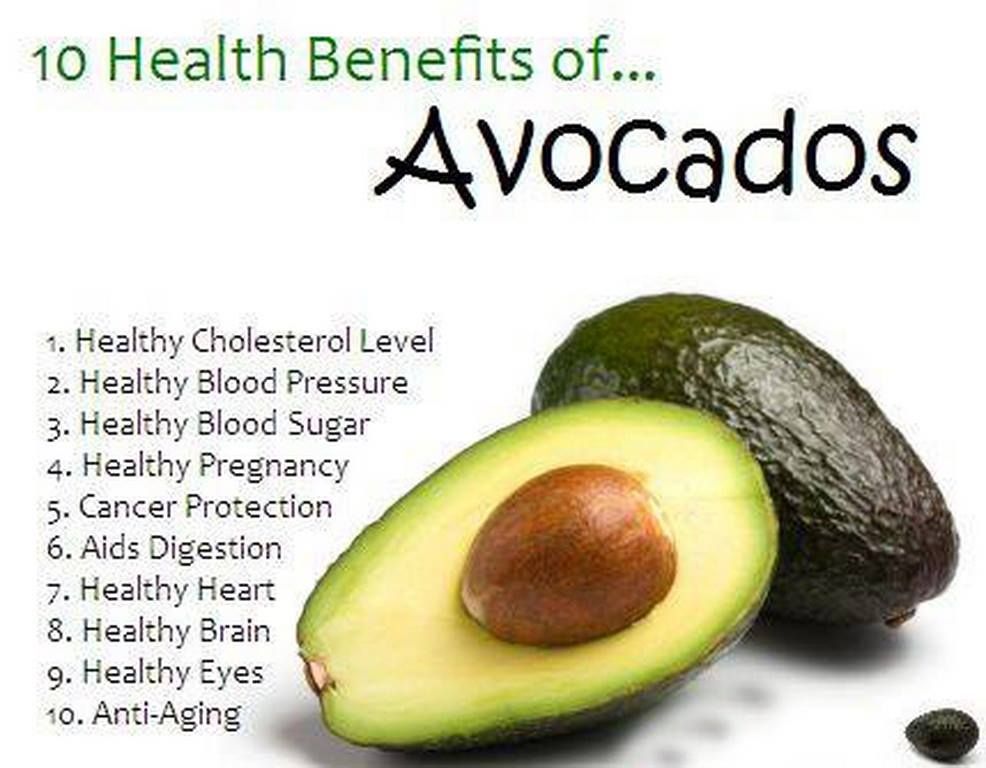
Avocados have earned a reputation as one of the world’s most nutritious fruits—and for good reason. Known scientifically as Persea americana, avocados belong to the Lauraceae family, which also includes cinnamon, bay laurel, and camphor trees.
Unlike most fruits, avocados are rich in heart-healthy fats rather than carbohydrates. They provide an impressive combination of vitamins, minerals, fiber, antioxidants, and beneficial plant compounds that support overall health and wellness.
Whether spread on toast, blended into smoothies, added to salads, or transformed into guacamole, avocados offer both exceptional flavor and remarkable nutritional value.
In this article, we’ll explore the science-backed health benefits of avocados, their nutritional profile, and why they deserve a place in a healthy diet.
Nutritional Value of Avocados
Avocados are packed with essential nutrients that support numerous bodily functions.
A typical serving provides:
- Healthy monounsaturated fats
- Dietary fiber
- Potassium
- Folate
- Vitamin K
- Vitamin E
- Vitamin C
- Vitamin B6
- Magnesium
- Copper
Avocados also contain beneficial plant compounds such as:
- Lutein
- Zeaxanthin
- Beta-sitosterol
- Polyphenols
- Glutathione
Their unique nutrient profile makes them one of the most nutrient-dense fruits available.
1. Supports Heart Health
Heart-Friendly Fats
Avocados are rich in monounsaturated fats, particularly oleic acid, the same healthy fat found in olive oil.
These fats may help:
- Support healthy cholesterol levels
- Reduce inflammation
- Improve cardiovascular function
Additional Heart-Protective Nutrients
Avocados also contain:
- Potassium
- Fiber
- Folate
- Antioxidants
Together, these nutrients contribute to long-term heart health.
2. May Help Improve Cholesterol Levels
Supporting a Healthy Lipid Profile
Research suggests that avocado consumption may help improve cholesterol levels when included as part of a balanced diet.
Potential benefits include:
- Lower LDL (“bad”) cholesterol
- Increased HDL (“good”) cholesterol
- Reduced triglyceride levels
The combination of fiber and healthy fats likely contributes to these effects.
3. Helps Maintain Healthy Blood Pressure
Rich Source of Potassium
Potassium is an essential mineral involved in:
- Fluid balance
- Muscle function
- Nerve signaling
- Blood pressure regulation
Avocados contain more potassium than many commonly consumed fruits, making them a valuable addition to a heart-healthy eating plan.
4. Rich in Anti-Inflammatory Compounds
Fighting Chronic Inflammation
Avocados contain various antioxidants and phytonutrients, including:
- Polyphenols
- Flavonoids
- Carotenoids
These compounds may help reduce inflammation throughout the body.
Since chronic inflammation is associated with many long-term health conditions, consuming anti-inflammatory foods can support overall wellness.
5. Supports Eye Health
High in Lutein and Zeaxanthin
Avocados are an excellent source of the carotenoids:
- Lutein
- Zeaxanthin
These nutrients accumulate in the retina and help protect the eyes from oxidative damage.
Potential Benefits
Regular consumption may help support:
- Healthy vision
- Eye function
- Age-related eye health
Lutein and zeaxanthin are often associated with a lower risk of age-related macular degeneration.
6. Supports Healthy Blood Sugar Management
Low Glycemic Impact
Avocados contain very little sugar and are rich in healthy fats and fiber.
This combination may help:
- Slow digestion
- Promote satiety
- Reduce blood sugar spikes after meals
For this reason, avocados can fit well into many balanced eating plans, including those focused on blood sugar management.
7. Excellent Source of Folate
Important for Pregnancy
Folate (Vitamin B9) plays a critical role in:
- DNA synthesis
- Cell growth
- Fetal development
Adequate folate intake before and during pregnancy helps reduce the risk of neural tube defects.
Supporting Overall Health
Folate also contributes to:
- Red blood cell production
- Cardiovascular health
- Healthy cell function
8. May Support Brain Health
Nutrients for Cognitive Function
Several nutrients in avocados support healthy brain function, including:
- Folate
- Vitamin E
- Healthy fats
- Antioxidants
These nutrients may help protect brain cells from oxidative stress and support cognitive health as we age.
9. Packed with Antioxidants
Fighting Free Radicals
Avocados contain several antioxidants, including:
- Vitamin E
- Vitamin C
- Glutathione
- Polyphenols
These compounds help neutralize free radicals that contribute to cellular damage and aging.
Benefits of Antioxidants
Antioxidants may help support:
- Immune function
- Healthy aging
- Cardiovascular health
- Cellular protection
10. Supports Healthy Aging
Protecting Cells Over Time
The combination of healthy fats, vitamins, minerals, and antioxidants makes avocados an excellent food for healthy aging.
Potential benefits include:
- Supporting skin health
- Maintaining cognitive function
- Reducing oxidative stress
- Supporting overall vitality
11. Promotes Digestive Health
Rich in Fiber
Fiber is essential for maintaining a healthy digestive system.
Avocados provide both soluble and insoluble fiber, which help:
- Promote regular bowel movements
- Support gut bacteria
- Improve digestive comfort
- Reduce constipation
A healthy gut is closely linked to overall wellness.
12. Improves Nutrient Absorption
Helping Your Body Use Nutrients More Efficiently
Many important nutrients are fat-soluble, meaning they require dietary fat for proper absorption.
These include:
- Vitamin A
- Vitamin D
- Vitamin E
- Vitamin K
- Carotenoids
Adding avocado to salads and vegetable dishes may help increase the absorption of these nutrients.
13. Supports Skin Health
Nourishing from the Inside Out
The healthy fats, vitamin E, and vitamin C in avocados contribute to healthy skin.
Potential benefits include:
- Supporting skin hydration
- Promoting collagen production
- Protecting against oxidative damage
- Supporting skin elasticity
Avocado Oil Benefits
Avocado oil is commonly used in skincare products due to its moisturizing properties.
14. May Support Healthy Weight Management
Promoting Fullness
Although avocados are relatively calorie-dense, they are highly satisfying.
The combination of:
- Healthy fats
- Fiber
- Nutrient density
helps increase feelings of fullness and may reduce unnecessary snacking.
Quality Over Quantity
Including moderate portions of avocado in a balanced diet may support healthy weight management goals.
15. A Nutritious Option for Healthy Weight Gain
Nutrient-Dense Calories
For individuals seeking to gain weight in a healthy manner, avocados offer:
- Calorie-dense nutrition
- Healthy fats
- Fiber
- Vitamins and minerals
Unlike many processed high-calorie foods, avocados provide valuable nutrients along with their calories.
How to Add More Avocados to Your Diet
Breakfast
Add avocado to:
- Whole-grain toast
- Omelets
- Smoothies
Lunch and Dinner
Use avocado in:
- Salads
- Sandwiches
- Wraps
- Grain bowls
Snacks
Enjoy:
- Guacamole
- Avocado dip
- Avocado with lemon and sea salt
Healthy Desserts
Blend avocado into:
- Chocolate mousse
- Smoothies
- Frozen treats
Frequently Asked Questions (FAQ)
Are avocados healthy?
Yes. Avocados are rich in healthy fats, fiber, vitamins, minerals, and antioxidants that support overall health.
Do avocados help lower cholesterol?
Research suggests that avocado consumption may help improve cholesterol levels as part of a heart-healthy diet.
Are avocados good for weight loss?
Avocados may support weight management by promoting fullness and reducing hunger, despite being relatively high in calories.
Can people with diabetes eat avocados?
Yes. Avocados have a low glycemic impact and contain healthy fats and fiber that support blood sugar management.
Are avocados good for heart health?
Their monounsaturated fats, potassium, fiber, and antioxidants make avocados a heart-friendly food.
Do avocados contain protein?
Avocados contain small amounts of protein, but they are primarily valued for their healthy fat and fiber content.
Are avocados good during pregnancy?
Yes. Avocados provide folate and other nutrients that support healthy fetal development.
What makes avocados good for the skin?
Vitamin E, vitamin C, antioxidants, and healthy fats help support skin hydration and elasticity.
How many avocados can I eat per day?
For most healthy adults, half to one avocado per day can fit comfortably into a balanced diet.
Is avocado oil healthy?
Yes. Avocado oil is rich in monounsaturated fats and can be a nutritious option for cooking and salad dressings.
Conclusion
Avocados are among the most nutrient-rich foods available, providing a powerful combination of healthy fats, fiber, vitamins, minerals, and antioxidants. From supporting heart health and blood sugar management to promoting healthy skin, digestion, and nutrient absorption, avocados offer a wide range of evidence-based health benefits.
While no single food can guarantee perfect health, incorporating avocados into a balanced, varied diet can be a simple and delicious way to support overall wellness. Whether you’re looking to improve your nutrition, support healthy aging, or simply enjoy a satisfying and flavorful food, avocados are an excellent choice for long-term health.

Hi, I’m Amrita Pandey. I specialize in writing about health, pregnancy, yoga, natural remedies, beverages, fruits, and vegetables. I enjoy creating clear, well-researched content that helps readers make informed decisions and build healthier everyday habits.