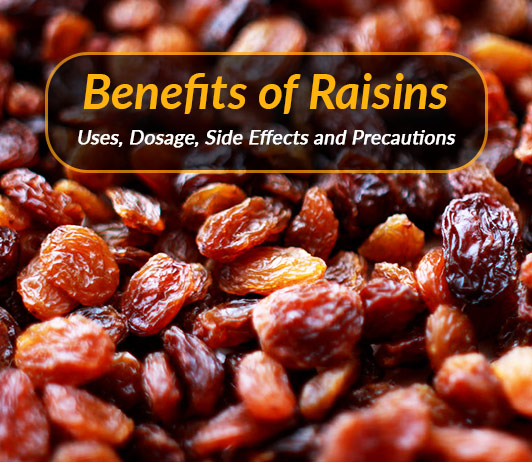
Raisins are naturally dried grapes that have been enjoyed for centuries as a nutritious snack and ingredient in various cuisines around the world. Despite their small size, raisins are packed with vitamins, minerals, antioxidants, fiber, and natural sugars that can provide a variety of health benefits.
Whether eaten on their own, added to cereals, mixed into desserts, or incorporated into savory dishes, raisins offer a convenient and delicious way to boost your nutrient intake.
What Are Raisins?
Raisins are produced by drying grapes, either naturally in the sun or through controlled drying methods. As the grapes lose moisture, their nutrients become more concentrated, making raisins a rich source of energy and beneficial plant compounds.
Common varieties include:
- Golden raisins
- Black raisins
- Green raisins
- Sultanas
Each variety offers a slightly different flavor and texture while providing similar nutritional benefits.
Nutritional Value of Raisins
Raisins contain several important nutrients, including:
- Dietary fiber
- Potassium
- Iron
- Calcium
- Magnesium
- Vitamin B6
- Copper
- Antioxidants
- Natural fruit sugars
Because they are dried fruit, raisins provide concentrated energy and nutrients in a small serving size.
Top Health Benefits of Raisins
1. Rich in Antioxidants
Raisins contain antioxidants such as polyphenols and flavonoids that help protect the body’s cells from oxidative stress.
Antioxidants may help:
- Protect cells from free radical damage
- Support healthy aging
- Promote overall wellness
- Support immune function
A diet rich in antioxidant-containing foods contributes to long-term health.
2. Supports Digestive Health
Raisins are a good source of dietary fiber, which helps maintain a healthy digestive system.
Fiber supports:
- Regular bowel movements
- Healthy digestion
- Improved gut health
- Relief from occasional constipation
Many people soak raisins overnight or consume them with water as part of their digestive wellness routine.
3. Provides Natural Energy
Raisins contain natural sugars such as glucose and fructose, making them an excellent source of quick energy.
They are particularly useful for:
- Athletes
- Active individuals
- Growing children
- Pre-workout snacks
Unlike many processed snacks, raisins provide energy along with vitamins, minerals, and fiber.
4. Supports Heart Health
Potassium and fiber found in raisins contribute to cardiovascular health.
Potassium helps:
- Maintain healthy blood pressure levels
- Support normal muscle function
- Balance sodium levels in the body
Fiber may also support healthy cholesterol levels when consumed as part of a balanced diet.
5. Contributes to Bone Health
Raisins contain minerals such as calcium, magnesium, and boron, which play important roles in maintaining strong bones.
These nutrients help support:
- Bone density
- Bone strength
- Healthy skeletal function
Including raisins as part of a nutrient-rich diet may contribute to long-term bone health.
6. Supports Oral Health
Raisins contain naturally occurring plant compounds, including oleanolic acid, which may help support oral health.
Research suggests these compounds may help:
- Reduce harmful oral bacteria
- Support gum health
- Promote overall dental wellness
However, because raisins are naturally sticky and contain sugars, maintaining good oral hygiene remains important.
7. Supports Eye Health
Raisins contain antioxidants and phytonutrients that may help protect the eyes from oxidative stress.
These compounds may contribute to maintaining healthy vision as part of a balanced diet rich in fruits and vegetables.
8. Helps Support Healthy Iron Levels
Raisins contain iron, an essential mineral involved in the production of red blood cells and oxygen transport throughout the body.
Including iron-rich foods can help support healthy energy levels and overall wellness.
9. May Support Weight Management
Although raisins are calorie-dense, their fiber content may help increase feelings of fullness.
When consumed in moderation, raisins can serve as a healthier alternative to processed sugary snacks.
Easy Ways to Add Raisins to Your Diet
Raisins are versatile and can be enjoyed in many ways:
- As a healthy snack
- Added to oatmeal
- Mixed into yogurt
- Sprinkled over salads
- Added to baked goods
- Mixed into trail mix
- Used in rice and curry dishes
- Added to smoothies
Their natural sweetness makes them a convenient alternative to refined sugar in some recipes.
Are There Any Side Effects of Eating Raisins?
Raisins are generally safe for most people when consumed in moderation.
However, because they contain concentrated natural sugars and calories, excessive consumption may contribute to:
- Increased calorie intake
- Digestive discomfort
- Blood sugar spikes in sensitive individuals
Portion control is important, particularly for people managing diabetes or weight-related concerns.
Final Thoughts
Raisins are a nutrient-dense dried fruit that offer numerous health benefits. Rich in fiber, antioxidants, potassium, iron, and natural sugars, they support digestive health, heart health, energy production, bone strength, and overall wellness.
Whether enjoyed as a snack or incorporated into meals, raisins provide a convenient and flavorful way to add more nutrients to your diet. As with any food, moderation is key to enjoying their benefits while maintaining a balanced eating pattern.
Frequently Asked Questions (FAQs)
Are raisins healthy?
Yes. Raisins are rich in fiber, antioxidants, vitamins, and minerals that support overall health.
What are the main health benefits of raisins?
Raisins may support digestion, heart health, bone health, energy production, eye health, and overall wellness.
Can raisins help with constipation?
Yes. The fiber in raisins may help promote regular bowel movements and support digestive health.
Are raisins good for weight loss?
Raisins can be part of a healthy weight-management plan when consumed in moderation due to their fiber content and ability to promote fullness.
Do raisins provide energy?
Yes. Raisins contain natural sugars that provide quick energy, making them a popular snack among athletes and active individuals.
Are raisins good for the heart?
Raisins contain potassium and fiber, which contribute to cardiovascular health when included in a balanced diet.
Can people with diabetes eat raisins?
People with diabetes can often include raisins in moderation, but portion control is important because raisins contain concentrated natural sugars.
Are soaked raisins healthier than dry raisins?
Both offer similar nutrients. Some people prefer soaked raisins because they may be easier to digest and are commonly used in traditional wellness practices.
Do raisins contain iron?
Yes. Raisins contain iron, which supports red blood cell production and oxygen transport in the body.
How many raisins should I eat per day?
A small handful (about 30–40 grams) is generally considered a reasonable serving size for most healthy adults.

Hi, I’m Amrita Pandey. I specialize in writing about health, pregnancy, yoga, natural remedies, beverages, fruits, and vegetables. I enjoy creating clear, well-researched content that helps readers make informed decisions and build healthier everyday habits.