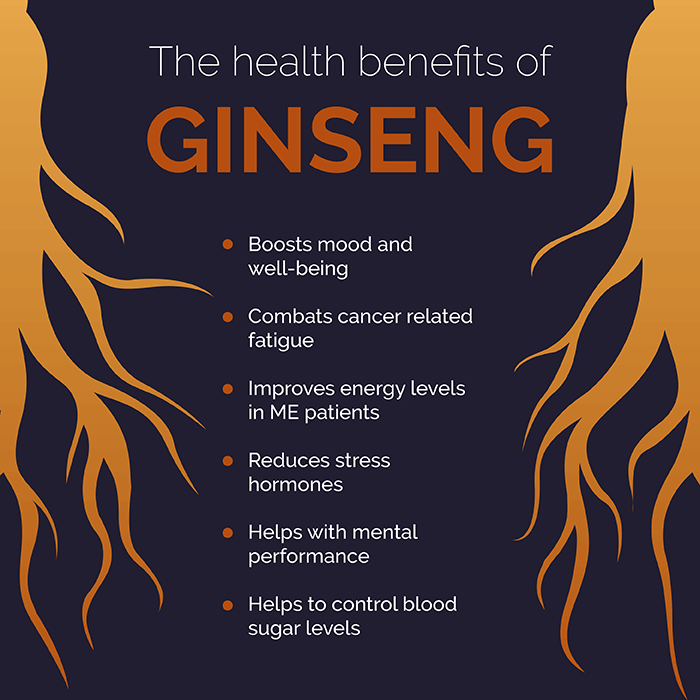
Ginseng Benefits: Uses, Health Advantages, Side Effects, and What Science Says
Ginseng is one of the most popular herbal remedies in the world and has been used for centuries in traditional medicine systems, particularly in Asia. Known for its potential to support energy levels, mental performance, immune function, and overall wellness, ginseng remains one of the most researched medicinal plants today.
Derived from the roots of plants belonging to the Panax genus, ginseng contains active compounds called ginsenosides, which are believed to be responsible for many of its potential health benefits.
While traditional medicine has long valued ginseng as a natural tonic, modern research continues to explore its effects on physical health, cognitive function, blood sugar regulation, and more.
In this article, we’ll examine the science-backed benefits of ginseng, how it works, potential side effects, and who should exercise caution when using it.
What Is Ginseng?
Ginseng is a slow-growing perennial plant native to parts of Asia and North America. The most commonly used varieties include:
Asian Ginseng (Panax ginseng)
Often referred to as Korean or Chinese ginseng, this variety has been used extensively in traditional Chinese medicine.
American Ginseng (Panax quinquefolius)
Native to North America, American ginseng is commonly used for its potential calming and immune-supporting properties.
Siberian Ginseng
Although often called ginseng, Siberian ginseng (Eleutherococcus senticosus) is not a true ginseng plant. However, it is frequently used for similar wellness purposes.
The primary bioactive compounds found in true ginseng are known as ginsenosides, which contribute to many of the plant’s therapeutic properties.
Nutritional and Medicinal Components of Ginseng
Ginseng contains several beneficial plant compounds, including:
- Ginsenosides
- Antioxidants
- Polysaccharides
- Peptides
- Polyacetylenes
- Vitamins and minerals (in small amounts)
These compounds have been studied for their potential effects on inflammation, oxidative stress, energy metabolism, and immune function.
Health Benefits of Ginseng
1. May Support Cognitive Function and Brain Health
One of the most widely recognized benefits of ginseng is its potential impact on mental performance.
Research suggests that ginsenosides may help support:
- Memory
- Concentration
- Learning ability
- Mental clarity
- Cognitive performance
Some studies indicate that ginseng may help reduce mental fatigue and improve attention during demanding tasks.
Its antioxidant properties may also help protect brain cells from oxidative stress, which is associated with age-related cognitive decline.
However, more large-scale studies are needed to fully understand its long-term effects on brain health.
2. May Help Increase Energy Levels
Many people use ginseng as a natural energy booster.
Unlike stimulants such as caffeine, ginseng does not necessarily provide an immediate surge of energy. Instead, research suggests it may help improve the body’s ability to utilize oxygen and support energy metabolism.
Several studies have found that ginseng may help reduce fatigue and improve physical performance, particularly in individuals experiencing chronic tiredness or stress-related fatigue.
3. May Support Healthy Blood Sugar Levels
Ginseng has attracted significant attention for its potential role in blood sugar management.
Research suggests that ginsenosides may help:
- Improve insulin sensitivity
- Enhance glucose metabolism
- Support healthy blood sugar control
Some studies have shown that ginseng may help reduce post-meal blood sugar spikes in individuals with type 2 diabetes.
However, ginseng should not replace prescribed diabetes treatments and should only be used under medical supervision if you have a blood sugar disorder.
4. May Support Immune System Function
A healthy immune system plays a critical role in protecting the body against illness.
Several studies suggest that ginseng may help strengthen immune responses by influencing various immune cells and signaling pathways.
Potential immune-related benefits include:
- Enhanced immune function
- Improved resistance to infections
- Support during periods of physical stress
While promising, ginseng should be viewed as a complement to a healthy lifestyle rather than a replacement for proper medical care.
5. May Help Manage Stress
Ginseng is often classified as an adaptogen, a natural substance believed to help the body adapt to physical and emotional stress.
Adaptogens may help:
- Support hormonal balance
- Improve resilience to stress
- Reduce feelings of fatigue
- Promote overall well-being
Many people report feeling more balanced and focused when using ginseng regularly, although individual responses vary.
6. May Support Cardiovascular Health
Research has explored the relationship between ginseng and heart health.
Some studies suggest that ginseng may contribute to:
- Healthy circulation
- Improved blood vessel function
- Antioxidant protection
- Support for normal blood pressure levels
However, findings have been mixed, and more research is necessary before definitive conclusions can be made regarding cardiovascular benefits.
7. May Assist With Weight Management
Some early studies suggest that ginseng may influence metabolism and energy utilization.
Researchers have investigated whether ginseng may help:
- Support fat metabolism
- Reduce appetite
- Improve energy expenditure
While preliminary findings are encouraging, there is currently insufficient evidence to recommend ginseng as a primary weight-loss solution.
Sustainable weight management still depends on:
- Balanced nutrition
- Regular exercise
- Adequate sleep
- Healthy lifestyle habits
8. May Help Reduce Menstrual Discomfort
Traditionally, ginseng has been used to support women’s health and reduce menstrual discomfort.
Some women report that ginseng tea or supplements may help:
- Ease menstrual cramps
- Reduce fatigue during menstruation
- Promote relaxation
However, scientific evidence supporting these benefits remains limited, and further clinical studies are needed.
9. May Have Antioxidant Properties
Oxidative stress contributes to aging and various chronic diseases.
The antioxidant compounds found in ginseng may help:
- Protect cells from free radical damage
- Support healthy aging
- Reduce inflammation
- Promote overall wellness
Antioxidants play an important role in maintaining long-term health and cellular function.
Can Ginseng Help Prevent Cancer?
Researchers have studied ginsenosides for their potential effects on cancer-related pathways.
Laboratory and animal studies suggest that certain compounds in ginseng may influence:
- Cell growth
- Inflammation
- Oxidative stress
- Tumor development
However, current evidence is insufficient to conclude that ginseng can prevent, treat, or cure cancer in humans.
Anyone undergoing cancer treatment should consult their healthcare provider before using ginseng supplements.
How to Consume Ginseng
Ginseng is available in several forms:
- Fresh root
- Dried root
- Capsules
- Tablets
- Powders
- Extracts
- Herbal teas
The appropriate dosage varies depending on the type of ginseng, health goals, and individual factors.
Always follow product instructions and seek professional guidance when necessary.
Possible Side Effects of Ginseng
Ginseng is generally considered safe for many healthy adults when used appropriately.
Potential side effects may include:
- Headaches
- Insomnia
- Digestive discomfort
- Nervousness
- Dizziness
- Changes in blood pressure
Who Should Be Careful With Ginseng?
Consult a healthcare provider before using ginseng if you:
- Have diabetes
- Take blood-thinning medications
- Have high blood pressure
- Are pregnant or breastfeeding
- Take antidepressants or other prescription medications
Herbal supplements can interact with medications and may not be suitable for everyone.
Final Thoughts
Ginseng is one of the most widely used medicinal herbs worldwide and has a long history of use in traditional wellness practices. Modern research suggests it may offer benefits for cognitive function, energy levels, immune health, blood sugar management, stress resilience, and overall well-being.
While many findings are promising, ginseng should not be viewed as a cure-all. The best results are achieved when it is used alongside a healthy diet, regular exercise, adequate sleep, and professional medical guidance.
As with any supplement, quality, dosage, and individual health conditions should always be considered before use.
Frequently Asked Questions (FAQs)
1. What is ginseng used for?
Ginseng is commonly used to support energy levels, cognitive function, immune health, stress management, and overall wellness.
2. Does ginseng increase energy?
Research suggests that ginseng may help reduce fatigue and improve energy metabolism, making it a popular natural energy supplement.
3. Can ginseng help with blood sugar control?
Some studies indicate that ginseng may improve insulin sensitivity and support healthy blood sugar levels, although it should not replace medical treatment.
4. Is ginseng good for brain health?
Ginseng may support memory, focus, concentration, and cognitive performance due to its antioxidant and neuroprotective properties.
5. Can ginseng help with weight loss?
Some early research suggests potential metabolic benefits, but there is not enough evidence to recommend ginseng as a primary weight-loss supplement.
6. Does ginseng boost the immune system?
Several studies suggest that ginseng may support immune function and help the body respond more effectively to physical stress.
7. Is ginseng safe to take every day?
Many people use ginseng daily without issues, but long-term use and appropriate dosage should be discussed with a healthcare professional.
8. Can ginseng lower blood pressure?
Research findings are mixed. Ginseng may affect blood pressure differently depending on the individual and the type of ginseng used.
9. What are the side effects of ginseng?
Potential side effects include headaches, insomnia, digestive upset, nervousness, and dizziness.
10. Who should avoid taking ginseng?
People taking blood thinners, individuals with certain medical conditions, pregnant women, and those taking prescription medications should consult a healthcare provider before using ginseng supplements.

Hi, I’m Amrita Pandey. I specialize in writing about health, pregnancy, yoga, natural remedies, beverages, fruits, and vegetables. I enjoy creating clear, well-researched content that helps readers make informed decisions and build healthier everyday habits.