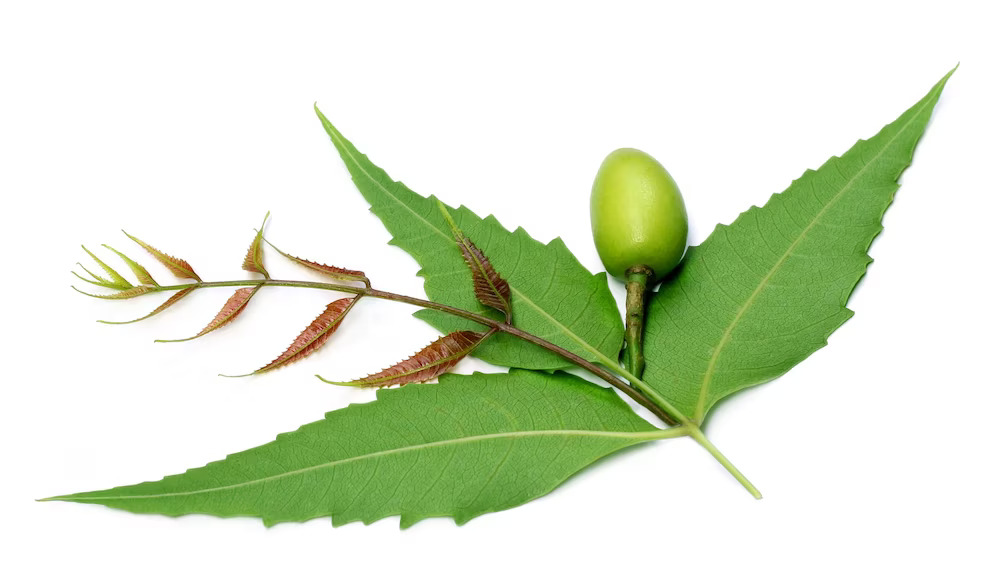
Health Benefits of Neem Leaves: Uses, Nutrition, and Wellness Benefits
Neem (Azadirachta indica) is one of the most respected medicinal plants in traditional Ayurvedic medicine. Native to India and widely used across Asia, neem has earned a reputation for its diverse health applications. Almost every part of the neem tree—including its leaves, bark, flowers, seeds, and oil—has been traditionally used for wellness, skincare, oral hygiene, and agricultural purposes.
Today, scientific research continues to explore the potential health benefits of neem due to its rich content of antioxidants, bioactive compounds, and antimicrobial properties.
In this comprehensive guide, we’ll explore the health benefits of neem leaves and other parts of the neem tree while discussing safe ways to use this remarkable plant.
What Is Neem?
Neem is a fast-growing evergreen tree that belongs to the mahogany family. It thrives in tropical and subtropical climates and has been a cornerstone of Ayurvedic medicine for thousands of years.
Neem contains several biologically active compounds, including:
- Nimbin
- Nimbolide
- Azadirachtin
- Quercetin
- Polyphenols
- Flavonoids
These compounds contribute to neem’s potential therapeutic properties.
Nutritional and Medicinal Properties of Neem
Neem contains a variety of beneficial plant compounds known for their antioxidant and antimicrobial activities.
Key Properties of Neem
- Antioxidant support
- Antimicrobial activity
- Anti-inflammatory effects
- Skin-supportive properties
- Traditional immune-support applications
While neem has a long history of traditional use, more high-quality human studies are needed to confirm many of its potential benefits.
Health Benefits of Neem Leaves
Neem leaves are among the most commonly used parts of the tree.
1. Supports Skin Health
Neem leaves have been traditionally used to support healthy skin.
Potential Benefits
Neem’s antimicrobial and anti-inflammatory properties may help support:
- Acne-prone skin
- Minor skin irritation
- Itchy skin conditions
- General skin hygiene
Neem leaf extracts are commonly found in soaps, creams, face washes, and herbal skincare products.
2. Rich in Antioxidants
Neem leaves contain antioxidants that help protect cells from oxidative stress.
Why Antioxidants Matter
Oxidative stress is associated with:
- Premature aging
- Inflammation
- Cellular damage
- Various chronic diseases
Consuming antioxidant-rich plant foods may support overall wellness and healthy aging.
3. Supports Immune Function
Traditional Ayurvedic practices often use neem leaves as part of immune-support routines.
Neem contains plant compounds that may help support the body’s natural defense mechanisms.
While neem should not replace medical treatment, it may complement a healthy lifestyle when used appropriately.
4. May Support Blood Purification in Traditional Medicine
In Ayurveda, neem is often referred to as a natural blood purifier.
Modern science does not recognize “blood purification” as a medical process in the traditional sense. However, neem’s antioxidant content may help support overall health by reducing oxidative stress within the body.
5. Supports Digestive Wellness
Neem has been traditionally used to promote digestive comfort.
Some studies suggest neem compounds may support:
- Digestive health
- Gut balance
- Healthy inflammatory responses
However, further clinical research is needed.
Benefits of Neem Oil
Neem oil is extracted primarily from neem seeds and has become a popular ingredient in natural skincare and personal care products.
6. Helps Support Healthy Skin
Neem oil is commonly used for:
- Dry skin
- Skin hydration
- Scalp care
- Minor skin irritation
Its moisturizing properties may help maintain the skin’s natural barrier.
7. Supports Hair and Scalp Health
Neem oil is widely used in hair care products.
Potential Hair Benefits
- Supports scalp hygiene
- Helps moisturize dry scalp
- Improves hair appearance
- Supports healthy-looking hair
Many herbal shampoos and hair oils contain neem as a primary ingredient.
8. Natural Insect Repellent
One of neem oil’s most recognized uses is as a natural insect repellent.
Neem contains azadirachtin, a compound commonly used in:
- Organic gardening
- Natural pest control
- Insect-repelling products
It offers a plant-based alternative to some synthetic repellents.
Benefits of Neem Bark
Neem bark has been used traditionally for oral hygiene and wellness practices.
9. Supports Oral Health
In many parts of India, neem twigs have traditionally been used for cleaning teeth.
Neem-based oral care products may help support:
- Gum health
- Oral hygiene
- Fresh breath
Today, neem is commonly found in:
- Herbal toothpastes
- Mouthwashes
- Dental care products
Benefits of Neem Flowers
Neem flowers are often used in traditional cuisine and Ayurvedic preparations.
10. Supports Digestive Health
Neem flowers have traditionally been consumed in small quantities as part of digestive wellness practices.
In some regions, dried neem flowers are used in herbal teas and traditional recipes.
Neem in Traditional Foods
Neem has long been incorporated into certain traditional Indian dishes.
Common Uses
- Herbal teas
- Chutneys
- Traditional Ayurvedic preparations
- Seasonal wellness foods
Despite its health benefits, neem is known for its intensely bitter taste.
Neem for Pets and Animals
Neem-based products are sometimes used in pet care.
Potential Uses
- Natural flea control products
- Pet shampoos
- Coat care products
Pet owners should always consult a veterinarian before using neem products on animals.
Safety and Precautions
Although neem is generally considered safe when used appropriately, there are important precautions to keep in mind.
Avoid Excessive Consumption
Large amounts of neem products may cause adverse effects.
Pregnancy and Fertility Considerations
Pregnant women should avoid neem supplements unless specifically advised by a healthcare professional.
Children
Neem products should not be given to infants or young children without medical guidance.
Medication Interactions
Neem may interact with certain medications, including:
- Diabetes medications
- Immune-related medications
- Blood pressure medications
Always consult a healthcare provider before beginning any herbal supplement.
How to Use Neem Safely
Neem Leaves
Used in:
- Herbal teas
- Capsules
- Powders
- Traditional preparations
Neem Oil
Applied externally for:
- Skin care
- Hair care
- Scalp support
Neem Toothpaste
Used for daily oral hygiene.
Choose high-quality products from reputable manufacturers.
Final Thoughts
Neem is one of nature’s most versatile medicinal plants and has been used in Ayurvedic medicine for centuries. Neem leaves, oil, bark, flowers, and seeds contain beneficial compounds that may support skin health, oral hygiene, immune function, hair care, and overall wellness.
While traditional uses are extensive, it is important to approach neem with realistic expectations and rely on evidence-based healthcare advice when addressing medical conditions.
When used responsibly, neem can be a valuable addition to a healthy lifestyle and natural wellness routine.
Frequently Asked Questions (FAQs)
1. What are the health benefits of neem leaves?
Neem leaves may support skin health, immune function, antioxidant protection, and digestive wellness as part of a balanced lifestyle.
2. Is neem good for the skin?
Neem is commonly used in skincare products due to its antimicrobial and anti-inflammatory properties.
3. Can neem help with acne?
Neem-based skincare products may help support acne-prone skin, although results vary between individuals.
4. Is neem good for hair growth?
Neem oil may help maintain a healthy scalp environment, which can support overall hair health.
5. Can neem improve oral health?
Neem has traditionally been used for oral hygiene and is commonly found in herbal toothpastes and mouthwashes.
6. Is neem safe to consume daily?
Neem should be consumed in moderation and according to professional guidance. Excessive intake may cause side effects.
7. Can pregnant women use neem?
Pregnant women should consult a healthcare professional before using neem products, particularly supplements.
8. What is neem oil used for?
Neem oil is commonly used for skin care, hair care, scalp support, and as a natural insect repellent.

Hi, I’m Amrita Pandey. I specialize in writing about health, pregnancy, yoga, natural remedies, beverages, fruits, and vegetables. I enjoy creating clear, well-researched content that helps readers make informed decisions and build healthier everyday habits.