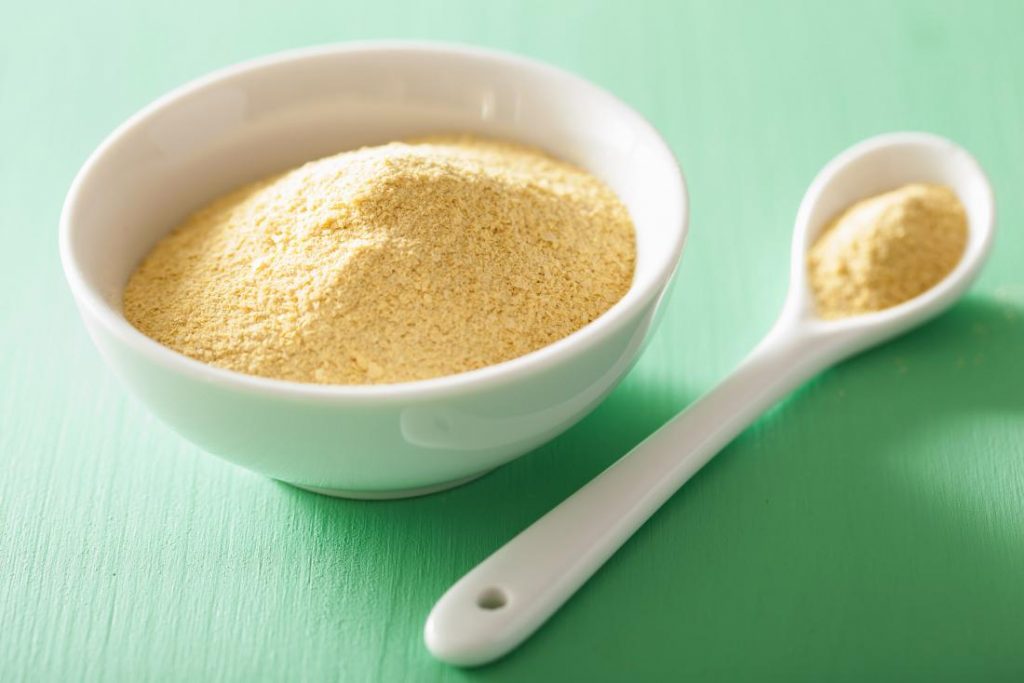
Nutritional Yeast Benefits: Nutrition Facts, Health Advantages, and How to Use It
Nutritional yeast has become increasingly popular among health-conscious consumers, vegans, vegetarians, and fitness enthusiasts—and for good reason. This versatile food ingredient is packed with protein, B vitamins, minerals, antioxidants, and dietary fiber, making it one of the most nutrient-dense additions you can make to your diet.
Often referred to as a “superfood,” nutritional yeast is prized for its naturally savory, cheesy flavor, making it a favorite dairy-free seasoning for everything from popcorn and pasta to soups and salads.
In this article, we’ll explore what nutritional yeast is, its nutritional profile, science-backed health benefits, potential side effects, and the best ways to incorporate it into your daily meals.
What Is Nutritional Yeast?
Nutritional yeast is a deactivated form of the yeast species Saccharomyces cerevisiae. Unlike baker’s yeast or brewer’s yeast, nutritional yeast is not active and cannot be used for baking or fermentation.
It is typically grown on sugar-rich sources such as molasses, harvested, washed, heated to deactivate the yeast cells, and then dried into flakes, granules, or powder.
Nutritional yeast is known for its:
- Cheesy flavor
- Nutty taste
- High protein content
- Rich vitamin profile
- Vegan-friendly nutrition
Because of its naturally savory taste, nutritional yeast is commonly used as a plant-based alternative to cheese.
Nutritional Value of Nutritional Yeast
The exact nutritional composition varies by brand, especially when fortified. However, a typical serving of nutritional yeast provides:
- High-quality protein
- Dietary fiber
- B-complex vitamins
- Trace minerals
- Antioxidants
- Essential amino acids
Many fortified varieties also contain substantial amounts of vitamin B12, an important nutrient that can be difficult for vegans and vegetarians to obtain from food alone.
Health Benefits of Nutritional Yeast
1. Excellent Source of Plant-Based Protein
One of the biggest advantages of nutritional yeast is its impressive protein content.
Protein plays an essential role in:
- Building muscle
- Repairing tissues
- Producing enzymes and hormones
- Supporting immune function
- Maintaining healthy skin and hair
Nutritional yeast contains all nine essential amino acids, making it a complete protein source. This makes it particularly valuable for vegetarians, vegans, and individuals seeking plant-based protein alternatives.
Adding nutritional yeast to meals can help support daily protein requirements without relying on animal products.
2. Rich in B Vitamins
Nutritional yeast is widely recognized for its abundance of B-complex vitamins, including:
- Vitamin B1 (Thiamine)
- Vitamin B2 (Riboflavin)
- Vitamin B3 (Niacin)
- Vitamin B5 (Pantothenic Acid)
- Vitamin B6 (Pyridoxine)
- Vitamin B9 (Folate)
These vitamins contribute to:
- Energy production
- Brain function
- Nervous system health
- Healthy skin
- Red blood cell formation
Many fortified nutritional yeast products also contain vitamin B12, which is particularly important for people following vegan or vegetarian diets.
Vitamin B12 helps support:
- Red blood cell production
- DNA synthesis
- Neurological health
- Energy metabolism
A deficiency in vitamin B12 may lead to fatigue, weakness, and anemia.
3. May Support Immune Function
Nutritional yeast contains naturally occurring compounds called beta-glucans.
Beta-glucans are a type of soluble fiber that may help support healthy immune system function by interacting with immune cells.
Research suggests that beta-glucans may help the body’s natural defense mechanisms respond more effectively to certain environmental challenges.
While nutritional yeast is not a cure or treatment for disease, it can be part of a nutrient-rich diet that supports overall immune health.
4. Provides Important Minerals
Nutritional yeast contains several essential minerals that contribute to overall health.
These may include:
- Zinc
- Selenium
- Magnesium
- Copper
- Manganese
- Chromium
These minerals support various bodily functions, including:
- Metabolism
- Immune response
- Antioxidant activity
- Blood sugar regulation
- Cellular repair
Chromium, in particular, has been studied for its potential role in supporting healthy glucose metabolism.
5. High in Dietary Fiber
Fiber is essential for digestive health, and nutritional yeast provides a significant amount of dietary fiber per serving.
Benefits of adequate fiber intake include:
- Improved digestion
- Regular bowel movements
- Better gut health
- Increased feelings of fullness
- Support for healthy cholesterol levels
A fiber-rich diet is also associated with improved cardiovascular health and long-term metabolic wellness.
6. Naturally Low in Sodium
Many processed foods contain excessive amounts of sodium, which can contribute to elevated blood pressure in some individuals.
Nutritional yeast is naturally low in sodium (depending on the brand), making it a flavorful seasoning option for people seeking to reduce sodium intake without sacrificing taste.
Always check product labels, as sodium levels can vary among manufacturers.
7. Contains Antioxidants That Help Protect Cells
Nutritional yeast contains antioxidant compounds, including glutathione and selenium.
Antioxidants help protect cells from oxidative stress caused by free radicals.
Reducing oxidative stress may contribute to:
- Healthy aging
- Cellular protection
- Improved immune function
- Overall wellness
While no food can completely prevent aging or disease, antioxidant-rich foods can support long-term health.
8. May Support Energy Production
Because nutritional yeast is rich in B vitamins and protein, it plays an important role in energy metabolism.
These nutrients help convert food into usable energy and support:
- Physical performance
- Mental focus
- Reduced fatigue
- Cellular function
For individuals following plant-based diets, nutritional yeast can be a convenient way to increase nutrient intake that supports daily energy needs.
9. Supports Vegan and Vegetarian Nutrition
Nutritional yeast has become a staple in vegan and vegetarian diets because it helps fill potential nutritional gaps.
Its combination of:
- Complete protein
- Vitamin B12 (when fortified)
- Fiber
- Minerals
- Savory flavor
makes it one of the most practical plant-based foods available.
How to Use Nutritional Yeast
One of the best things about nutritional yeast is its versatility.
Popular ways to use it include:
Sprinkle on:
- Popcorn
- Salads
- Pasta
- Roasted vegetables
- Soups
Mix into:
- Smoothies
- Sauces
- Gravies
- Vegan cheese recipes
- Mashed potatoes
Add to:
- Scrambled eggs
- Tofu scrambles
- Grain bowls
- Sandwich fillings
Its cheesy flavor makes it particularly popular in dairy-free cooking.
Are There Any Side Effects of Nutritional Yeast?
Nutritional yeast is generally considered safe for most people.
However, some individuals may experience:
Digestive Discomfort
Introducing large amounts suddenly may cause:
- Bloating
- Gas
- Digestive upset
Migraine Sensitivity
Some individuals sensitive to tyramine-containing foods may experience headaches or migraines after consuming nutritional yeast.
Allergic Reactions
Although rare, some people may have yeast sensitivities or allergies.
If you experience adverse symptoms after consumption, consult a healthcare professional.
Final Thoughts
Nutritional yeast is one of the most nutrient-rich and versatile foods available, especially for vegetarians and vegans. Its impressive combination of complete protein, B vitamins, fiber, minerals, and antioxidants makes it a valuable addition to a healthy diet.
Whether you’re looking to increase protein intake, support energy production, improve nutritional balance, or simply add a delicious cheesy flavor to meals, nutritional yeast offers a convenient and nutritious solution.
As with any dietary change, moderation is key, and individuals with specific medical conditions should consult a healthcare provider before making significant changes to their diet.
Frequently Asked Questions (FAQs)
1. What is nutritional yeast?
Nutritional yeast is a deactivated form of Saccharomyces cerevisiae grown specifically for food. It is commonly used as a seasoning and nutritional supplement.
2. Is nutritional yeast vegan?
Yes. Nutritional yeast is entirely plant-based and is widely used in vegan and vegetarian diets.
3. Does nutritional yeast contain vitamin B12?
Some fortified varieties contain vitamin B12, while unfortified versions may not. Always check the nutrition label.
4. Is nutritional yeast a complete protein?
Yes. Nutritional yeast contains all nine essential amino acids, making it a complete protein source.
5. Can nutritional yeast help with weight management?
Its high protein and fiber content may promote satiety, helping you feel fuller for longer as part of a balanced diet.
6. Is nutritional yeast good for gut health?
The fiber and beta-glucans found in nutritional yeast may help support digestive and gut health.
7. Can nutritional yeast replace cheese?
Many people use nutritional yeast as a dairy-free cheese alternative because of its naturally savory and cheesy flavor.
8. Is nutritional yeast safe to eat every day?
For most healthy individuals, moderate daily consumption is considered safe and can contribute valuable nutrients to the diet.
9. What’s the difference between nutritional yeast and baker’s yeast?
Nutritional yeast is deactivated and used as food seasoning, while baker’s yeast is active and used to make bread rise.
10. Who should avoid nutritional yeast?
People with yeast allergies, certain digestive sensitivities, or migraine triggers related to tyramine should consult a healthcare professional before consuming nutritional yeast regularly.

Hi, I’m Amrita Pandey. I specialize in writing about health, pregnancy, yoga, natural remedies, beverages, fruits, and vegetables. I enjoy creating clear, well-researched content that helps readers make informed decisions and build healthier everyday habits.