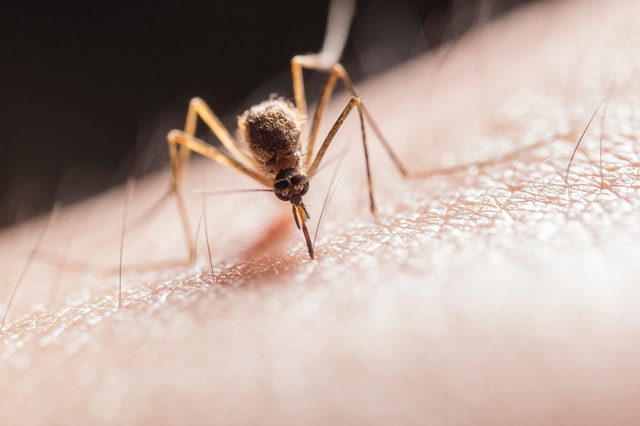
During the monsoon season, mosquito-borne diseases become a major health concern in many parts of the world, especially in tropical and subtropical regions. Among the most common and potentially serious mosquito-borne illnesses are malaria and dengue fever.
Although both diseases are transmitted through mosquito bites and often cause fever, they are caused by different organisms, affect the body differently, and require different treatment approaches.
Understanding the symptoms, causes, diagnosis, and prevention of malaria and dengue can help ensure early medical attention and better recovery outcomes.
What Is Malaria?
Malaria is a serious infectious disease caused by parasites of the Plasmodium species. The disease is transmitted primarily through the bite of infected female Anopheles mosquitoes.
Causes of Malaria
Five species of Plasmodium parasites can infect humans, with Plasmodium falciparum and Plasmodium vivax being among the most common.
After entering the body, the parasites travel to the liver, where they multiply before infecting red blood cells.
In rare cases, malaria can also spread through:
- Blood transfusions
- Organ transplants
- Shared needles or syringes
- Transmission from mother to child during pregnancy
Common Symptoms of Malaria
Symptoms usually develop between 7 and 30 days after infection, although some forms of malaria may remain dormant for months.
Common signs and symptoms include:
- High fever
- Chills and shivering
- Excessive sweating
- Headache
- Fatigue
- Muscle pain
- Nausea and vomiting
- Abdominal discomfort
- Anemia
- Weakness
Severe Malaria Symptoms
Without prompt treatment, severe malaria can lead to:
- Seizures
- Difficulty breathing
- Organ failure
- Severe anemia
- Altered consciousness
- Coma
Malaria is considered a medical emergency and requires immediate medical attention.
How Is Malaria Diagnosed?
Doctors typically diagnose malaria through:
- Blood smear tests
- Rapid diagnostic tests (RDTs)
- Laboratory blood analysis
Testing helps identify the parasite species and determine appropriate treatment.
Treatment for Malaria
Treatment depends on:
- Type of malaria parasite
- Severity of infection
- Patient’s age and health status
- Local drug-resistance patterns
Doctors commonly prescribe antimalarial medications. Early diagnosis and treatment significantly improve recovery outcomes.
What Is Dengue Fever?
Dengue fever is a viral infection caused by the dengue virus and transmitted primarily by infected Aedes aegypti mosquitoes.
Unlike malaria, dengue is caused by a virus rather than a parasite.
Causes of Dengue
There are four closely related dengue virus serotypes:
- DENV-1
- DENV-2
- DENV-3
- DENV-4
A person infected with one type develops long-term immunity to that specific type but can still be infected by the remaining serotypes.
Common Symptoms of Dengue
Symptoms typically appear 4 to 10 days after a mosquito bite.
Common symptoms include:
- Sudden high fever
- Severe headache
- Pain behind the eyes
- Muscle pain
- Joint pain
- Nausea
- Vomiting
- Fatigue
- Skin rash
- Swollen lymph nodes
Because of the severe joint and muscle pain, dengue is sometimes referred to as “breakbone fever.”
Warning Signs of Severe Dengue
Seek immediate medical care if symptoms include:
- Severe abdominal pain
- Persistent vomiting
- Bleeding gums
- Nosebleeds
- Blood in vomit or stool
- Extreme fatigue
- Difficulty breathing
- Sudden drop in blood pressure
Severe dengue can become life-threatening without proper medical care.
How Is Dengue Diagnosed?
Doctors may use:
- Dengue antigen tests
- Antibody tests
- PCR testing
- Complete blood count (CBC)
Blood tests help confirm infection and monitor platelet levels.
Treatment for Dengue
There is currently no specific antiviral treatment for dengue.
Management focuses on:
- Adequate hydration
- Rest
- Fever management
- Monitoring for complications
Important Note
Avoid self-medicating with aspirin or ibuprofen unless advised by a doctor, as these medications may increase bleeding risk in dengue patients.
Always follow medical advice regarding medications.
Malaria vs Dengue: Key Differences
| Feature | Malaria | Dengue |
|---|---|---|
| Cause | Plasmodium parasite | Dengue virus |
| Mosquito Vector | Female Anopheles mosquito | Aedes aegypti mosquito |
| Active Biting Time | Mainly dusk to dawn | Primarily daytime |
| Incubation Period | Usually 7–30 days | Usually 4–10 days |
| Main Symptoms | Fever, chills, sweating | High fever, rash, severe body pain |
| Blood Effects | Destroys red blood cells | Can reduce platelet count |
| Treatment | Antimalarial drugs | Supportive care and monitoring |
| Prevention | Mosquito control and protection | Mosquito control and protection |
Foods to Eat During Recovery
Proper nutrition supports recovery from both malaria and dengue.
Recommended Foods
- Fresh fruits
- Coconut water
- Soups and broths
- Rice and porridge
- Boiled vegetables
- Protein-rich foods
- Yogurt
- Fresh fruit juices (without excess sugar)
Importance of Hydration
Drinking adequate fluids is especially important during dengue because dehydration can worsen symptoms.
Helpful fluids include:
- Water
- Oral rehydration solutions (ORS)
- Coconut water
- Clear soups
How to Prevent Malaria and Dengue
Protect Yourself From Mosquito Bites
- Use mosquito repellents
- Wear long-sleeved clothing
- Sleep under mosquito nets when appropriate
- Install window screens
- Use mosquito-control devices indoors
Eliminate Mosquito Breeding Sites
- Remove stagnant water around the home
- Clean water containers regularly
- Empty flower pots and trays
- Cover water storage tanks
Community-level mosquito control remains one of the most effective preventive strategies.
Final Thoughts
Although malaria and dengue share some symptoms, they are distinct diseases caused by different organisms and transmitted by different mosquito species. Early diagnosis, prompt medical care, proper hydration, and supportive nutrition are essential for recovery.
During the monsoon season and other high-risk periods, taking preventive measures against mosquito bites can significantly reduce the risk of both infections. If you develop a high fever, severe body aches, or other concerning symptoms after a mosquito bite, seek medical evaluation promptly.
Frequently Asked Questions (FAQs)
What is the main difference between malaria and dengue?
Malaria is caused by Plasmodium parasites, while dengue is caused by the dengue virus. Both are transmitted by different mosquito species.
Which mosquito causes malaria?
Malaria is spread through the bite of infected female Anopheles mosquitoes.
Which mosquito causes dengue?
Dengue is primarily transmitted by Aedes aegypti mosquitoes.
Can dengue and malaria occur together?
Yes. In some regions, co-infection with both diseases can occur, making accurate diagnosis especially important.
Is dengue more dangerous than malaria?
Both diseases can become serious or life-threatening if not treated appropriately. The severity depends on the individual case and access to medical care.
How can I tell if I have malaria or dengue?
The symptoms often overlap, making laboratory testing necessary for an accurate diagnosis.
What foods help during dengue recovery?
Hydrating fluids, fruits, soups, protein-rich foods, and easily digestible meals are generally recommended during recovery.
Can malaria be cured?
Yes. Most cases of malaria can be effectively treated with appropriate antimalarial medications when diagnosed early.
Is there a cure for dengue?
There is no specific antiviral cure for dengue. Treatment focuses on symptom management, hydration, and monitoring for complications.
How can I prevent malaria and dengue?
Using mosquito repellents, eliminating standing water, wearing protective clothing, and avoiding mosquito bites are among the most effective preventive measures.

Hi, I’m Amrita Pandey. I specialize in writing about health, pregnancy, yoga, natural remedies, beverages, fruits, and vegetables. I enjoy creating clear, well-researched content that helps readers make informed decisions and build healthier everyday habits.