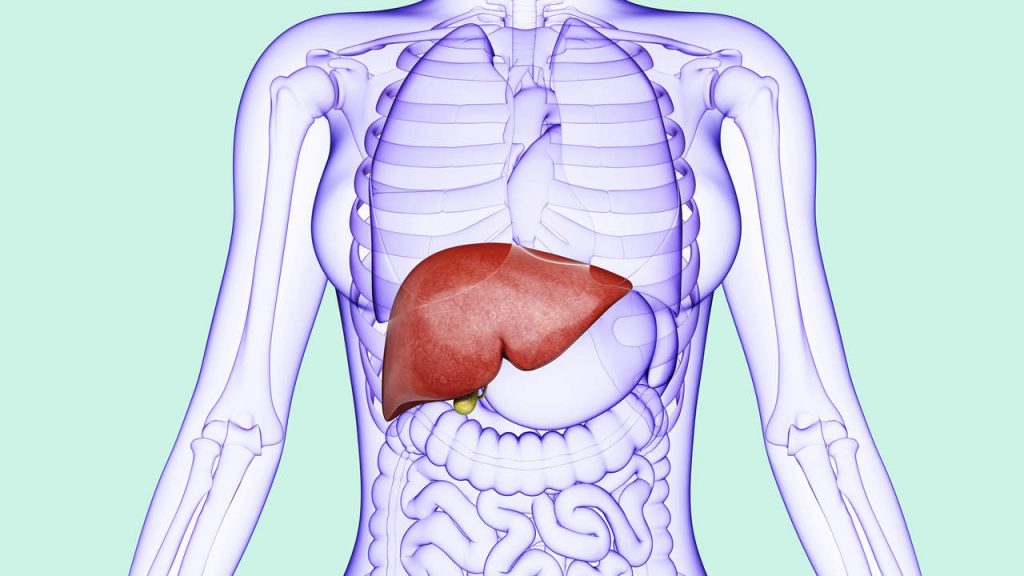
A study published in the journal Gastroenterology found that excess calorie intake may play a larger role in the development of fatty liver disease than the specific type of sugar consumed. The research suggested that both fructose and glucose produced similar effects on liver health when consumed as part of a high-calorie diet.
However, experts emphasize that fatty liver disease is a complex condition influenced by multiple factors, including overall diet, body weight, physical activity, insulin resistance, genetics, and metabolic health.
What Is Fatty Liver Disease?
Fatty liver disease occurs when excess fat accumulates in liver cells. Today, the condition is commonly referred to as Metabolic Dysfunction-Associated Steatotic Liver Disease (MASLD), previously known as Nonalcoholic Fatty Liver Disease (NAFLD).
The condition has become one of the most common chronic liver disorders worldwide and is closely linked to:
- Obesity
- Type 2 diabetes
- Insulin resistance
- High cholesterol
- Sedentary lifestyle
- Excess calorie consumption
If left unmanaged, fatty liver disease can progress to liver inflammation, fibrosis, cirrhosis, and other serious complications.
What Did the Study Find?
Researchers conducted a controlled study involving healthy but overweight men to examine the effects of two common sugars:
- Fructose
- Glucose
Participants followed two dietary phases:
Weight-Maintaining Diet
When calorie intake remained stable, researchers found no significant liver changes regardless of whether participants consumed fructose or glucose.
Weight-Gaining Diet
When participants consumed excess calories and gained weight, both fructose and glucose produced similar liver-related changes, including:
- Increased liver fat accumulation
- Elevated triglyceride levels
- Increased liver enzyme levels
The findings suggested that overall calorie excess and weight gain were major contributors to fatty liver changes.
Does This Mean Sugar Is Harmless?
No.
The study does not suggest that unlimited sugar consumption is safe. Instead, it indicates that excess calorie intake may be a key driver of fatty liver disease.
Many sugar-rich foods and beverages contribute significant calories while providing little nutritional value. Regular consumption of sugary drinks has been associated with weight gain, insulin resistance, and metabolic health issues.
Most health organizations continue to recommend limiting added sugars as part of a balanced diet.
Why Excess Calories Matter
When the body consistently receives more calories than it burns, excess energy is stored as fat.
This can lead to:
- Weight gain
- Increased abdominal fat
- Insulin resistance
- Higher triglyceride levels
- Fat accumulation in the liver
The study highlights that even short periods of overeating may negatively affect liver health.
Hidden Calories in Drinks
One notable finding from the study was that participants consumed a portion of their calories through beverages.
Researchers observed that participants did not feel significantly fuller despite consuming more calories.
This supports concerns that sugary beverages may contribute to excessive calorie intake because liquid calories are often less satisfying than solid foods.
How to Protect Your Liver Health
Experts recommend focusing on overall lifestyle habits rather than avoiding a single nutrient.
Maintain a Healthy Weight
Weight management is one of the most effective ways to reduce liver fat and improve metabolic health.
Stay Physically Active
Regular exercise helps improve insulin sensitivity and supports healthy liver function.
Limit Added Sugars
Reducing sugary drinks, desserts, and processed foods may help lower overall calorie intake.
Eat a Balanced Diet
A diet rich in vegetables, fruits, lean proteins, whole grains, and healthy fats supports liver health.
Avoid Excessive Alcohol Consumption
Although fatty liver disease discussed here is not caused by alcohol, excessive drinking can further damage the liver.
Expert Perspective
Current evidence suggests that fatty liver disease develops through a combination of excess calorie intake, metabolic dysfunction, physical inactivity, and genetic factors. While this study found similar effects between fructose and glucose under controlled conditions, maintaining a healthy body weight and balanced diet remains the most effective strategy for protecting liver health.
Medical Disclaimer
This article is for educational purposes only and should not be considered medical advice. Individuals concerned about liver disease or metabolic health should consult a qualified healthcare professional.
FAQs
1. Does sugar directly cause fatty liver disease?
Excess sugar intake may contribute to fatty liver disease, but overall calorie surplus, weight gain, insulin resistance, and metabolic health also play important roles.
2. What is MASLD?
MASLD stands for Metabolic Dysfunction-Associated Steatotic Liver Disease, the updated medical term for what was previously known as NAFLD.
3. Is fructose worse than glucose for the liver?
Research findings vary, but this study found that fructose and glucose produced similar liver changes when consumed in excess calories.
4. Can fatty liver disease be reversed?
In many cases, early-stage fatty liver disease can improve through weight loss, regular exercise, and dietary changes.
5. What foods should I avoid if I have fatty liver disease?
Many healthcare professionals recommend limiting sugary beverages, highly processed foods, refined carbohydrates, and excessive saturated fats.
6. Are sugary drinks harmful to liver health?
Sugary drinks can contribute to excess calorie intake and weight gain, both of which are risk factors for fatty liver disease.
7. What are the symptoms of fatty liver disease?
Many people experience no symptoms. Others may report fatigue, abdominal discomfort, or elevated liver enzyme levels detected during testing.
8. How common is fatty liver disease?
Fatty liver disease is one of the most common chronic liver conditions worldwide, particularly among individuals with obesity or type 2 diabetes.
9. Can exercise help reduce liver fat?
Yes. Regular physical activity is one of the most effective ways to improve liver health and reduce fat accumulation.
10. When should I see a doctor about fatty liver disease?
Consult a healthcare provider if you have risk factors such as obesity, diabetes, high cholesterol, or abnormal liver function test results.

Hi, I’m Amrita Pandey. I specialize in writing about health, pregnancy, yoga, natural remedies, beverages, fruits, and vegetables. I enjoy creating clear, well-researched content that helps readers make informed decisions and build healthier everyday habits.