Turmeric Benefits: Science-Backed Health Advantages, Uses, and Potential Side Effects
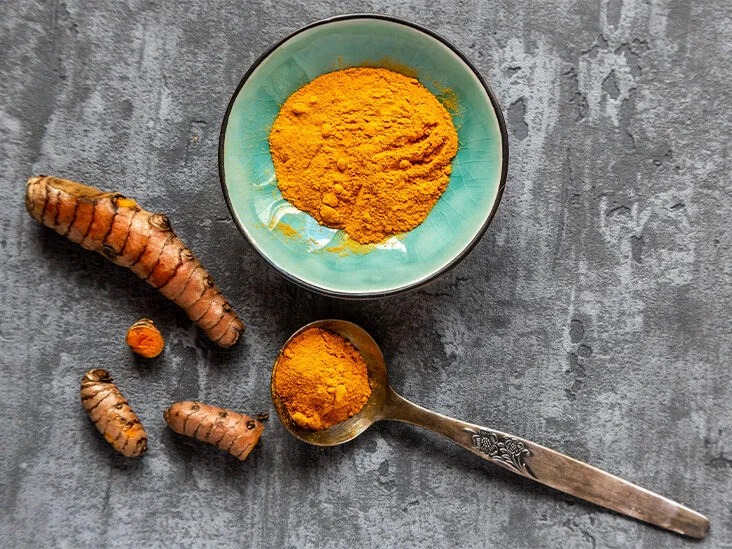
Turmeric has been used for thousands of years in traditional wellness practices and remains one of the most researched spices in modern nutrition. Known for its vibrant golden-yellow color and earthy flavor, turmeric is a staple ingredient in many Asian cuisines and herbal remedies.
The primary active compound in turmeric is curcumin, a naturally occurring polyphenol that has attracted significant scientific attention for its antioxidant and anti-inflammatory properties. While turmeric has long been used in traditional Ayurvedic and Chinese medicine, researchers continue to investigate its potential role in supporting overall health.
In this article, we’ll explore the evidence-backed benefits of turmeric, its possible side effects, and how to safely incorporate it into your daily routine.
What Is Turmeric?
Turmeric comes from the root of the Curcuma longa plant, which belongs to the ginger family. It has been used traditionally to support digestive health, skin health, joint comfort, and general well-being.
While turmeric contains several beneficial compounds, curcumin is considered the most biologically active ingredient. However, curcumin naturally has low bioavailability, meaning the body does not absorb it easily. This is why many supplements combine curcumin with black pepper extract (piperine) or healthy fats to improve absorption.
Health Benefits of Turmeric
1. May Help Reduce Inflammation
Inflammation is a natural immune response that helps the body heal from injury and infection. However, chronic inflammation has been linked to various health conditions, including heart disease, arthritis, diabetes, and autoimmune disorders.
Research suggests that curcumin may help regulate inflammatory pathways in the body. Some studies have shown promising results in individuals with inflammatory conditions such as ulcerative colitis.
For example, certain clinical studies indicate that curcumin supplementation, when used alongside prescribed treatment, may help some people maintain remission in ulcerative colitis. However, more research is needed to determine its effectiveness during active disease flare-ups.
2. May Support Heart Health
Heart disease remains one of the leading causes of death worldwide. Scientists have explored whether curcumin can contribute to cardiovascular health through its anti-inflammatory and antioxidant effects.
Research suggests that curcumin may help improve endothelial function, which refers to the health of the thin lining inside blood vessels. Healthy endothelial function plays an important role in regulating blood pressure, blood flow, and vascular health.
While early findings are encouraging, turmeric should not be viewed as a replacement for established heart-healthy habits such as regular exercise, a balanced diet, and medical treatment when necessary.
3. Provides Powerful Antioxidant Support
Oxidative stress occurs when there is an imbalance between free radicals and antioxidants in the body. Over time, oxidative damage may contribute to aging and the development of chronic diseases.
Curcumin functions as a natural antioxidant that may help neutralize harmful free radicals. Some research also suggests that curcumin may stimulate the body’s own antioxidant enzymes, potentially providing additional protection against cellular damage.
This dual action makes turmeric one of the most widely studied natural antioxidants available.
4. May Support Healthy Blood Sugar Management
Several laboratory and animal studies suggest that curcumin may influence blood sugar regulation and insulin sensitivity.
Researchers have investigated curcumin’s potential role in preventing complications associated with diabetes, including diabetic kidney disease and cardiovascular issues. While some human studies show promising outcomes, more large-scale clinical trials are needed before turmeric can be recommended as a treatment for diabetes.
Individuals with diabetes should continue following their healthcare provider’s recommendations and discuss any supplement use with their doctor.
5. May Support Brain Health and Memory
Scientists are increasingly interested in the connection between inflammation, oxidative stress, and cognitive decline.
Some clinical research has found that curcumin supplementation may support memory performance and cognitive function in older adults without dementia. Researchers believe its anti-inflammatory and antioxidant effects may contribute to these benefits.
There is also ongoing research into whether curcumin may play a role in reducing the risk of neurodegenerative conditions such as Alzheimer’s disease. However, current evidence remains preliminary, and more studies are required.
6. May Promote Healthier Skin
Turmeric has been used traditionally for centuries in skincare and beauty rituals.
Due to its anti-inflammatory, antioxidant, and antimicrobial properties, turmeric may help support skin health. Researchers have studied its potential benefits for conditions such as:
- Acne
- Eczema
- Psoriasis
- Skin aging
- Hyperpigmentation
While some studies suggest positive effects, more high-quality clinical research is needed before definitive conclusions can be made.
Turmeric may complement a healthy skincare routine, but it should not replace professional medical treatment for serious skin conditions.
7. May Help Improve Cholesterol Levels
Several studies have examined turmeric’s effects on cholesterol and cardiovascular risk factors.
Some research suggests that curcumin may help lower levels of LDL (“bad”) cholesterol and triglycerides. However, study results have been mixed, with other research finding little or no significant effect.
Although turmeric may support overall cardiovascular health, it should not be considered a substitute for prescribed cholesterol-lowering medications.
8. May Help Relieve Arthritis Symptoms
Arthritis affects millions of people worldwide and often causes joint pain, stiffness, and inflammation.
Because curcumin possesses anti-inflammatory properties, researchers have explored its potential role in managing arthritis symptoms.
Several studies have reported improvements in pain and joint function among individuals with osteoarthritis and rheumatoid arthritis who used curcumin supplements. Some findings even suggest that curcumin may perform similarly to certain anti-inflammatory medications in specific situations.
However, treatment results vary, and anyone with arthritis should consult a healthcare professional before adding supplements to their routine.
How to Add Turmeric to Your Diet
Adding turmeric to your daily diet is simple and versatile.
Popular ways to consume turmeric include:
- Adding it to curries and soups
- Mixing it into smoothies
- Preparing golden milk (turmeric milk)
- Using it in rice dishes
- Adding it to roasted vegetables
- Taking turmeric or curcumin supplements
To improve absorption, turmeric is often paired with:
- Black pepper (piperine)
- Coconut oil
- Olive oil
- Avocado
- Nuts and seeds
Possible Side Effects of Turmeric
Turmeric is generally considered safe when consumed in normal food amounts.
However, high-dose turmeric or curcumin supplements may cause side effects in some individuals, including:
- Nausea
- Diarrhea
- Stomach discomfort
- Headaches
- Dizziness
- Yellow-colored stool
Certain individuals should exercise caution, especially those who:
- Take blood-thinning medications
- Have gallbladder disease
- Are preparing for surgery
- Take medications for diabetes
- Use certain antidepressants or antibiotics
Always consult a qualified healthcare provider before starting turmeric supplements, especially if you have an existing medical condition or take prescription medications.
Final Thoughts
Turmeric is more than just a flavorful kitchen spice. Its active compound, curcumin, has shown promising anti-inflammatory and antioxidant properties that may support heart health, joint comfort, cognitive function, skin health, and overall wellness.
While research continues to uncover new potential benefits, turmeric should be viewed as part of a healthy lifestyle rather than a cure-all solution. Consuming turmeric regularly as part of a balanced diet may contribute to long-term health, but supplements should always be used responsibly and under professional guidance.
Frequently Asked Questions (FAQs)
1. Is it safe to take turmeric every day?
Yes, turmeric is generally safe when consumed daily in food. However, high-dose supplements may not be suitable for everyone and should be taken under medical supervision.
2. What is the best way to absorb turmeric?
Turmeric is absorbed more effectively when consumed with black pepper (piperine) and healthy fats such as olive oil, coconut oil, or avocado.
3. Can turmeric reduce inflammation?
Research suggests that curcumin, the active compound in turmeric, may help reduce inflammation by influencing several inflammatory pathways in the body.
4. Is turmeric good for arthritis?
Several studies indicate that curcumin may help reduce joint pain and stiffness associated with certain forms of arthritis, particularly osteoarthritis and rheumatoid arthritis.
5. Can turmeric improve memory?
Some clinical research suggests that curcumin may support memory and cognitive function, particularly in older adults. More research is needed to confirm long-term benefits.
6. Does turmeric help lower cholesterol?
Some studies suggest turmeric may help improve cholesterol levels, but results remain mixed and further research is required.
7. Can turmeric help people with diabetes?
Preliminary research suggests curcumin may support blood sugar regulation, but it should not replace prescribed diabetes treatments.
8. Is turmeric good for skin health?
Turmeric’s antioxidant and anti-inflammatory properties may support healthier skin and help manage certain skin concerns, though more research is needed.
9. Who should avoid turmeric supplements?
People taking blood thinners, individuals with gallbladder problems, pregnant women, and those scheduled for surgery should consult a healthcare professional before using turmeric supplements.
10. What is the difference between turmeric and curcumin?
Turmeric is the whole spice derived from the root of the Curcuma longa plant, while curcumin is one of the main active compounds found within turmeric responsible for many of its potential health benefits.

Hi, I’m Amrita Pandey. I specialize in writing about health, pregnancy, yoga, natural remedies, beverages, fruits, and vegetables. I enjoy creating clear, well-researched content that helps readers make informed decisions and build healthier everyday habits.