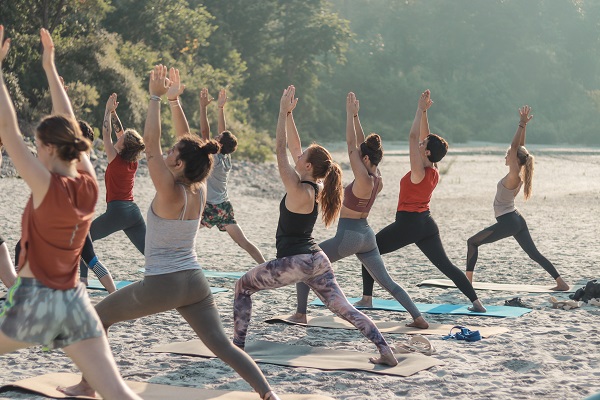
Yoga has evolved from an ancient spiritual practice into a globally recognized approach to physical fitness, mental well-being, and holistic health. Millions of people practice yoga not only to improve flexibility and reduce stress but also to support their weight management goals.
One of the most common questions beginners ask is: Can yoga help reduce belly fat?
The answer is yes—but perhaps not in the way many people expect. Yoga alone is not a magic solution for spot-reducing fat from a specific area of the body. However, when practiced consistently alongside a healthy diet and active lifestyle, yoga can support weight loss, improve metabolism, strengthen the core, and help reduce overall body fat, including abdominal fat.
In this guide, we’ll explore how yoga contributes to weight management and highlight some effective yoga poses that can help strengthen the abdominal muscles and improve overall fitness.
Can Yoga Really Help You Lose Belly Fat?
Contrary to popular belief, it is not possible to target fat loss from a specific body part through exercise alone. Belly fat is reduced when your body burns more calories than it consumes over time.
Yoga supports this process in several ways:
Increases Physical Activity
Dynamic styles of yoga such as Vinyasa Flow, Power Yoga, and Ashtanga Yoga involve continuous movement, which can increase heart rate and calorie expenditure.
Builds Lean Muscle
Many yoga postures require you to support your body weight, helping build muscle strength. Increased muscle mass can contribute to a healthier metabolism.
Reduces Stress
Chronic stress can increase cortisol levels, which may contribute to weight gain, particularly around the abdominal area. Yoga and meditation help promote relaxation and stress management.
Encourages Mindful Eating
Regular yoga practice increases body awareness and mindfulness, helping many people develop healthier eating habits and make better food choices.
Why Core Strength Matters
A strong core does much more than improve appearance.
Core-strengthening yoga poses can help:
- Improve posture
- Support spinal health
- Enhance balance and stability
- Reduce lower back discomfort
- Improve athletic performance
- Strengthen abdominal muscles
While strengthening the core won’t directly burn belly fat, it can create a firmer and more toned midsection as overall body fat decreases.
Best Yoga Poses for Strengthening the Core and Supporting Weight Loss
1. Side Stretch Pose
Side stretches help improve flexibility and engage the muscles along the waist and torso.
How to Practice
- Stand upright with your feet hip-width apart.
- Raise your right arm overhead.
- Gently bend your body toward the left side.
- Hold for several breaths.
- Return to center and repeat on the opposite side.
Benefits
- Improves flexibility
- Stretches the side body
- Engages oblique muscles
- Enhances posture
2. Straight Leg Lift
This simple movement activates the lower abdominal muscles and improves core control.
How to Practice
- Lie flat on your back on a yoga mat.
- Keep your legs together and straight.
- Slowly raise both legs toward the ceiling.
- Hold briefly while maintaining control.
- Lower your legs slowly without arching the back.
Benefits
- Strengthens lower abdominal muscles
- Improves core stability
- Enhances body awareness
3. Locust Pose (Salabhasana)
Locust Pose is a traditional yoga posture that strengthens the back body while engaging the core.
How to Practice
- Lie face down on your mat.
- Extend your arms alongside your body.
- Inhale and lift your chest, arms, and legs off the floor.
- Hold for several breaths.
- Lower slowly and repeat.
Benefits
- Strengthens the back muscles
- Engages the core
- Improves posture
- Enhances spinal support
4. Bridge Pose (Setu Bandhasana)
Bridge Pose is one of the most effective yoga poses for strengthening the core, glutes, and lower back.
How to Practice
- Lie on your back with knees bent.
- Place your feet flat on the floor, hip-width apart.
- Press through your feet and lift your hips toward the ceiling.
- Keep your shoulders grounded.
- Hold for several breaths before lowering slowly.
Benefits
- Strengthens the abdomen
- Activates glutes and hamstrings
- Improves spinal mobility
- Supports lower back health
5. Modified Wheel Pose
This variation of Wheel Pose helps improve flexibility while engaging the core and lower body.
How to Practice
- Lie on your back with knees bent.
- Keep your feet firmly planted on the mat.
- Lift your hips upward while engaging your core.
- Hold comfortably before lowering slowly.
Benefits
- Strengthens the lower body
- Engages core muscles
- Improves mobility
- Builds overall body strength
Additional Yoga Poses for a Stronger Core
To further support your fitness goals, consider adding:
Plank Pose
- Strengthens the entire core
- Improves shoulder stability
- Builds endurance
Boat Pose (Navasana)
- Activates abdominal muscles
- Improves balance
- Strengthens hip flexors
Dolphin Plank
- Enhances core engagement
- Strengthens shoulders and arms
- Builds stability
Tips to Maximize Weight Loss Through Yoga
To achieve the best results, combine yoga with healthy lifestyle habits.
Practice Consistently
Aim for at least 3–5 yoga sessions per week.
Choose Dynamic Yoga Styles
Vinyasa, Power Yoga, and Ashtanga Yoga can provide a more intense workout compared to restorative styles.
Maintain a Balanced Diet
Nutrition plays a significant role in weight management. Focus on whole foods, lean proteins, vegetables, fruits, and adequate hydration.
Include Meditation
Stress management is an important part of sustainable weight loss. Meditation and breathwork can support emotional well-being and mindful habits.
Get Adequate Sleep
Quality sleep supports recovery, hormone balance, and healthy metabolism.
Can Yoga Teacher Training Help Improve Fitness?
Many people discover significant physical and mental benefits during a Yoga Teacher Training Course (YTTC). These programs typically include daily yoga practice, meditation, pranayama, and lifestyle education that can support healthier habits and long-term wellness.
Whether your goal is personal growth or becoming a yoga instructor, yoga teacher training can deepen your understanding of movement, mindfulness, and overall health.
Final Thoughts
Yoga can be an effective tool for supporting weight management, strengthening the core, and improving overall health. While it may not directly target belly fat, regular practice can help reduce overall body fat, improve muscle tone, increase mindfulness, and encourage healthier lifestyle choices.
The key is consistency. Combined with proper nutrition, adequate sleep, and a balanced lifestyle, yoga can become a sustainable and enjoyable part of your fitness journey.
Frequently Asked Questions (FAQs)
1. Can yoga reduce belly fat?
Yoga can help support overall weight loss and improve core strength. While it cannot specifically target belly fat, consistent practice combined with a healthy lifestyle may contribute to reduced abdominal fat over time.
2. Which type of yoga is best for weight loss?
Dynamic styles such as Vinyasa Yoga, Power Yoga, and Ashtanga Yoga generally burn more calories and can support weight management goals.
3. How often should I practice yoga for weight loss?
Practicing yoga 3–5 times per week, along with healthy eating habits, can support sustainable weight loss and fitness improvements.
4. Is yoga enough to lose weight?
Yoga can be an effective part of a weight management plan, but results are typically best when combined with a balanced diet, regular physical activity, and healthy lifestyle habits.
5. Which yoga pose is best for core strength?
Plank Pose, Boat Pose, Bridge Pose, and Locust Pose are commonly practiced to strengthen the core muscles.
6. Can beginners use yoga for weight loss?
Absolutely. Beginners can start with basic yoga classes and gradually progress to more active styles as strength and confidence improve.
7. Does yoga help improve metabolism?
Regular yoga practice may support metabolic health by building muscle, increasing activity levels, and helping manage stress.
8. How long does it take to see results from yoga?
Results vary depending on consistency, lifestyle habits, and individual goals. Many practitioners notice improvements in flexibility, strength, and energy within a few weeks of regular practice.

Hi, I’m Amrita Pandey. I specialize in writing about health, pregnancy, yoga, natural remedies, beverages, fruits, and vegetables. I enjoy creating clear, well-researched content that helps readers make informed decisions and build healthier everyday habits.