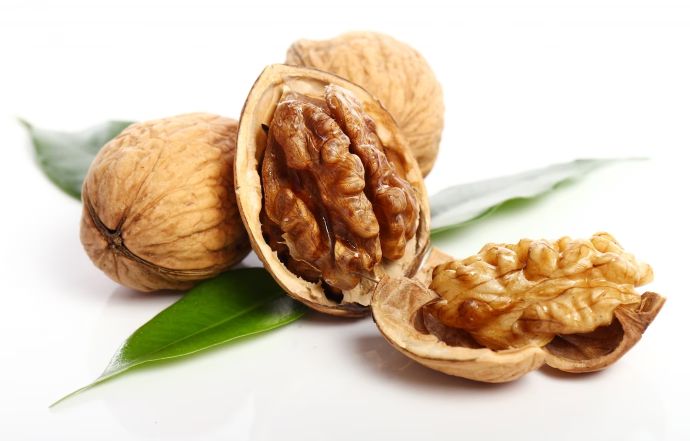
Walnuts are often considered one of the healthiest nuts you can include in your diet. Known for their distinctive brain-like shape and rich, earthy flavor, walnuts are nutritional powerhouses packed with healthy fats, antioxidants, vitamins, minerals, and plant compounds that support overall health.
Unlike many other nuts, walnuts are particularly rich in omega-3 fatty acids, making them unique among tree nuts. Research has linked regular walnut consumption to numerous health benefits, including improved heart health, better brain function, enhanced gut health, and support for healthy aging.
In this article, we’ll explore the nutritional profile of walnuts, their evidence-based health benefits, and practical ways to incorporate them into your daily diet.
Nutritional Value of Walnuts
Walnuts provide an impressive combination of nutrients in a relatively small serving.
A one-ounce (28-gram) serving of walnuts contains:
- Healthy fats
- Plant-based protein
- Dietary fiber
- Magnesium
- Phosphorus
- Copper
- Manganese
- Vitamin B6
- Folate
- Antioxidants
Rich in Omega-3 Fatty Acids
Walnuts are the only commonly consumed tree nut that provides significant amounts of alpha-linolenic acid (ALA), a plant-based omega-3 fatty acid.
ALA is considered an essential fat because the body cannot produce it on its own and must obtain it through food.
1. Supports Heart Health
Heart-Friendly Nutrients
Heart disease remains one of the leading health concerns worldwide, and diet plays a major role in cardiovascular wellness.
Walnuts contain several heart-supportive nutrients, including:
- Omega-3 fatty acids
- Fiber
- Magnesium
- Potassium
- Antioxidants
Potential Benefits
Research suggests that regular walnut consumption may help:
- Improve cholesterol levels
- Support healthy blood vessel function
- Reduce inflammation
- Promote overall cardiovascular health
When consumed as part of a balanced diet, walnuts may contribute to a healthier heart.
2. May Help Improve Cholesterol Levels
Balancing Blood Lipids
Several studies have found that walnuts may help improve lipid profiles.
Potential benefits include:
- Lower LDL (“bad”) cholesterol
- Reduced total cholesterol
- Improved cholesterol balance
The combination of healthy fats, fiber, and plant sterols likely contributes to these effects.
Why This Matters
Maintaining healthy cholesterol levels is an important factor in reducing long-term cardiovascular risk.
3. Rich Source of Antioxidants
Fighting Oxidative Stress
Walnuts contain high levels of antioxidants, including:
- Polyphenols
- Vitamin E compounds
- Melatonin
- Ellagic acid
These antioxidants help neutralize free radicals that can damage cells and contribute to aging and chronic disease.
Antioxidant Power
Research suggests walnuts contain some of the highest antioxidant activity among commonly consumed nuts.
4. Supports Brain Health
Nutrients for Cognitive Function
Walnuts contain nutrients associated with brain health, including:
- Omega-3 fatty acids
- Polyphenols
- Vitamin E
- Folate
Potential Cognitive Benefits
Research has explored whether walnut consumption may help support:
- Memory
- Learning
- Cognitive performance
- Healthy brain aging
While more studies are needed, walnuts are often included in dietary patterns associated with brain health.
5. May Help Support Healthy Blood Sugar Levels
Beneficial Fats and Fiber
Walnuts contain healthy fats, fiber, and protein, which may help slow digestion and improve satiety.
These characteristics can support:
- Blood sugar stability
- Insulin sensitivity
- Healthy metabolic function
Diabetes Research
Some studies have linked regular nut consumption with a lower risk of developing type 2 diabetes when incorporated into a healthy lifestyle.
6. May Help Reduce Inflammation
Chronic Inflammation and Health
Long-term inflammation is associated with various chronic conditions, including:
- Heart disease
- Type 2 diabetes
- Certain cancers
- Arthritis
Anti-Inflammatory Compounds
The omega-3 fatty acids and polyphenols in walnuts may help reduce inflammatory markers in the body and support overall wellness.
7. Supports Healthy Weight Management
Nutrient-Dense and Filling
Although walnuts are calorie-dense, they can still be part of a healthy weight-management plan.
Their combination of:
- Protein
- Fiber
- Healthy fats
helps promote feelings of fullness and satisfaction.
Appetite Control
Research suggests that nuts may help reduce hunger and improve dietary adherence by increasing satiety.
8. May Help the Body Manage Stress
Nutritional Support for Stress Response
Walnuts provide nutrients that support healthy nervous system function, including:
- Magnesium
- Omega-3 fatty acids
- Antioxidants
Some studies suggest that diets including walnuts may support healthier physiological responses to stress.
While walnuts are not a treatment for stress or anxiety, they can contribute to an overall nutrient-rich eating pattern that supports mental well-being.
9. Supports Gut Health
Feeding Beneficial Gut Bacteria
Emerging research suggests that walnuts may positively influence the gut microbiome.
The fiber and plant compounds in walnuts can serve as fuel for beneficial gut bacteria.
Potential Benefits
A healthy gut microbiome may contribute to:
- Improved digestion
- Enhanced immune function
- Better metabolic health
10. May Support Healthy Aging
Protecting Cells Over Time
The antioxidants, omega-3 fatty acids, and anti-inflammatory compounds in walnuts may help protect cells from age-related damage.
Potential benefits include support for:
- Brain function
- Heart health
- Physical function
- Overall vitality
Healthy aging is influenced by many factors, but nutrient-rich foods like walnuts can play an important role.
How to Add Walnuts to Your Diet
Walnuts are versatile and easy to incorporate into meals and snacks.
Breakfast Ideas
Add walnuts to:
- Oatmeal
- Yogurt
- Smoothies
- Whole-grain cereal
Lunch and Dinner
Sprinkle walnuts on:
- Salads
- Roasted vegetables
- Grain bowls
Snacks
Enjoy walnuts:
- On their own
- Mixed with dried fruit
- As part of homemade trail mix
Baking
Use chopped walnuts in:
- Muffins
- Whole-grain breads
- Healthy desserts
Are There Any Side Effects?
Walnuts are generally safe for most people.
However, some individuals should exercise caution.
Possible Considerations
- Tree nut allergies
- Calorie intake concerns
- Digestive discomfort if consumed in very large quantities
People with nut allergies should avoid walnuts entirely and consult an allergy specialist.
Frequently Asked Questions (FAQ)
Are walnuts healthy?
Yes. Walnuts are highly nutritious and provide healthy fats, fiber, protein, antioxidants, and important vitamins and minerals.
What makes walnuts different from other nuts?
Walnuts are particularly rich in alpha-linolenic acid (ALA), a plant-based omega-3 fatty acid not found in significant amounts in most other tree nuts.
Can walnuts help lower cholesterol?
Research suggests that regular walnut consumption may help improve cholesterol levels as part of a heart-healthy diet.
Are walnuts good for the brain?
Walnuts contain omega-3 fatty acids and antioxidants that may support cognitive function and healthy brain aging.
Can walnuts help with weight loss?
Walnuts may support weight management by promoting satiety and helping control hunger when eaten in appropriate portions.
Are walnuts good for people with diabetes?
Walnuts may support blood sugar management due to their healthy fats, fiber, and low carbohydrate content.
How many walnuts should I eat per day?
Many studies use approximately one ounce (28 grams) daily, which equals about a handful of walnuts.
Do walnuts reduce inflammation?
The omega-3 fatty acids and antioxidants in walnuts may help reduce inflammatory markers in the body.
Are roasted walnuts as healthy as raw walnuts?
Both can be nutritious, but excessive roasting may slightly reduce some antioxidant content. Unsalted varieties are generally preferred.
Can walnuts improve gut health?
Emerging research suggests that walnuts may help support beneficial gut bacteria and contribute to digestive wellness.
Conclusion
Walnuts are among the most nutrient-dense foods available, offering a unique combination of omega-3 fatty acids, antioxidants, fiber, protein, and essential minerals. Their potential benefits extend across multiple areas of health, including heart health, brain function, blood sugar management, digestive wellness, and healthy aging.
While no single food can prevent disease or guarantee optimal health, incorporating walnuts into a balanced diet is a simple and evidence-based way to improve overall nutrition. Whether enjoyed as a snack, added to meals, or incorporated into healthy recipes, walnuts provide both exceptional flavor and impressive health benefits.
A handful of walnuts each day can be a smart investment in your long-term health and well-being.

Hi, I’m Amrita Pandey. I specialize in writing about health, pregnancy, yoga, natural remedies, beverages, fruits, and vegetables. I enjoy creating clear, well-researched content that helps readers make informed decisions and build healthier everyday habits.