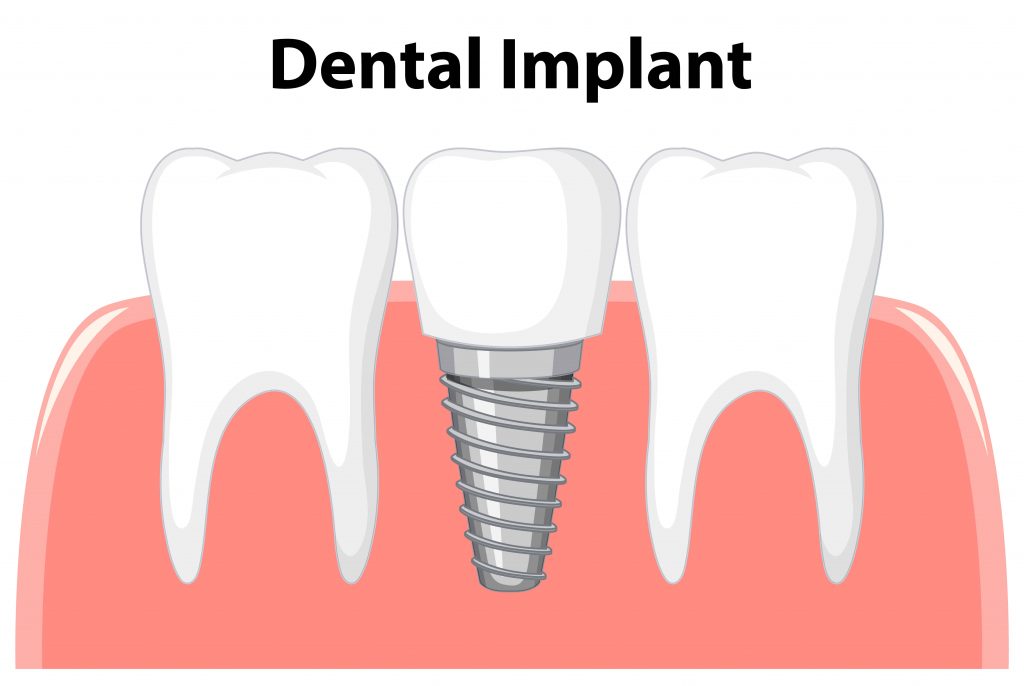
Dental implants are one of the most effective and long-lasting solutions for replacing missing teeth. However, the success of your treatment depends largely on choosing an experienced and qualified dental implant specialist.
If you’ve recently moved to a new city or are searching for a trusted implant dentist, knowing what to look for can help you make an informed decision.
What Are Dental Implants?
Dental implants are artificial tooth roots, typically made from titanium, that are surgically placed into the jawbone. Once the implant integrates with the bone, a dental crown, bridge, or denture can be attached to restore the appearance and function of missing teeth.
Benefits of dental implants include:
- Natural appearance
- Improved chewing ability
- Long-term durability
- Preservation of jawbone structure
- Enhanced confidence and speech
Why Choosing the Right Implant Dentist Matters
Dental implant treatment involves careful planning, surgical precision, and long-term follow-up care. Selecting a qualified provider can significantly improve treatment outcomes and reduce the risk of complications.
How to Find the Best Dental Implant Specialist
1. Ask for Recommendations
Personal recommendations can be valuable when searching for a new dentist.
Consider asking:
- Family members
- Friends
- Co-workers
- Neighbors
- Your current dentist (if relocating)
People who have undergone implant treatment can often provide helpful insights into their experiences.
2. Check Professional Qualifications
Look for dentists with advanced training in:
- Implant dentistry
- Oral surgery
- Prosthodontics
- Periodontics
Additional certifications and continuing education in implant procedures may indicate specialized expertise.
3. Read Patient Reviews
Online reviews can provide useful information about:
- Patient satisfaction
- Treatment quality
- Office environment
- Communication style
- Post-treatment care
Focus on overall patterns rather than individual reviews.
4. Schedule a Consultation
Before committing to treatment, arrange an initial consultation.
Use this appointment to discuss:
- Treatment options
- Expected outcomes
- Risks and benefits
- Recovery process
- Total costs
A reputable dentist will answer your questions clearly and explain the procedure in detail.
5. Ask About Technology and Diagnostic Tools
Modern dental implant practices often use advanced technology such as:
- Digital X-rays
- 3D CBCT scans
- Computer-guided implant planning
- Digital impressions
These tools can improve treatment accuracy and planning.
6. Review Before-and-After Cases
Many implant specialists maintain portfolios showcasing previous treatments.
Reviewing real patient cases can help you evaluate:
- Aesthetic results
- Complexity of cases handled
- Consistency of outcomes
7. Verify Insurance and Financing Options
Dental implants can represent a significant investment.
Ask about:
- Insurance coverage
- Payment plans
- Financing options
- Consultation fees
Understanding costs upfront helps avoid surprises later.
Questions to Ask During Your Consultation
Before choosing a dental implant provider, consider asking:
- How many dental implant procedures have you performed?
- What is your success rate?
- Am I a good candidate for dental implants?
- Will I need bone grafting?
- What are the risks involved?
- How long will treatment take?
- What type of implant system do you use?
Signs of a Reputable Dental Implant Clinic
Look for a practice that:
- Has experienced implant providers
- Offers comprehensive consultations
- Uses modern technology
- Provides transparent pricing
- Maintains strong patient reviews
- Explains treatment plans clearly
Are Dental Implants Worth It?
Dental implants are often considered the gold standard for replacing missing teeth because they provide:
- Stability
- Durability
- Natural appearance
- Long-term oral health benefits
With proper care, dental implants can last for many years.
Final Thoughts
Finding the best dental implant specialist requires research, consultation, and careful consideration of qualifications and experience. By asking the right questions and reviewing your options, you can choose a provider who meets your needs and helps you achieve a healthy, confident smile.
Medical Disclaimer
This article is for educational purposes only and should not replace professional dental advice. Consult a qualified dentist or dental implant specialist to determine the most appropriate treatment for your individual needs.
FAQs
1. What are dental implants?
Dental implants are titanium posts placed into the jawbone to support replacement teeth such as crowns, bridges, or dentures.
2. How do I choose the best dental implant dentist?
Look for experience, specialized training, patient reviews, advanced technology, and transparent treatment planning.
3. How long do dental implants last?
With proper oral hygiene and regular dental care, dental implants can last for many years and often decades.
4. Are dental implants painful?
Most patients report minimal discomfort during the procedure due to local anesthesia and modern surgical techniques.
5. Who is a good candidate for dental implants?
Candidates generally need healthy gums, sufficient jawbone density, and good overall oral health.
6. How much do dental implants cost?
Costs vary depending on location, complexity, materials used, and whether additional procedures such as bone grafting are required.
7. What is the success rate of dental implants?
Dental implants have a high success rate when placed by qualified professionals and maintained properly.
8. How long does dental implant treatment take?
Treatment timelines vary but often range from several months to a year depending on healing and additional procedures.
9. Can smokers get dental implants?
Yes, but smoking may increase the risk of implant complications and affect healing.
10. Are dental implants better than dentures?
Dental implants often provide greater stability and bone preservation, but the best option depends on individual circumstances.

Hi, I’m Amrita Pandey. I specialize in writing about health, pregnancy, yoga, natural remedies, beverages, fruits, and vegetables. I enjoy creating clear, well-researched content that helps readers make informed decisions and build healthier everyday habits.