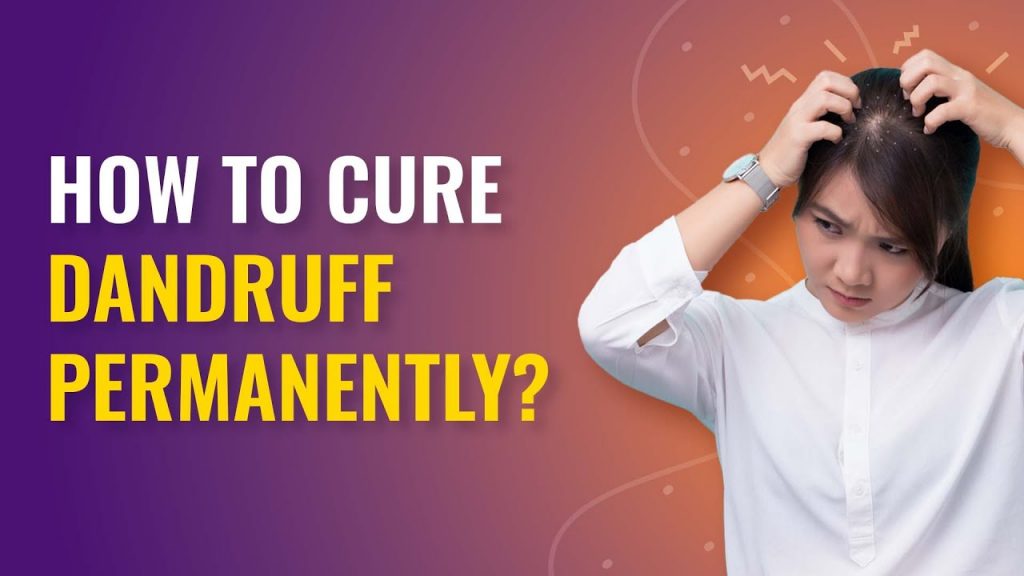
Dandruff is one of the most common scalp conditions, affecting millions of people worldwide. It often appears as white or yellow flakes on the scalp and shoulders and may be accompanied by itching, irritation, or redness.
While dandruff is not usually a serious medical condition, it can be frustrating, uncomfortable, and sometimes affect self-confidence. Fortunately, both medicated treatments and natural remedies may help manage dandruff and improve overall scalp health.
In this guide, we’ll explore the causes of dandruff, effective treatment options, and natural ways to support a healthier scalp.
What Causes Dandruff?
Dandruff can develop for several reasons, including:
- Seborrheic dermatitis (an oily, irritated scalp)
- Overgrowth of a naturally occurring scalp yeast called Malassezia
- Dry skin
- Product buildup on the scalp
- Sensitivity to hair care products
- Infrequent shampooing
- Certain skin conditions such as eczema or psoriasis
Understanding the underlying cause is important because different types of dandruff may require different treatment approaches.
Common Symptoms of Dandruff
Signs of dandruff may include:
- White or yellow scalp flakes
- Itchy scalp
- Oily patches on the scalp
- Mild redness or irritation
- Flakes on clothing, especially dark-colored clothes
If symptoms are severe or persistent, consult a dermatologist for proper diagnosis and treatment.
1. Use Medicated Anti-Dandruff Shampoos
One of the most effective ways to control dandruff is by using specially formulated anti-dandruff shampoos.
Ingredients Commonly Recommended
Zinc Pyrithione
Helps reduce yeast growth and may decrease scalp flaking and irritation.
Selenium Sulfide
Helps slow skin cell turnover and reduce dandruff symptoms.
Ketoconazole
An antifungal ingredient often recommended for persistent dandruff.
Salicylic Acid
Helps loosen and remove scalp flakes.
How to Use
- Apply the shampoo to the scalp.
- Leave it on for several minutes before rinsing.
- Follow product instructions carefully.
- Alternate products if recommended by your healthcare provider.
Consistency is often key to achieving noticeable results.
2. Moisturize the Scalp
A dry scalp can sometimes worsen flaking and irritation.
Vitamin E Oil
Vitamin E contains antioxidant properties and may help moisturize dry skin.
To use:
- Apply a small amount to the scalp.
- Gently massage into affected areas.
- Leave for a short period before washing if desired.
While vitamin E may support scalp hydration, evidence regarding its effectiveness specifically for dandruff remains limited.
3. Focus on Nutrient-Rich Foods
Nutrition plays an important role in maintaining healthy skin and scalp function.
Nutrients That Support Scalp Health
Biotin
Found in:
- Eggs
- Nuts
- Seeds
- Whole grains
Vitamin B12
Found in:
- Fish
- Meat
- Dairy products
- Fortified foods
Vitamin A
Found in:
- Sweet potatoes
- Carrots
- Spinach
- Kale
A balanced diet is generally more beneficial than taking supplements unless a deficiency has been diagnosed by a healthcare professional.
4. Try Burdock Root as a Traditional Hair Rinse
Burdock root has been used in traditional herbal practices for centuries.
Potential Benefits
Burdock root contains:
- Antioxidants
- Plant compounds
- Essential nutrients
Some individuals use burdock root tea as a hair rinse to support scalp health.
How to Prepare
- Simmer dried burdock root in water.
- Allow the mixture to cool.
- Strain thoroughly.
- Use as a final hair rinse after shampooing.
Scientific evidence supporting burdock root specifically for dandruff remains limited, but some people find it beneficial as part of their scalp care routine.
5. Consider Tea Tree Oil Carefully
Tea tree oil is widely used in hair and scalp products because of its antimicrobial properties.
Potential Benefits
Some studies suggest tea tree oil may help reduce dandruff symptoms in certain individuals.
Important Safety Note
Tea tree oil should never be applied directly to the scalp without dilution.
To use safely:
- Mix a few drops with a carrier oil or shampoo.
- Perform a patch test first.
- Stop use if irritation occurs.
Individuals with sensitive skin should use caution.
6. Wash Your Hair Regularly
Proper scalp hygiene can help manage dandruff.
Benefits of Regular Washing
- Removes excess oil
- Reduces product buildup
- Helps remove flakes
- Supports a healthier scalp environment
The ideal washing frequency varies depending on hair type, scalp condition, and lifestyle.
7. Manage Stress Levels
Stress does not directly cause dandruff, but it may worsen symptoms in some individuals.
Stress Management Techniques
- Yoga
- Meditation
- Deep breathing exercises
- Regular physical activity
- Adequate sleep
Reducing stress may contribute to improved overall skin and scalp health.
Foods That May Support Scalp Health
A healthy diet can complement your dandruff treatment plan.
Include More Of:
- Fresh fruits
- Vegetables
- Fatty fish
- Nuts and seeds
- Whole grains
- Lean proteins
Limit Excessive Intake Of:
- Highly processed foods
- Sugary snacks
- Excessive fried foods
While diet alone cannot cure dandruff, it can support overall skin health.
What to Avoid When You Have Dandruff
Avoid Scratching the Scalp
Scratching can:
- Irritate the skin
- Increase inflammation
- Cause minor scalp injuries
- Potentially worsen symptoms
Avoid Excessively Oily Hair Products
Heavy oils and styling products may contribute to buildup and aggravate certain scalp conditions.
Don’t Ignore Persistent Symptoms
If dandruff does not improve despite treatment, professional evaluation may be necessary.
When Should You See a Doctor?
Consult a dermatologist if you experience:
- Severe itching
- Red or inflamed skin
- Painful scalp irritation
- Hair loss
- Persistent symptoms despite treatment
- Thick crusting or scaling
These symptoms may indicate a condition other than simple dandruff.
Final Thoughts
Dandruff is a common scalp condition that can often be managed with a combination of proper scalp care, medicated shampoos, healthy lifestyle habits, and targeted treatments.
While natural remedies such as tea tree oil and scalp moisturization may provide additional support, evidence-based treatments like anti-dandruff shampoos remain the most reliable option for many people.
If symptoms persist or become severe, seek advice from a qualified dermatologist to determine the underlying cause and the most appropriate treatment plan.
Frequently Asked Questions (FAQs)
1. What is the main cause of dandruff?
Dandruff is commonly associated with seborrheic dermatitis, excess scalp oil production, yeast overgrowth, dry skin, or sensitivity to hair care products.
2. Can dandruff be treated naturally?
Some people find relief using natural approaches such as tea tree oil, scalp moisturization, and maintaining a healthy diet. However, medicated shampoos often provide the most effective results.
3. How often should I wash my hair if I have dandruff?
This depends on your hair type and scalp condition, but regular washing can help remove excess oil and flakes.
4. Is tea tree oil effective for dandruff?
Some research suggests tea tree oil may help reduce dandruff symptoms, but it should always be diluted before use.
5. Does stress cause dandruff?
Stress does not directly cause dandruff but may worsen existing symptoms in some individuals.
6. Can vitamin deficiencies cause dandruff?
Certain nutrient deficiencies may affect scalp health, although dandruff usually has multiple contributing factors.
7. Should I scratch my scalp when it itches?
No. Scratching may irritate the scalp further and worsen symptoms.
8. When should I see a dermatologist for dandruff?
Seek medical advice if dandruff is severe, persistent, painful, or accompanied by redness, inflammation, or hair loss.

Hi, I’m Amrita Pandey. I specialize in writing about health, pregnancy, yoga, natural remedies, beverages, fruits, and vegetables. I enjoy creating clear, well-researched content that helps readers make informed decisions and build healthier everyday habits.