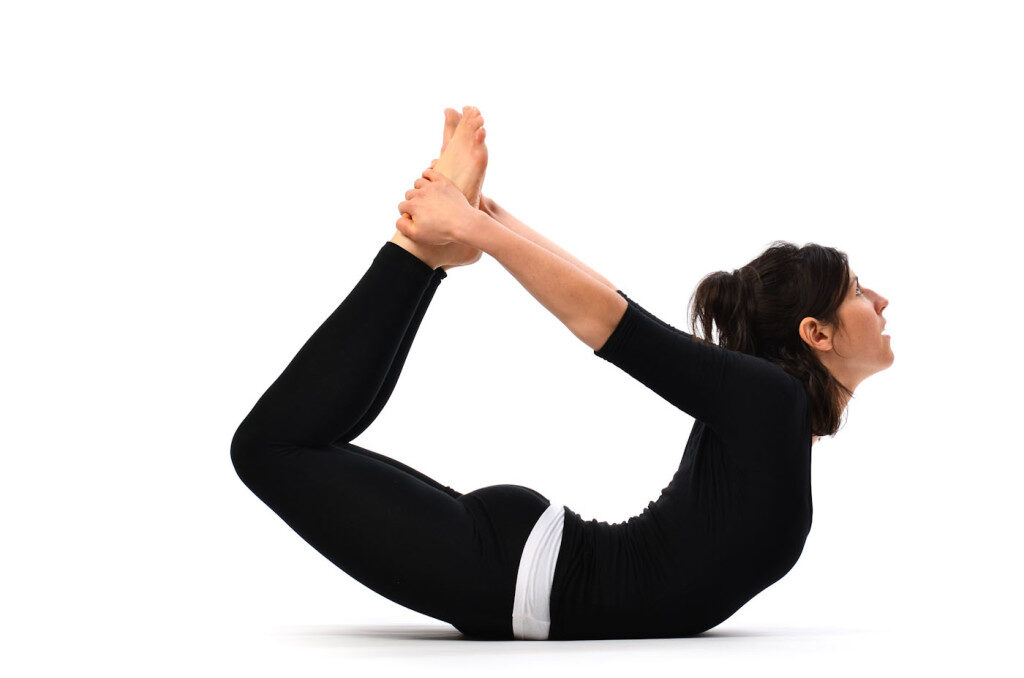
If you practice yoga regularly, you’ve probably heard an instructor say, “Use your breath to cultivate mindfulness.” While the concept sounds simple, being truly mindful takes practice. Modern life is filled with distractions, responsibilities, and constant mental chatter, making it difficult to stay present.
The good news is that mindfulness is a skill that can be developed over time. By incorporating a few simple practices into your yoga routine, you can strengthen your connection between mind and body and experience greater peace both on and off the mat.
What Is Mindfulness in Yoga?
Mindfulness is the practice of paying attention to the present moment without judgment. In yoga, mindfulness involves becoming aware of your breath, movements, thoughts, and emotions while remaining fully engaged in the experience.
Rather than focusing on achieving the perfect pose, mindfulness encourages you to listen to your body and honor where you are today.
1. Make Peace With Where You Are
Many of us spend our days striving for the next achievement, comparing ourselves to others, or wishing things were different. This mindset can create stress and prevent us from appreciating the present moment.
Yoga teaches us to accept ourselves exactly as we are.
Whether you feel energetic, tired, frustrated, or calm, try to acknowledge your current state without judgment. Instead of resisting your emotions, allow yourself to experience them and move through them with compassion.
Practice Tip:
Before class begins, take a deep breath and silently remind yourself:
“I accept where I am today.”
2. Focus on the Positive
Mindfulness doesn’t mean ignoring challenges. Instead, it involves choosing where to direct your attention.
Even on difficult days, there is usually something positive you can appreciate—a steady breath, a supportive teacher, a healthy body, or simply the opportunity to move.
When you intentionally focus on gratitude, your perspective begins to shift.
Practice Tip:
At the beginning of your yoga session, identify one thing you’re grateful for and carry that thought throughout your practice.
3. Embrace Vulnerability
Yoga often places us in unfamiliar situations.
Perhaps you’re trying a new pose, attending your first class, or practicing alongside more experienced students. These experiences can trigger feelings of self-consciousness and vulnerability.
Growth often happens when we step outside our comfort zones.
Instead of avoiding discomfort, acknowledge it and remain curious. Every challenge provides an opportunity to learn more about yourself.
Practice Tip:
When attempting a difficult pose, focus on exploration rather than perfection.
Remember:
“Progress matters more than perfection.”
4. Nurture Meaningful Connections
Mindfulness is not only about self-awareness. It also involves being present with others.
Yoga communities can provide encouragement, support, and inspiration. Taking a moment to connect with your instructor or fellow students can create a deeper sense of belonging and enhance your overall experience.
Human connection plays an important role in emotional well-being and personal growth.
Practice Tip:
Before or after class, introduce yourself to someone new or engage in a brief conversation with a fellow practitioner.
5. Approach Your Practice With Curiosity
Children naturally explore the world with curiosity, but many adults lose that sense of wonder over time.
Bringing curiosity to your yoga practice can transform the way you move and feel.
Instead of forcing your body into poses, ask yourself:
- How does this movement feel today?
- What does my body need right now?
- Can I soften my effort?
- Would a gentler variation serve me better?
Listening to your body without judgment is one of the most powerful forms of mindfulness.
Practice Tip:
If your body feels tired, choose rest without guilt. Child’s Pose can sometimes be exactly what your practice needs.
The Role of Breath in Mindfulness
Breath awareness is one of the most effective tools for cultivating mindfulness.
Whenever your mind begins to wander during practice:
- Slow down.
- Focus on your inhale.
- Follow your exhale.
- Return your attention to the present moment.
The breath acts as an anchor that helps bring awareness back to the here and now.
Benefits of Mindful Yoga Practice
Practicing mindfulness through yoga may help:
- Reduce stress
- Improve concentration
- Increase body awareness
- Support emotional well-being
- Encourage self-compassion
- Enhance relaxation
- Improve overall quality of life
Final Thoughts
Mindfulness is not something you achieve once and keep forever. It is a daily practice that develops over time.
By making peace with the present moment, focusing on gratitude, embracing vulnerability, nurturing connections, and approaching yoga with curiosity, you can create a more meaningful and rewarding practice.
The next time you step onto your mat, remember that mindfulness isn’t about doing more—it’s about being fully present with what already exists.
FAQs
1. What is mindfulness in yoga?
Mindfulness in yoga involves paying attention to your breath, movements, and thoughts while staying fully present during practice.
2. How does yoga improve mindfulness?
Yoga combines movement, breathing techniques, and awareness, helping practitioners develop greater focus and presence.
3. Can beginners practice mindful yoga?
Yes. Mindfulness can be practiced by yogis of all experience levels, including complete beginners.
4. Why is breath important in yoga?
Breath awareness helps calm the mind, improve concentration, and support mindful movement throughout a yoga session.
5. How can I stay present during yoga?
Focus on your breath, body sensations, and movements while gently bringing your attention back whenever your mind wanders.
6. What are the benefits of mindful yoga?
Benefits may include reduced stress, improved focus, better emotional regulation, increased flexibility, and greater self-awareness.
7. Is mindfulness the same as meditation?
Not exactly. Meditation is one way to practice mindfulness, but mindfulness can also be cultivated during activities such as yoga, walking, or breathing exercises.
8. How often should I practice mindful yoga?
Even a few minutes of mindful yoga several times per week can help build awareness and consistency.
9. Can mindfulness reduce stress?
Research suggests that mindfulness practices may help reduce stress and improve emotional well-being.
10. What is the best yoga style for mindfulness?
Gentle styles such as Hatha Yoga, Yin Yoga, Restorative Yoga, and Slow Flow Yoga are commonly used to encourage mindfulness and relaxation.

Hi, I’m Amrita Pandey. I specialize in writing about health, pregnancy, yoga, natural remedies, beverages, fruits, and vegetables. I enjoy creating clear, well-researched content that helps readers make informed decisions and build healthier everyday habits.