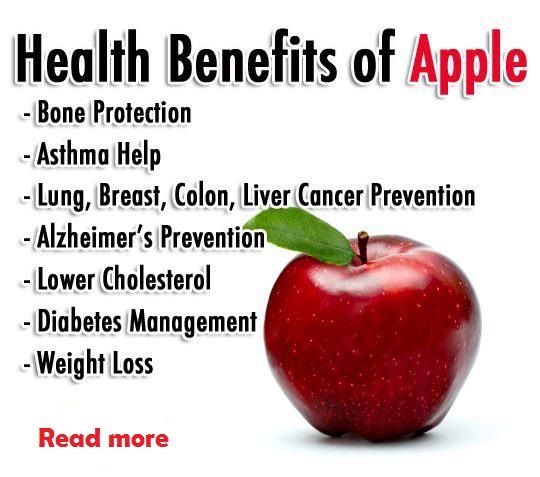
“An apple a day keeps the doctor away” is one of the most famous health sayings in the world. While eating an apple every day is not a guarantee against illness, modern nutrition research suggests that apples offer an impressive range of health benefits that support overall wellness.
Apples are among the most widely consumed fruits globally and are valued for their sweet taste, versatility, and rich nutritional profile. They contain dietary fiber, vitamins, antioxidants, and beneficial plant compounds that may help support heart health, digestion, brain function, blood sugar control, and healthy aging.
Whether enjoyed fresh, sliced into salads, blended into smoothies, or baked into healthy recipes, apples can be a nutritious addition to a balanced diet.
Let’s explore the science-backed health benefits of apples and why they deserve a place in your daily routine.
Nutritional Value of Apples
Apples are low in calories yet rich in important nutrients.
A medium-sized apple typically contains:
- Dietary fiber
- Vitamin C
- Potassium
- Vitamin K
- Small amounts of B vitamins
- Polyphenols
- Flavonoids
- Antioxidants
Much of the apple’s beneficial fiber and antioxidants are found in the skin, making whole apples more nutritious than peeled ones.
1. Rich in Antioxidants and Plant Compounds
Natural Protection Against Oxidative Stress
Apples contain a variety of antioxidant compounds, including:
- Quercetin
- Catechin
- Chlorogenic acid
- Phloridzin
- Polyphenols
These compounds help protect cells from damage caused by free radicals.
Why Antioxidants Matter
Oxidative stress has been linked to:
- Premature aging
- Heart disease
- Type 2 diabetes
- Certain cancers
- Neurodegenerative disorders
Regular consumption of antioxidant-rich foods may help support long-term health and reduce cellular damage.
2. Supports Brain Health
Potential Cognitive Benefits
Researchers have investigated whether the antioxidants and plant compounds found in apples may help support brain health.
Some studies suggest that compounds in apples may help:
- Reduce oxidative stress in brain tissue
- Support healthy neurotransmitter activity
- Protect nerve cells
- Promote healthy cognitive function
Alzheimer’s and Parkinson’s Disease
Although apples cannot prevent or cure neurological diseases, their antioxidant content may contribute to overall brain health as part of a healthy lifestyle.
More research is needed to fully understand the relationship between apple consumption and neurodegenerative diseases such as Alzheimer’s disease and Parkinson’s disease.
3. May Help Reduce the Risk of Certain Cancers
Protective Plant Compounds
Apples contain several naturally occurring compounds that researchers continue to study for their potential role in cancer prevention.
These include:
- Flavonoids
- Polyphenols
- Triterpenoids
- Vitamin C
How They May Help
The antioxidants found in apples may:
- Reduce oxidative damage
- Help protect healthy cells
- Support normal cellular function
While no single food can prevent cancer, diets rich in fruits and vegetables are consistently associated with lower risks of several chronic diseases.
4. Supports Heart Health
A Heart-Friendly Fruit
Apples contain nutrients and compounds that support cardiovascular health.
Potential heart benefits include:
- Supporting healthy cholesterol levels
- Reducing inflammation
- Promoting healthy blood vessel function
- Supporting blood pressure management
The Role of Soluble Fiber
Apples are rich in pectin, a type of soluble fiber that may help lower LDL (“bad”) cholesterol levels.
Soluble fiber works by binding to cholesterol in the digestive tract and helping remove it from the body.
Polyphenols and Cardiovascular Protection
The polyphenols in apples may also help reduce oxidative damage to blood vessels and support healthy circulation.
5. May Help With Weight Management
High Fiber, Low Calories
Apples are naturally low in calories while being rich in water and fiber.
This combination can help:
- Promote fullness
- Reduce hunger
- Limit overeating
- Support healthy weight management
A Smart Snack Choice
Replacing processed snacks with whole fruits like apples can contribute to healthier eating habits and long-term weight control.
6. Helps Regulate Blood Sugar Levels
Supporting Metabolic Health
Despite containing natural sugars, apples have a relatively low glycemic impact because of their fiber content.
How Apples May Help
Pectin and polyphenols may:
- Slow digestion
- Reduce rapid blood sugar spikes
- Improve insulin sensitivity
- Support stable energy levels
Several observational studies have linked regular apple consumption with a lower risk of developing Type 2 diabetes.
Important Note
People with diabetes can usually enjoy apples as part of a balanced diet, but portion control remains important.
7. Promotes Digestive Health
Fiber for a Healthy Gut
Apples are an excellent source of dietary fiber, particularly pectin.
Fiber helps:
- Promote regular bowel movements
- Prevent constipation
- Support beneficial gut bacteria
- Improve digestive comfort
Prebiotic Benefits
Pectin acts as a prebiotic, meaning it helps feed healthy bacteria in the gut microbiome.
A healthy gut microbiome is increasingly recognized as an important contributor to overall health.
8. May Help Reduce the Risk of Gallstones
Supporting Digestive Function
Some research suggests that fiber-rich foods may help support healthy bile metabolism and digestive function.
While apples are not a treatment for gallstones, a diet rich in fruits and fiber may contribute to a lower risk of certain digestive disorders.
9. Supports Immune Health
Vitamin C and Immunity
Apples provide vitamin C, an important nutrient that supports:
- Immune system function
- Collagen production
- Wound healing
- Antioxidant defense
Although apples are not the richest source of vitamin C compared with citrus fruits, they still contribute to overall daily intake.
10. Supports Healthy Aging
Nutrients for Long-Term Wellness
The combination of:
- Fiber
- Antioxidants
- Polyphenols
- Vitamins
- Minerals
makes apples a valuable food for supporting healthy aging.
Regular fruit consumption has been associated with improved health outcomes and a lower risk of many age-related conditions.
How to Add More Apples to Your Diet
Apples are versatile and easy to enjoy.
Fresh
- Eat as a snack
- Slice into fruit salads
- Pair with nut butter
Breakfast Ideas
Add apples to:
- Oatmeal
- Yogurt
- Smoothies
- Whole-grain cereal
Cooking and Baking
Use apples in:
- Salads
- Soups
- Baked desserts
- Homemade sauces
Healthy Snacks
Try:
- Apple slices with peanut butter
- Apple and cheese combinations
- Homemade baked apple chips
Frequently Asked Questions (FAQ)
Is it really healthy to eat an apple every day?
Yes. Eating an apple daily can contribute valuable fiber, antioxidants, and nutrients that support overall health.
Are apples good for weight loss?
Apples are low in calories, high in fiber, and promote fullness, making them a helpful food for healthy weight management.
Can apples help lower cholesterol?
The soluble fiber (pectin) found in apples may help reduce LDL cholesterol levels as part of a heart-healthy diet.
Do apples help prevent diabetes?
Research suggests that regular apple consumption may be associated with a lower risk of Type 2 diabetes due to their fiber and polyphenol content.
Are apple skins healthy?
Yes. Many beneficial antioxidants and fiber are concentrated in the apple skin, so eating unpeeled apples provides additional nutritional benefits.
Can apples improve digestion?
The fiber in apples helps support healthy digestion, regular bowel movements, and a balanced gut microbiome.
Are apples good for brain health?
The antioxidants found in apples may help support cognitive function and protect brain cells from oxidative stress.
Which type of apple is healthiest?
Most apple varieties offer similar nutritional benefits. The best choice is the one you enjoy eating regularly.
How many apples can I eat per day?
For most healthy individuals, one to two apples per day can be part of a balanced diet.
Are apples safe for people with diabetes?
Yes. Apples can generally be included in a diabetes-friendly eating plan because they contain fiber and have a relatively low glycemic impact.
Conclusion
Apples are one of the most accessible, affordable, and nutritious fruits available. Rich in fiber, antioxidants, vitamins, and beneficial plant compounds, they support heart health, digestive function, blood sugar management, brain health, and overall wellness.
While no single food can prevent all diseases, incorporating apples into a balanced diet is a simple and effective way to improve nutritional intake and support long-term health. The old saying may not be entirely literal, but there is certainly some truth behind the idea that an apple a day can contribute to a healthier lifestyle.
So the next time you’re looking for a nutritious snack, reach for an apple and enjoy the many benefits this remarkable fruit has to offer.

Hi, I’m Amrita Pandey. I specialize in writing about health, pregnancy, yoga, natural remedies, beverages, fruits, and vegetables. I enjoy creating clear, well-researched content that helps readers make informed decisions and build healthier everyday habits.