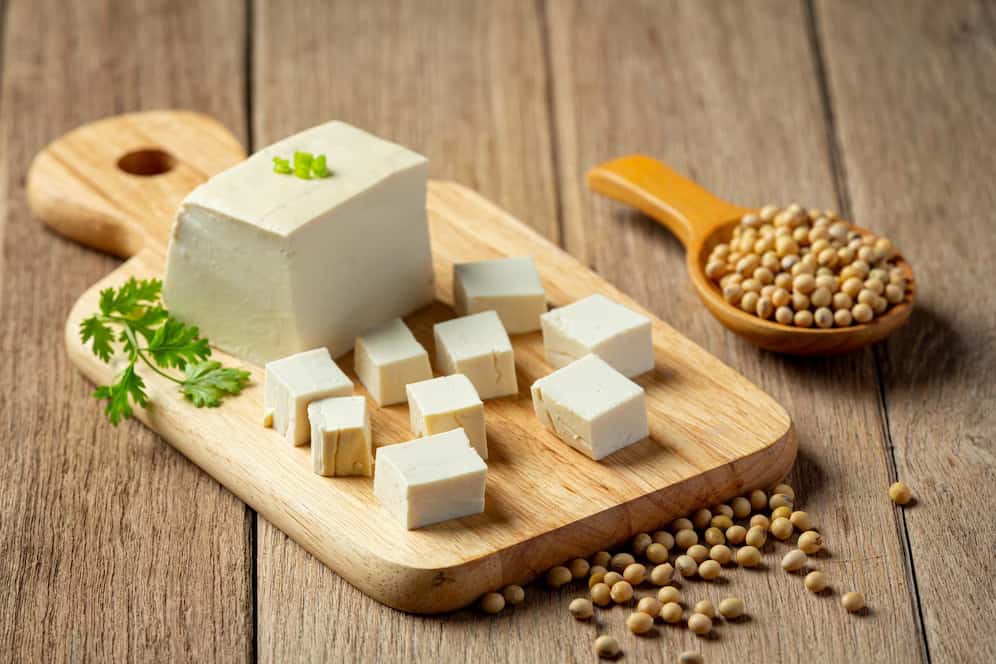
Tofu has been a staple food in Asian cuisine for more than 2,000 years. Made from soybeans, this versatile ingredient has gained worldwide popularity due to its impressive nutritional profile and ability to fit into a wide variety of diets. Whether you are vegetarian, vegan, or simply looking for healthier protein sources, tofu can be a valuable addition to your meals.
Despite its popularity, tofu is often surrounded by myths and misconceptions. Some people question its health effects, while others wonder whether it provides enough nutrition compared to animal-based foods. Understanding the facts can help you make informed dietary choices.
What Is Tofu?
Tofu, also known as bean curd, is made by coagulating soy milk and pressing the resulting curds into soft white blocks. The process is similar to making cheese from dairy milk. Depending on how much water is removed, tofu can be found in soft, firm, or extra-firm varieties.
One of tofu’s greatest strengths is its versatility. It readily absorbs flavors from herbs, spices, marinades, and sauces, making it suitable for everything from stir-fries and curries to soups, salads, and desserts.
Nutritional Value of Tofu
Tofu is considered a nutrient-dense food because it provides several essential nutrients while remaining relatively low in calories.
A typical serving of tofu contains:
- High-quality plant-based protein
- Calcium for bone health
- Iron for healthy blood circulation
- Magnesium and phosphorus
- Essential amino acids
- Healthy unsaturated fats
- Soy isoflavones, which are natural plant compounds with antioxidant properties
Because tofu contains all nine essential amino acids, it is considered a complete protein source, making it particularly beneficial for vegetarians and vegans.
Top Health Benefits of Tofu
1. Excellent Source of Plant-Based Protein
Protein plays a crucial role in building and repairing tissues, supporting muscle growth, and maintaining overall health. Tofu provides a substantial amount of protein without the saturated fat commonly found in some animal-based protein sources.
For individuals following vegetarian or vegan diets, tofu is one of the most reliable sources of complete protein.
2. Supports Heart Health
Tofu is naturally low in cholesterol and contains very little saturated fat. Replacing high-fat animal products with soy-based foods like tofu may help support healthy cholesterol levels and contribute to better cardiovascular health.
Combined with a balanced diet, tofu can be part of a heart-friendly eating plan.
3. May Help With Weight Management
If you’re trying to maintain or lose weight, tofu can be a smart dietary choice. It provides protein that promotes fullness while remaining relatively low in calories.
The combination of protein and healthy fats may help reduce hunger and support portion control throughout the day.
4. Rich in Bone-Strengthening Nutrients
Many tofu varieties are fortified with calcium, making them beneficial for maintaining strong bones and teeth. Some types also provide magnesium and phosphorus, which play important roles in bone formation and maintenance.
Regular consumption of calcium-rich foods may help reduce the risk of age-related bone loss.
5. Provides Iron for Energy Production
Iron is essential for carrying oxygen throughout the body. Tofu can help meet daily iron requirements, particularly for individuals who consume little or no meat.
Pairing tofu with vitamin C-rich foods such as bell peppers, tomatoes, or citrus fruits can improve iron absorption.
6. May Offer Antioxidant Benefits
Tofu contains naturally occurring compounds called isoflavones. These plant compounds act as antioxidants and may help protect cells from oxidative stress caused by free radicals.
Researchers continue to study the potential role of soy isoflavones in supporting long-term health and reducing the risk of certain chronic diseases.
7. A Healthy Alternative to Paneer
Paneer is a popular ingredient in Indian cuisine, but it is generally higher in calories, saturated fat, and cholesterol than tofu.
For people looking to reduce their calorie intake or increase plant-based foods in their diet, tofu can serve as a nutritious substitute in many traditional recipes, including curries, stir-fries, and grilled dishes.
Common Myths About Tofu
Myth: Tofu Causes Feminine Characteristics in Men
This is one of the most common misconceptions about soy foods. Tofu contains phytoestrogens, specifically isoflavones, which are plant compounds that behave differently from human estrogen.
Current scientific evidence suggests that moderate consumption of soy foods does not lower testosterone levels or cause feminizing effects in healthy men.
Myth: Tofu Is Bland and Tasteless
Tofu has a mild flavor by design. This allows it to absorb seasonings and marinades exceptionally well. Proper preparation can transform tofu into a flavorful ingredient suitable for a variety of cuisines.
Can You Eat Too Much Tofu?
Like most foods, moderation is important. For most healthy individuals, consuming tofu as part of a balanced diet is considered safe.
People with thyroid conditions should consult a healthcare professional regarding their soy intake, especially if they have iodine deficiency or are taking thyroid medication. Additionally, individuals with soy allergies should avoid tofu entirely.
The key is to enjoy tofu as part of a varied diet that includes fruits, vegetables, whole grains, legumes, nuts, and other protein sources.
How to Include Tofu in Your Diet
Here are some simple ways to enjoy tofu:
- Add firm tofu to vegetable stir-fries
- Use tofu instead of paneer in curries
- Blend silken tofu into smoothies
- Add cubed tofu to soups and salads
- Grill or bake marinated tofu for a high-protein meal
- Scramble tofu as a plant-based breakfast option
Final Thoughts
Tofu is a highly nutritious, protein-rich food that offers numerous health benefits. It supports muscle growth, heart health, weight management, and bone strength while providing essential nutrients such as iron and calcium. Despite ongoing debates about soy foods, current research suggests that moderate tofu consumption is safe and beneficial for most people.
Whether you’re looking to eat more plant-based foods or simply diversify your protein sources, tofu can be a healthy and versatile addition to your diet.
Frequently Asked Questions (FAQs)
Is tofu healthier than paneer?
Tofu is generally lower in calories, saturated fat, and cholesterol than paneer. It is also suitable for vegans and people who are lactose intolerant.
Can tofu help with weight loss?
Yes. Tofu is high in protein and relatively low in calories, which may help you feel full longer and support weight management goals.
Is tofu a complete protein?
Yes. Tofu contains all nine essential amino acids, making it a complete plant-based protein source.
How much tofu can I eat per day?
Moderate consumption, typically one to two servings per day, is considered safe for most healthy adults. Individual needs may vary.
Does tofu contain calcium?
Many tofu products are rich in calcium, especially those made using calcium-based coagulants.
Can people with thyroid problems eat tofu?
Most people with thyroid conditions can consume tofu in moderation, but it is advisable to consult a healthcare provider, especially when taking thyroid medication.
Is tofu good for vegetarians and vegans?
Absolutely. Tofu is one of the best plant-based protein sources and provides several essential nutrients important for vegetarian and vegan diets.

Hi, I’m Amrita Pandey. I specialize in writing about health, pregnancy, yoga, natural remedies, beverages, fruits, and vegetables. I enjoy creating clear, well-researched content that helps readers make informed decisions and build healthier everyday habits.