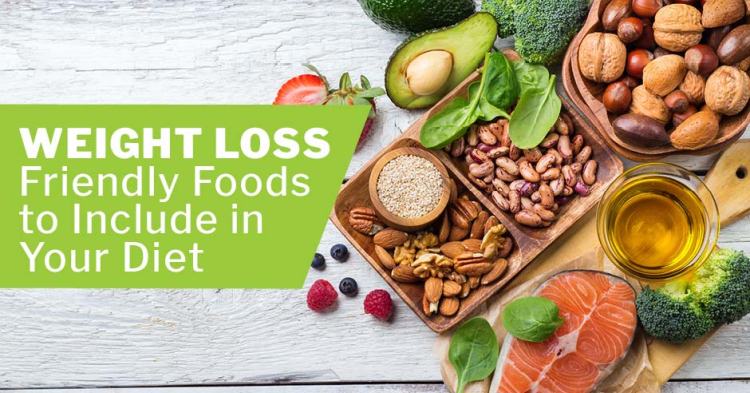
Every year, millions of people set goals to lose weight, improve their fitness, and adopt healthier lifestyles. While many weight-loss plans focus on restrictive diets, research consistently shows that sustainable results are more likely when people develop healthy eating habits they can maintain long-term.
Rather than following extreme diet trends, a better approach is to build meals around nutrient-dense foods that promote satiety, support metabolism, and provide essential vitamins and minerals.
If you’re looking to achieve your weight management goals naturally, here are 10 healthy foods that can support a balanced diet and overall wellness.
Why Nutrition Matters for Weight Loss
Weight loss ultimately depends on creating a calorie deficit, meaning you burn more calories than you consume. However, not all calories are equal when it comes to hunger, energy levels, and nutritional value.
Foods rich in:
- Protein
- Fiber
- Healthy fats
- Vitamins and minerals
can help you feel fuller for longer, reduce cravings, and support overall health while managing your weight.
Let’s explore some of the best foods to include in a healthy weight-loss diet.
1. Basil: A Flavorful Herb with Health Benefits
Basil is more than just a popular culinary herb. It contains antioxidants and plant compounds that may support overall health and digestion.
Benefits of Basil
- Adds flavor without extra calories
- Contains antioxidants
- Supports digestive health
- May help reduce inflammation
Using fresh basil in salads, soups, sauces, and healthy meals is an easy way to enhance flavor while supporting a nutritious diet.
2. Broccoli: A Nutrient-Dense Weight-Loss Food
Broccoli is one of the most nutritious vegetables you can add to your plate.
As a member of the cruciferous vegetable family, it provides:
- Fiber
- Vitamin C
- Vitamin K
- Folate
- Potassium
- Antioxidants
Why Broccoli Supports Weight Management
The high fiber content helps promote fullness, which may reduce overall calorie intake throughout the day.
Broccoli is also low in calories while providing substantial nutritional value, making it an excellent food for healthy weight management.
3. Fish: A High-Protein Choice for Healthy Eating
Fish is an excellent source of lean protein and essential nutrients.
Popular options such as salmon, sardines, trout, and tuna contain:
- Omega-3 fatty acids
- Vitamin D
- Vitamin B12
- Iodine
- Selenium
- High-quality protein
Benefits for Weight Loss
Protein-rich foods help increase satiety and support muscle maintenance, which is important during weight loss.
Including fish in your weekly meal plan can contribute to a balanced and heart-healthy diet.
4. Olive Oil: A Heart-Healthy Fat
Contrary to popular belief, healthy fats can be part of a successful weight-management plan.
Extra virgin olive oil contains:
- Monounsaturated fats
- Antioxidants
- Anti-inflammatory compounds
How Olive Oil Supports Healthy Eating
Using moderate amounts of olive oil in place of highly processed fats can improve the nutritional quality of meals while enhancing flavor.
Olive oil is also a key component of the Mediterranean diet, one of the most widely studied eating patterns for overall health.
5. Mushrooms: Low-Calorie and Nutrient-Rich
Mushrooms are versatile, flavorful, and naturally low in calories.
They provide:
- B vitamins
- Selenium
- Potassium
- Antioxidants
- Plant-based nutrients
Why Mushrooms Are Great for Weight Management
Because they are low in calories and contain a high water content, mushrooms can help create satisfying meals without significantly increasing calorie intake.
Many people also use mushrooms as a lower-calorie substitute for certain meat-based dishes.
6. Sweet Potatoes: A Smarter Carb Choice
Sweet potatoes are often considered one of the healthiest carbohydrate sources available.
They are rich in:
- Vitamin A
- Vitamin C
- Potassium
- Fiber
- Antioxidants
Weight-Loss Benefits
The fiber in sweet potatoes promotes fullness and supports digestive health, making them a satisfying addition to balanced meals.
Baked or roasted sweet potatoes are generally healthier alternatives to heavily processed potato products.
7. Eggs: A Protein-Packed Breakfast Option
Eggs have become a popular choice among nutrition experts because they provide a wide range of nutrients in a relatively small serving.
Eggs contain:
- High-quality protein
- Vitamin B12
- Choline
- Selenium
- Iron
How Eggs Can Help with Weight Management
Protein-rich breakfasts may help reduce hunger and improve satiety throughout the day.
Including eggs as part of a balanced breakfast can support healthy eating habits and energy levels.
8. Beans: High in Fiber and Plant Protein
Beans are among the most affordable and nutritious foods available.
Popular varieties include:
- Black beans
- Kidney beans
- Pinto beans
- Chickpeas
- Navy beans
Benefits for Weight Loss
Beans are naturally rich in:
- Fiber
- Protein
- Complex carbohydrates
This combination helps keep you feeling full for longer periods and may reduce unnecessary snacking between meals.
9. Avocados: A Nutrient-Dense Superfood
Avocados have earned their reputation as a nutrient-rich food for good reason.
They provide:
- Healthy fats
- Potassium
- Folate
- Vitamin K
- Vitamin E
- Vitamin C
- Fiber
Why Avocados Support Healthy Weight Management
Although avocados contain more calories than many fruits, their healthy fats and fiber can contribute to feelings of fullness and satisfaction.
Moderation is key when including avocados in a weight-loss plan.
10. Oats: A Filling Whole Grain
Oats are a popular breakfast staple and one of the best whole grains for supporting a healthy lifestyle.
They contain:
- Soluble fiber
- Protein
- Iron
- Magnesium
- Antioxidants
Weight-Loss Benefits
The soluble fiber found in oats may help:
- Promote satiety
- Support digestive health
- Stabilize blood sugar levels
A bowl of oatmeal can provide lasting energy and help reduce mid-morning hunger.
Additional Tips for Sustainable Weight Loss
Including healthy foods in your diet is important, but long-term success also depends on overall lifestyle habits.
Stay Physically Active
Regular exercise supports weight management and overall health.
Prioritize Sleep
Poor sleep can affect hunger hormones and increase cravings.
Drink Enough Water
Hydration supports digestion and overall bodily functions.
Practice Mindful Eating
Pay attention to hunger and fullness cues rather than eating out of habit or boredom.
Focus on Consistency
Small, sustainable changes are often more effective than drastic diets.
Final Thoughts
There is no single food that can magically cause weight loss. However, building a diet around nutrient-dense foods such as broccoli, fish, eggs, beans, oats, sweet potatoes, avocados, and other whole foods can support your health and weight-management goals.
Instead of focusing on short-term diets, prioritize balanced nutrition, regular physical activity, and healthy habits that you can maintain for the long term.
Sustainable weight loss is not about deprivation—it’s about creating a healthier lifestyle that supports your overall well-being.
Frequently Asked Questions (FAQs)
1. Which foods help with weight loss the most?
Foods rich in protein and fiber, such as eggs, beans, fish, oats, and vegetables, can help promote fullness and support healthy weight management.
2. Can eating healthy foods alone help me lose weight?
Weight loss depends on overall calorie balance. Healthy foods can support the process, but regular physical activity and sustainable habits are also important.
3. Are avocados good for weight loss?
Yes. Avocados provide healthy fats and fiber that can increase satiety, although portion control is important because they are calorie-dense.
4. Is oatmeal good for losing weight?
Oatmeal is rich in fiber and can help you feel full longer, making it a nutritious breakfast option for weight management.
5. Are eggs healthy for weight loss?
Eggs are high in protein and can help support fullness, making them a valuable addition to a balanced diet.
6. How often should I eat fish for a healthy diet?
Many nutrition guidelines recommend consuming fish at least twice per week as part of a balanced eating plan.
7. Do sweet potatoes contain fewer calories than regular potatoes?
Sweet potatoes and regular potatoes have similar calorie levels, but sweet potatoes provide additional vitamins and antioxidants.
8. What is the best long-term strategy for weight loss?
The most effective approach is maintaining a balanced diet, staying physically active, getting enough sleep, and adopting sustainable healthy habits rather than following restrictive diets.

Hi, I’m Amrita Pandey. I specialize in writing about health, pregnancy, yoga, natural remedies, beverages, fruits, and vegetables. I enjoy creating clear, well-researched content that helps readers make informed decisions and build healthier everyday habits.