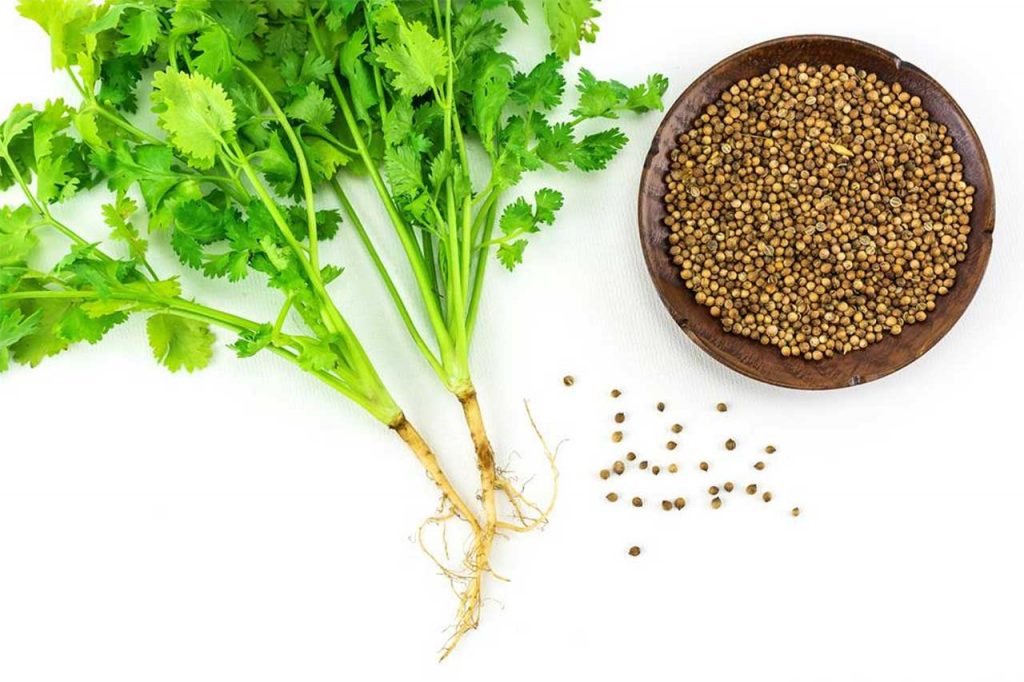
Coriander is one of the most widely used culinary herbs in the world. Known for its fresh aroma and distinctive flavor, coriander has been valued for centuries in traditional medicine and cooking. Both the leaves and seeds of the coriander plant are used in various cuisines and wellness practices.
Scientifically known as Coriandrum sativum, coriander is packed with vitamins, minerals, antioxidants, and plant compounds that may support overall health. Whether used as a garnish, spice, or herbal infusion, coriander can be a nutritious addition to a balanced diet.
What Is Coriander?
Coriander refers to the leaves and seeds of the coriander plant. In many countries, the fresh leaves are known as cilantro, while the dried seeds are called coriander seeds.
Other Names of Coriander
- Cilantro
- Chinese Parsley
- Coriandre
- Dhania
- Dhanyaka
- Dhana
- Dhaniyalu
- Kothambri
- Kothimiri
- Kothampalari
Both coriander leaves and seeds are widely used in Indian, Asian, Middle Eastern, and Mediterranean cuisines.
Nutritional Value of Coriander
Although often used in small quantities, coriander contains a variety of essential nutrients, including:
- Vitamin A
- Vitamin C
- Vitamin K
- B-complex vitamins
- Iron
- Calcium
- Potassium
- Magnesium
- Phosphorus
- Copper
- Zinc
- Dietary fiber
Coriander is also rich in antioxidants and beneficial plant compounds that help protect cells from oxidative stress.
Top Health Benefits of Coriander
1. Rich in Antioxidants
Coriander contains antioxidants that help neutralize harmful free radicals in the body. These compounds may help protect cells from damage and support overall wellness.
2. Supports Digestive Health
Traditionally, coriander has been used to support healthy digestion. Coriander seeds are commonly included in herbal teas and digestive preparations because they may help reduce occasional bloating and digestive discomfort.
Many people consume coriander seed water or coriander tea after meals as part of traditional digestive practices.
3. May Support Heart Health
Coriander contains potassium and other nutrients that contribute to maintaining normal blood pressure levels. Some studies suggest that coriander may support healthy cholesterol levels when combined with a balanced diet and healthy lifestyle.
4. Helps Maintain Healthy Blood Sugar Levels
Preliminary research indicates that compounds found in coriander may help support normal glucose metabolism. However, coriander should not be considered a substitute for medical treatment for diabetes.
5. Supports Bone Health
The calcium, phosphorus, magnesium, and vitamin K found in coriander contribute to bone strength and maintenance. Regular consumption as part of a nutrient-rich diet may support long-term skeletal health.
6. May Promote Healthy Skin
The antioxidants and vitamins present in coriander may support skin health by helping protect against oxidative stress. Coriander is commonly used in homemade skincare remedies, although scientific evidence for topical benefits remains limited.
7. Contributes to Immune Function
Vitamin C and antioxidant compounds in coriander help support the body’s natural immune defenses and overall wellness.
8. Freshens Breath Naturally
Chewing fresh coriander leaves or coriander seeds has traditionally been used as a natural way to combat bad breath and leave the mouth feeling fresh.
Traditional Uses of Coriander
For generations, coriander has been used in traditional wellness practices across many cultures. Some commonly used preparations include:
Coriander Tea
A simple coriander tea can be prepared by steeping one to two teaspoons of coriander seeds in hot water for 10–15 minutes. This herbal infusion is traditionally consumed after meals.
Coriander Seed Water
Many people soak coriander seeds overnight and drink the strained water the following morning as part of their daily wellness routine.
Coriander and Buttermilk
In traditional Indian households, coriander juice is sometimes mixed with buttermilk and consumed after meals to support digestion.
Culinary Uses
Coriander can easily be incorporated into daily meals:
- Add fresh leaves to salads and soups
- Use coriander seeds in curries and spice blends
- Sprinkle chopped coriander over rice dishes
- Blend cilantro into chutneys and sauces
- Add coriander to marinades and dressings
Are There Any Side Effects of Coriander?
Coriander is generally considered safe when consumed in normal food amounts.
However, some individuals may experience:
- Allergic reactions
- Skin sensitivity
- Digestive discomfort when consumed in excessive quantities
People taking medications for blood sugar or blood pressure management should consult a healthcare professional before using large amounts of coriander supplements or extracts.
How to Store Coriander
Fresh Coriander Leaves
- Store in the refrigerator wrapped in a damp paper towel.
- Alternatively, place stems in a glass of water and refrigerate.
Coriander Seeds
- Store in an airtight container.
- Keep away from direct sunlight and moisture.
- Whole seeds retain flavor longer than ground coriander.
Final Thoughts
Coriander is more than just a flavorful herb. Rich in vitamins, minerals, antioxidants, and beneficial plant compounds, it can support overall health while enhancing the taste of countless dishes. From digestive support and heart health to immune function and skin wellness, coriander offers a variety of potential benefits when included as part of a balanced diet.
While many traditional remedies involving coriander have been passed down through generations, they should complement—not replace—professional medical advice and treatment.
Frequently Asked Questions (FAQs)
What is the difference between coriander and cilantro?
In many countries, the fresh leaves are called cilantro, while the dried seeds are referred to as coriander. Both come from the same plant, Coriandrum sativum.
Is coriander good for digestion?
Coriander has traditionally been used to support digestion and reduce occasional bloating. Many people consume coriander tea or seed water after meals.
Can coriander help lower cholesterol?
Some research suggests coriander may support healthy cholesterol levels, but more studies are needed. It should be used as part of a healthy lifestyle rather than as a treatment.
Is coriander good for skin health?
Coriander contains antioxidants and vitamins that may support healthy skin. However, scientific evidence for many topical coriander remedies remains limited.
Can coriander help with weight loss?
Coriander is low in calories and can be included in a healthy weight-management diet, but no food alone can cause significant weight loss.
How can I use coriander in my daily diet?
You can add fresh coriander leaves to salads, soups, curries, and chutneys or use coriander seeds in spice blends, teas, and cooking.
Is coriander safe to consume every day?
Yes, coriander is generally safe when consumed in normal dietary amounts as part of a balanced diet.
Are coriander seeds and coriander leaves equally healthy?
Both are nutritious but contain slightly different nutrient profiles and plant compounds. Including both in your diet can provide a variety of health benefits.

Hi, I’m Amrita Pandey. I specialize in writing about health, pregnancy, yoga, natural remedies, beverages, fruits, and vegetables. I enjoy creating clear, well-researched content that helps readers make informed decisions and build healthier everyday habits.