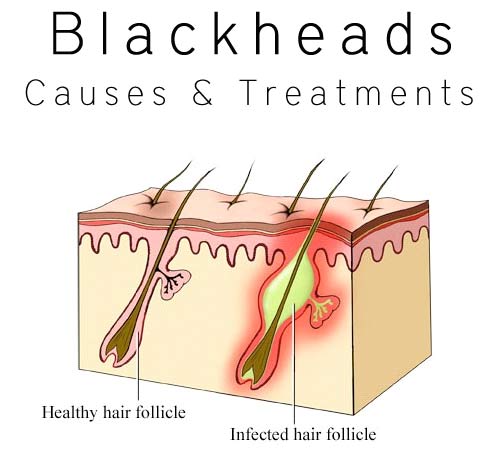
Blackheads are one of the most common skin concerns, especially among people with oily or acne-prone skin. They appear as small dark spots on the skin, most commonly on the nose, chin, forehead, and sometimes the back or chest.
Although blackheads are not usually harmful, they can affect skin appearance and may become more noticeable if left untreated.
What Are Blackheads?
Blackheads are a type of acne known as “open comedones.” They form when excess oil (sebum), dead skin cells, and debris clog hair follicles or pores.
The dark color of a blackhead is not caused by dirt. Instead, it occurs when the trapped material inside the pore is exposed to air and undergoes oxidation.
What Causes Blackheads?
Several factors can contribute to blackhead formation:
Excess Oil Production
People with oily skin often produce more sebum, increasing the likelihood of clogged pores.
Dead Skin Cell Build-Up
When dead skin cells are not shed properly, they can mix with oil and block pores.
Hormonal Changes
Hormonal fluctuations during puberty, pregnancy, or certain medical conditions can increase oil production.
Inappropriate Skincare Products
Heavy, oily, or comedogenic skincare products may contribute to clogged pores.
Environmental Factors
Pollution, sweat, and exposure to dirt can worsen pore congestion if the skin is not cleansed regularly.
Common Areas Where Blackheads Appear
Blackheads are most commonly found on:
- Nose
- Chin
- Forehead
- Cheeks
- Back
- Chest
- Shoulders
The nose and chin are particularly prone because they are part of the T-zone, which naturally produces more oil.
Safe Ways to Remove Blackheads
1. Cleanse Your Face Twice Daily
Use a gentle cleanser to remove excess oil, dirt, and impurities without stripping the skin’s natural moisture barrier.
2. Exfoliate Regularly
Mild exfoliation can help remove dead skin cells that contribute to clogged pores. Avoid over-scrubbing, which may irritate the skin.
3. Use Non-Comedogenic Skincare Products
Choose products labeled “non-comedogenic,” meaning they are less likely to clog pores.
4. Apply Salicylic Acid Products
Salicylic acid is a commonly recommended ingredient that penetrates pores and helps dissolve excess oil and dead skin cells.
5. Use Clay Masks
Clay masks may help absorb excess oil and reduce the appearance of blackheads in oily skin types.
6. Consider Professional Extraction
A licensed dermatologist or skincare professional can safely remove stubborn blackheads using sterile tools and proper techniques.
What Not to Do
Avoid these common mistakes:
- Squeezing blackheads with fingers
- Using sharp tools without training
- Over-scrubbing the skin
- Applying harsh home remedies that irritate the skin
- Washing the face excessively
Improper extraction can lead to infection, redness, scarring, and enlarged pores.
Home Care Tips for Blackhead-Prone Skin
Stay Consistent With Skincare
A regular cleansing and moisturizing routine helps maintain healthy skin.
Keep Skin Hydrated
Well-hydrated skin supports the skin barrier and overall skin health.
Remove Makeup Before Bed
Sleeping with makeup can contribute to clogged pores and breakouts.
Wash Pillowcases Regularly
Clean pillowcases reduce the transfer of oil, bacteria, and dirt to the skin.
Use Sunscreen Daily
Choose a lightweight, non-comedogenic sunscreen to protect skin without clogging pores.
When to See a Dermatologist
Consult a dermatologist if:
- Blackheads are widespread or severe.
- Over-the-counter treatments are not working.
- Blackheads frequently return.
- You develop painful acne or inflammation.
- Scarring begins to occur.
A dermatologist can recommend personalized treatment options based on your skin type and condition.
Expert Note
Blackheads are a common form of acne that can usually be managed with proper skincare and evidence-based treatments. While many home remedies are popular, some may irritate the skin or worsen symptoms. Professional advice is recommended for persistent or severe cases.
Medical Disclaimer
This article is for educational purposes only and does not constitute medical advice. Consult a qualified dermatologist or healthcare professional for diagnosis and treatment recommendations specific to your skin condition.
FAQs
1. What are blackheads and why do they form?
Blackheads are clogged pores filled with excess oil and dead skin cells. They appear dark because the trapped material oxidizes when exposed to air.
2. Are blackheads caused by dirt?
No. Blackheads are not caused by dirt. Their dark appearance results from oxidation inside an open pore.
3. How can I remove blackheads safely?
Use gentle cleansing, salicylic acid products, regular exfoliation, and professional extraction when necessary. Avoid squeezing blackheads with your fingers.
4. Is oily skin more prone to blackheads?
Yes. Excess oil production can increase the likelihood of clogged pores and blackhead formation.
5. Can blackheads go away on their own?
Some blackheads may clear naturally, but consistent skincare helps prevent them from becoming more noticeable or recurring.
6. Are pore strips effective for blackheads?
Pore strips may temporarily remove surface debris but do not address the underlying causes of blackheads.
7. What ingredients help treat blackheads?
Salicylic acid, retinoids, niacinamide, and clay-based products are commonly used to help manage blackheads.
8. Can blackheads turn into pimples?
Yes. If bacteria and inflammation develop within a clogged pore, a blackhead may progress into an inflamed acne lesion.
9. How often should I exfoliate blackhead-prone skin?
Most people benefit from gentle exfoliation 1–3 times per week, depending on skin sensitivity and product strength.
10. When should I seek professional treatment for blackheads?
If blackheads are persistent, widespread, causing scarring, or not responding to over-the-counter treatments, consult a dermatologist.

Hi, I’m Amrita Pandey. I specialize in writing about health, pregnancy, yoga, natural remedies, beverages, fruits, and vegetables. I enjoy creating clear, well-researched content that helps readers make informed decisions and build healthier everyday habits.