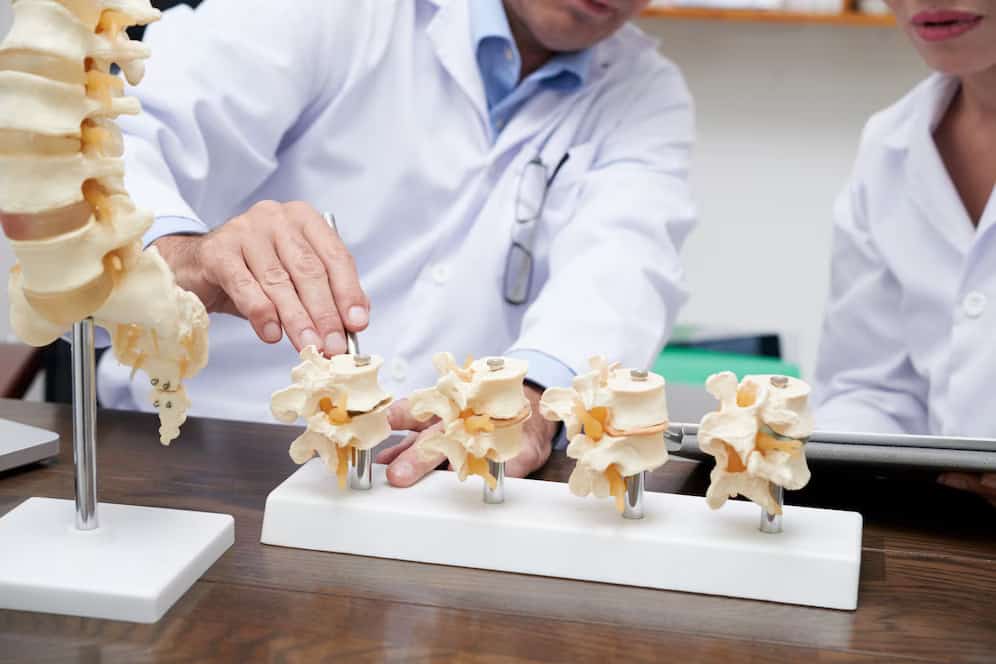
Osteoporosis is a common bone condition that causes bones to become weak, brittle, and more susceptible to fractures. It affects millions of people worldwide, particularly women after menopause. While osteoporosis is often associated with aging, the good news is that many risk factors can be managed through healthy lifestyle choices.
Most discussions about osteoporosis focus on diagnosis and treatment. However, prevention is equally important. Building strong bones early in life and maintaining healthy habits as you age can significantly reduce your risk of developing osteoporosis.
In this guide, we’ll explore practical and natural ways to support bone health and help prevent osteoporosis.
What Is Osteoporosis?
Osteoporosis is a condition in which bone density decreases, causing bones to become fragile and more likely to break. Common fracture sites include:
- Hips
- Wrists
- Spine
- Ribs
Because bone loss often occurs gradually and without symptoms, osteoporosis is sometimes called a “silent disease.”
Many people do not realize they have osteoporosis until they experience a fracture.
Why Are Women More Likely to Develop Osteoporosis?
Although osteoporosis can affect both men and women, women are at higher risk due to hormonal changes that occur during menopause.
Estrogen plays an important role in maintaining bone density. After menopause, estrogen levels decline significantly, accelerating bone loss.
Additional risk factors include:
- Family history of osteoporosis
- Low body weight
- Poor nutrition
- Physical inactivity
- Smoking
- Excessive alcohol consumption
- Vitamin D deficiency
Understanding these risks can help women take proactive steps to protect their bone health.
1. Maintain a Healthy Body Weight
Body weight can influence bone health in several ways.
Being significantly underweight may increase the risk of low bone density and fractures. Excess body weight, on the other hand, can place additional stress on joints and may contribute to mobility issues.
Tips for Healthy Weight Management
- Eat a balanced diet
- Stay physically active
- Avoid extreme dieting
- Focus on long-term healthy habits
Maintaining a healthy weight supports both bone and overall health.
2. Eat Calcium-Rich Foods Daily
Calcium is one of the most important nutrients for strong bones.
The body continuously uses calcium for essential functions such as muscle contraction, nerve signaling, and bone maintenance. If dietary calcium is insufficient, the body may draw calcium from the bones.
Good Sources of Calcium
- Milk
- Yogurt
- Cheese
- Leafy green vegetables
- Broccoli
- Kale
- Sardines
- Salmon with bones
- Fortified foods
Including calcium-rich foods regularly can help support optimal bone health throughout life.
3. Ensure Adequate Vitamin D Intake
Calcium alone is not enough. The body also needs vitamin D to absorb and utilize calcium effectively.
Without sufficient vitamin D, even a calcium-rich diet may not fully support bone health.
Sources of Vitamin D
- Safe sun exposure
- Fatty fish
- Egg yolks
- Fortified dairy products
- Fortified cereals
- Vitamin D supplements (when recommended)
Many adults have low vitamin D levels, making this nutrient especially important.
4. Exercise Regularly for Strong Bones
Physical activity is one of the most effective natural strategies for maintaining bone strength.
Bones respond to exercise by becoming stronger and denser.
Best Exercises for Bone Health
Weight-Bearing Exercises
- Walking
- Hiking
- Dancing
- Jogging
- Climbing stairs
Strength Training
- Resistance bands
- Free weights
- Weight machines
- Bodyweight exercises
Balance Exercises
- Yoga
- Tai Chi
- Stability training
Regular exercise not only strengthens bones but also improves balance, reducing the risk of falls and fractures.
5. Avoid Crash Diets
Many people attempt rapid weight loss through restrictive diets. Unfortunately, crash diets can deprive the body of important nutrients needed for bone maintenance.
Nutritional deficiencies may negatively affect:
- Bone density
- Muscle strength
- Hormonal balance
- Overall health
Better Approach
Choose balanced eating plans that provide adequate amounts of:
- Calcium
- Protein
- Vitamin D
- Magnesium
- Vitamin K
Sustainable nutrition supports long-term bone health far better than extreme dieting.
6. Pay Attention to Persistent Pain
Bone and joint discomfort should never be ignored.
Although occasional aches may occur due to exercise or daily activities, persistent pain warrants medical evaluation.
Symptoms That May Require Medical Attention
- Ongoing back pain
- Frequent fractures
- Loss of height
- Joint discomfort
- Changes in posture
Early assessment can help identify underlying issues and support timely intervention.
7. Discuss Supplements with Your Healthcare Provider
Some individuals may struggle to meet their calcium and vitamin D needs through food alone.
In such cases, a healthcare provider may recommend supplements.
Before Taking Supplements
Always consult a qualified healthcare professional regarding:
- Appropriate dosage
- Potential interactions
- Individual nutritional needs
Supplementation should be personalized rather than self-prescribed.
8. Limit Lifestyle Habits That Harm Bone Health
Certain habits can contribute to bone loss over time.
Smoking
Smoking has been linked to reduced bone density and increased fracture risk.
Excessive Alcohol Consumption
Heavy alcohol intake may interfere with bone formation and calcium absorption.
Sedentary Lifestyle
Prolonged inactivity can weaken bones and muscles.
Making healthy lifestyle choices supports stronger bones and overall well-being.
9. Increase Protein Intake for Bone Support
Protein plays a vital role in maintaining bone structure and muscle strength.
Good protein sources include:
- Fish
- Eggs
- Lean meats
- Dairy products
- Beans
- Lentils
- Tofu
- Nuts and seeds
Adequate protein intake can support healthy aging and help preserve bone mass.
10. Get Regular Bone Health Screenings
Bone density testing can help identify osteoporosis and osteopenia before fractures occur.
Women over 65 and younger women with risk factors should discuss screening options with their healthcare provider.
Early detection allows for preventive measures and appropriate treatment if necessary.
Foods That Support Bone Health
In addition to calcium-rich foods, consider including:
Magnesium-Rich Foods
- Almonds
- Pumpkin seeds
- Spinach
- Black beans
Vitamin K Sources
- Kale
- Broccoli
- Brussels sprouts
Potassium-Rich Foods
- Bananas
- Sweet potatoes
- Avocados
These nutrients work together to support overall bone metabolism.
Final Thoughts
Osteoporosis is not an inevitable part of aging. While factors such as genetics and hormonal changes can influence risk, many aspects of bone health are within your control.
A combination of proper nutrition, regular exercise, adequate vitamin D, healthy lifestyle choices, and routine medical care can significantly reduce the risk of osteoporosis and help maintain strong bones throughout life.
The earlier you begin prioritizing bone health, the greater the benefits you may experience in the years ahead.
Frequently Asked Questions (FAQs)
1. What is the main cause of osteoporosis?
Osteoporosis develops due to a combination of factors including aging, hormonal changes, inadequate calcium intake, vitamin D deficiency, inactivity, and genetics.
2. Why are women at higher risk of osteoporosis?
Women experience a significant decline in estrogen levels after menopause, which accelerates bone loss and increases osteoporosis risk.
3. Which foods are best for preventing osteoporosis?
Calcium-rich foods such as dairy products, leafy greens, fortified foods, and fish with edible bones can support bone health.
4. Does walking help prevent osteoporosis?
Yes. Walking is a weight-bearing exercise that can help maintain bone strength and reduce the risk of bone loss.
5. How important is vitamin D for bone health?
Vitamin D helps the body absorb calcium effectively and plays a crucial role in maintaining healthy bones.
6. Should I take calcium supplements?
Some individuals may benefit from supplements, but it is best to consult a healthcare professional before starting any supplementation program.
7. Can osteoporosis be prevented naturally?
While no prevention strategy is guaranteed, healthy nutrition, exercise, vitamin D, and lifestyle modifications can significantly reduce risk.
8. At what age should women start thinking about osteoporosis prevention?
Bone health should be prioritized throughout life, but women should pay particular attention to prevention strategies before and after menopause.

Hi, I’m Amrita Pandey. I specialize in writing about health, pregnancy, yoga, natural remedies, beverages, fruits, and vegetables. I enjoy creating clear, well-researched content that helps readers make informed decisions and build healthier everyday habits.