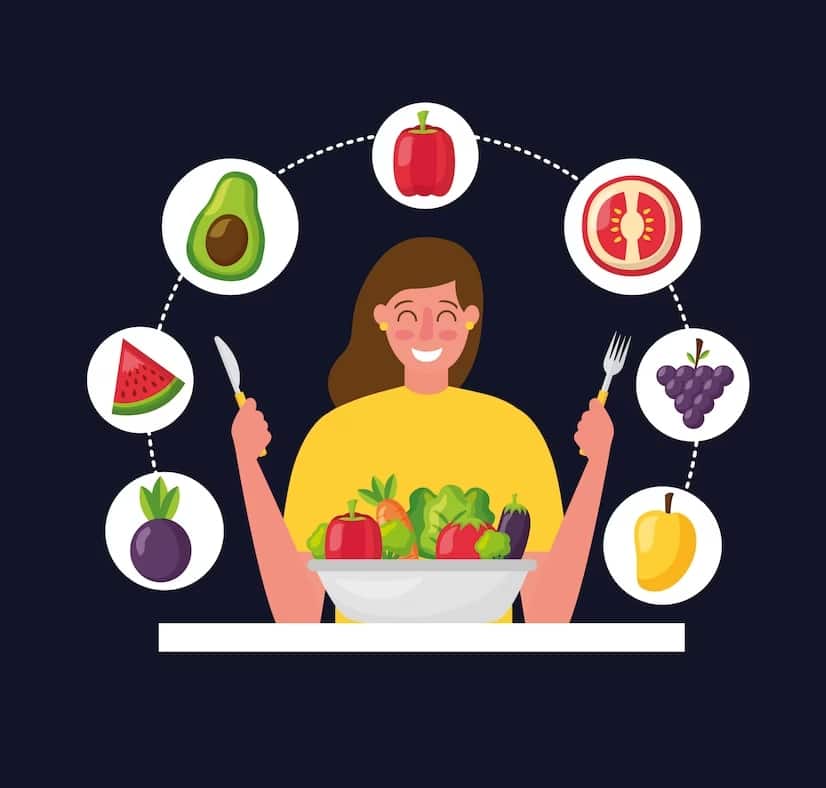
Eating a variety of nutrient-rich foods is one of the best ways to support overall health and well-being. While many people regularly consume common staples like rice, bread, and potatoes, there are several lesser-known foods that offer impressive nutritional benefits and can add variety to your meals.
Here are five nutritious foods worth including in a balanced diet.
1. Bulgur
Bulgur is a whole grain made from cracked wheat and is commonly used in Mediterranean and Middle Eastern cuisine. It has a mild, nutty flavor and a slightly chewy texture.
Nutritional Benefits
One cup of cooked bulgur provides:
- Dietary fiber
- Plant-based protein
- B vitamins
- Manganese
- Iron
Because bulgur contains fiber and protein, it may help promote feelings of fullness and support healthy digestion.
Ways to Eat Bulgur
- Add to salads such as tabbouleh
- Use as a rice substitute
- Mix into soups and stews
- Serve alongside grilled vegetables
2. Chickpeas (Garbanzo Beans)
Chickpeas are versatile legumes packed with nutrition and commonly used in dishes around the world.
Nutritional Benefits
Chickpeas provide:
- Plant-based protein
- Dietary fiber
- Folate
- Iron
- Magnesium
- Potassium
The combination of protein and fiber may help support satiety and healthy blood sugar management as part of a balanced diet.
Ways to Eat Chickpeas
- Add to salads
- Blend into hummus
- Roast as a crunchy snack
- Mix into curries and soups
3. Kale
Kale is often considered one of the most nutrient-dense leafy green vegetables.
Nutritional Benefits
Kale contains:
- Vitamin A
- Vitamin C
- Vitamin K
- Potassium
- Calcium
- Antioxidants
Leafy greens like kale are frequently included in dietary patterns associated with heart health and overall wellness.
Ways to Eat Kale
- Add to smoothies
- Toss into salads
- Sauté with garlic and olive oil
- Bake into kale chips
4. Spaghetti Squash
Spaghetti Squash is a vegetable that forms spaghetti-like strands when cooked, making it a popular alternative to traditional pasta.
Nutritional Benefits
Spaghetti squash provides:
- Vitamin A
- Vitamin C
- B vitamins
- Fiber
- Manganese
It is naturally lower in calories and carbohydrates than many pasta dishes, making it a versatile ingredient for healthy meals.
Ways to Eat Spaghetti Squash
- Replace pasta in favorite recipes
- Serve with tomato sauce
- Add lean protein and vegetables
- Use as a side dish
5. Sunflower Seeds
Sunflower Seed are affordable, nutrient-rich seeds that can easily be added to everyday meals.
Nutritional Benefits
Sunflower seeds contain:
- Healthy unsaturated fats
- Vitamin E
- Selenium
- Copper
- Manganese
- Protein
Vitamin E acts as an antioxidant that helps protect cells from oxidative stress.
Ways to Eat Sunflower Seeds
- Sprinkle on salads
- Add to yogurt
- Mix into oatmeal
- Include in homemade trail mix
Why Variety Matters
No single food can provide every nutrient your body needs. A healthy eating pattern includes a wide range of:
- Fruits
- Vegetables
- Whole grains
- Lean proteins
- Healthy fats
- Legumes
- Nuts and seeds
Combining different nutrient-rich foods helps support overall health and balanced nutrition.
Expert Tip
Aim to fill half your plate with vegetables, include a source of protein at each meal, and regularly rotate foods to maximize nutrient intake.
Final Thoughts
Bulgur, chickpeas, kale, spaghetti squash, and sunflower seeds are all nutritious foods that can add flavor, variety, and valuable nutrients to your diet. Including a diverse selection of whole foods is one of the simplest ways to support long-term health.
Nutrition Disclaimer
This article is for educational purposes only and should not be considered medical or nutritional advice. Consult a registered dietitian or healthcare professional for personalized dietary recommendations.
FAQs
1. What are the healthiest foods to eat regularly?
A balanced diet typically includes vegetables, fruits, whole grains, legumes, lean proteins, nuts, and seeds.
2. Is bulgur healthier than white rice?
Bulgur generally contains more fiber and protein than white rice, making it a nutritious whole-grain option.
3. Are chickpeas good for weight management?
Chickpeas provide protein and fiber, which may help promote fullness when included in a balanced diet.
4. Why is kale considered a superfood?
Kale is rich in vitamins, minerals, antioxidants, and fiber, making it a nutrient-dense leafy green vegetable.
5. Is spaghetti squash a healthy pasta alternative?
Spaghetti squash is lower in calories and carbohydrates than traditional pasta and provides vitamins and fiber.
6. Are sunflower seeds healthy?
Yes, sunflower seeds contain healthy fats, vitamin E, protein, and several important minerals.
7. How often should I eat legumes like chickpeas?
Many nutrition experts recommend including legumes several times per week as part of a healthy diet.
8. Can sunflower seeds help heart health?
Their unsaturated fats and antioxidant content may support cardiovascular health when consumed as part of a balanced eating pattern.
9. What are the benefits of eating whole grains?
Whole grains provide fiber, vitamins, minerals, and plant compounds that support digestive and overall health.
10. Can these foods help with weight loss?
These foods can support a healthy eating plan because many contain fiber and protein, but no single food causes weight loss on its own.

Hi, I’m Amrita Pandey. I specialize in writing about health, pregnancy, yoga, natural remedies, beverages, fruits, and vegetables. I enjoy creating clear, well-researched content that helps readers make informed decisions and build healthier everyday habits.