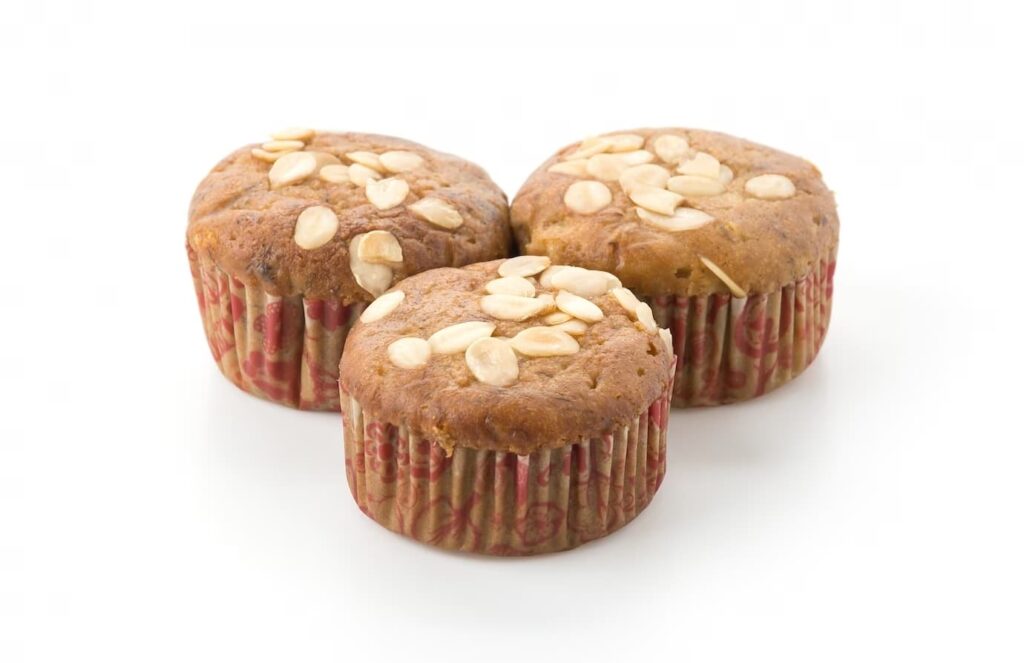
Why Bran Muffins Are More Than Just a Breakfast Treat
Bran muffins have long been a popular breakfast and snack option, appreciated for their hearty texture and satisfying flavor. However, their appeal extends far beyond taste. When made with wholesome ingredients, bran muffins can provide valuable nutrients that support digestive health, heart function, weight management, and overall wellness.
The key ingredient in bran muffins is bran—the nutrient-rich outer layer of cereal grains such as wheat, oats, or rice. Bran contains dietary fiber, vitamins, minerals, and antioxidants that contribute to numerous health benefits.
In this article, we’ll explore the nutritional advantages of bran muffins, how they support various aspects of health, and tips for choosing or preparing healthier versions.
What Is Bran?
Bran is the outer layer of a grain kernel that is typically removed during the refining process. Unlike refined grains, bran retains many essential nutrients, making it an important component of whole-grain foods.
Common types of bran used in muffins include:
- Wheat bran
- Oat bran
- Rice bran
Because bran is rich in dietary fiber and micronutrients, incorporating it into baked goods offers a simple way to increase nutritional intake.
1. Rich Source of Dietary Fiber
Why Fiber Matters
One of the most significant health benefits of bran muffins is their high fiber content.
Dietary fiber plays a critical role in maintaining digestive health and supporting various bodily functions. Bran contains both:
Soluble Fiber
Soluble fiber dissolves in water and forms a gel-like substance in the digestive tract. It may help:
- Lower cholesterol levels
- Support healthy blood sugar control
- Promote feelings of fullness
Insoluble Fiber
Insoluble fiber adds bulk to stool and helps food move efficiently through the digestive system. It may:
- Reduce constipation
- Promote regular bowel movements
- Support overall digestive function
A fiber-rich diet is associated with improved gut health and a lower risk of several chronic diseases.
2. Supports Heart Health
A Heart-Friendly Breakfast Choice
The soluble fiber found in bran may help reduce levels of low-density lipoprotein (LDL), often referred to as “bad” cholesterol.
Lower LDL cholesterol levels are linked to a reduced risk of cardiovascular disease.
Additionally, diets rich in whole grains have been associated with:
- Improved heart health
- Better blood pressure control
- Reduced inflammation
- Enhanced circulation
When paired with heart-healthy ingredients such as oats, nuts, and seeds, bran muffins can become part of a cardiovascular-friendly eating plan.
3. Helps Stabilize Blood Sugar Levels
Supporting Healthy Glucose Control
Foods high in fiber are digested more slowly than highly refined carbohydrates. This slower digestion helps moderate blood sugar fluctuations after meals.
Bran muffins made with whole grains typically have a lower glycemic impact than many commercially prepared pastries and sugary breakfast items.
Potential benefits include:
- Reduced blood sugar spikes
- Improved insulin response
- Longer-lasting energy
- Better appetite control
For individuals managing diabetes or insulin resistance, choosing bran muffins with minimal added sugar may be a healthier option.
4. Assists With Weight Management
Promotes Fullness and Satiety
Weight management often becomes easier when meals and snacks help you stay full for longer periods.
The combination of fiber and complex carbohydrates in bran muffins may help:
- Reduce hunger between meals
- Increase feelings of satisfaction
- Decrease unnecessary snacking
- Support calorie control
Unlike highly processed baked goods that can leave you hungry shortly after eating, fiber-rich bran muffins provide more sustained energy.
Practical Tip
Pair a bran muffin with a source of protein such as Greek yogurt or a boiled egg for even greater satiety.
5. Provides Essential Vitamins and Minerals
Bran contains a variety of nutrients that contribute to overall health.
B Vitamins
Bran is a natural source of several B vitamins, including:
- Thiamine (B1)
- Niacin (B3)
- Vitamin B6
- Folate
These vitamins support:
- Energy production
- Nervous system function
- Brain health
- Red blood cell formation
Iron
Iron helps transport oxygen throughout the body and supports healthy energy levels.
Magnesium
Magnesium plays a role in hundreds of biochemical processes, including:
- Muscle function
- Nerve transmission
- Bone health
- Blood sugar regulation
Zinc and Phosphorus
These minerals support immune function, cellular repair, and bone strength.
6. Promotes Digestive Comfort
Natural Support for Regularity
One of the most recognized benefits of bran is its ability to support regular bowel movements.
The insoluble fiber found in bran helps:
- Add bulk to stool
- Improve intestinal transit time
- Reduce constipation
- Support healthy digestive patterns
Many individuals who increase their fiber intake report improved digestive comfort and overall gut function.
Important Note
To avoid digestive discomfort, increase fiber intake gradually and drink plenty of water throughout the day.
7. May Provide Antioxidant Benefits
Fighting Oxidative Stress
Many bran muffin recipes include ingredients that contribute additional antioxidants, such as:
- Raisins
- Blueberries
- Cranberries
- Walnuts
- Pecans
- Flaxseeds
Antioxidants help protect cells from damage caused by free radicals, unstable molecules that contribute to aging and chronic disease.
A diet rich in antioxidant-containing foods may support:
- Heart health
- Immune function
- Brain health
- Healthy aging
8. Supports Bone Health
Calcium and Bone Strength
Some bran muffin recipes incorporate nutrient-rich ingredients such as:
- Milk
- Yogurt
- Fortified plant-based beverages
These ingredients contribute calcium, an essential mineral for:
- Strong bones
- Healthy teeth
- Muscle contractions
- Nerve signaling
When combined with magnesium and phosphorus naturally found in bran, these nutrients support overall skeletal health.
9. A Convenient Whole-Grain Food Option
Many people struggle to meet daily recommendations for whole-grain consumption.
Homemade or high-quality bran muffins can be a practical way to increase whole-grain intake, especially when prepared using:
- Whole wheat flour
- Oat bran
- Wheat bran
- Seeds and nuts
- Natural fruit sweeteners
Choosing whole-grain foods consistently is associated with improved long-term health outcomes.
How to Make Bran Muffins Healthier
Not all bran muffins are equally nutritious. Some commercially prepared versions contain significant amounts of added sugar and unhealthy fats.
For maximum nutritional value:
Choose Whole-Grain Ingredients
Look for recipes that use:
- Whole wheat flour
- Oat bran
- Wheat bran
Reduce Added Sugars
Consider sweetening muffins with:
- Bananas
- Applesauce
- Dates
- Raisins
Add Nutrient-Dense Mix-Ins
Healthy additions include:
- Walnuts
- Almonds
- Chia seeds
- Flaxseeds
- Blueberries
- Dried fruit
Watch Portion Sizes
Even healthy baked goods contribute calories, so portion awareness remains important.
Moderation Is Key
Although bran muffins offer many health benefits, consuming excessive amounts of fiber in a short period may cause:
- Bloating
- Gas
- Abdominal discomfort
- Changes in bowel habits
For most people, bran muffins are best enjoyed as part of a balanced diet that includes a variety of fruits, vegetables, proteins, healthy fats, and whole grains.
Frequently Asked Questions (FAQ)
Are bran muffins healthy?
Yes. Bran muffins made with whole-grain ingredients and moderate amounts of sugar can be a nutritious source of fiber, vitamins, and minerals.
Do bran muffins help with constipation?
The insoluble fiber in bran can help promote regular bowel movements and may reduce constipation when combined with adequate fluid intake.
Are bran muffins good for weight loss?
Bran muffins may support weight management by increasing fullness and reducing hunger. However, portion control and overall dietary habits remain important.
Can people with diabetes eat bran muffins?
Many bran muffins have a lower glycemic impact than sugary pastries. Individuals with diabetes should choose versions with minimal added sugar and consult their healthcare provider for personalized advice.
How much fiber is in a bran muffin?
Fiber content varies by recipe, but many bran muffins contain between 4 and 8 grams of fiber per serving.
Are homemade bran muffins healthier than store-bought versions?
Often yes. Homemade muffins allow you to control ingredients, reduce added sugar, and include more nutrient-dense additions.
Can bran muffins be eaten every day?
For most healthy individuals, bran muffins can be enjoyed regularly as part of a balanced and varied diet.
What is the best bran for muffins?
Wheat bran and oat bran are among the most commonly used options and both provide valuable fiber and nutrients.
Conclusion
Bran muffins are much more than a comforting breakfast staple. Thanks to their high fiber content and impressive nutritional profile, they can support digestive health, heart function, blood sugar management, weight control, and overall wellness.
The key is choosing bran muffins made with wholesome, minimally processed ingredients and enjoying them as part of a balanced diet. Whether enjoyed as a nutritious breakfast, a midday snack, or a healthy treat, bran muffins offer a delicious way to incorporate more whole grains and fiber into your daily routine.
By making smart ingredient choices and practicing moderation, you can enjoy the taste and health benefits of bran muffins while supporting your long-term health goals.

Hi, I’m Amrita Pandey. I specialize in writing about health, pregnancy, yoga, natural remedies, beverages, fruits, and vegetables. I enjoy creating clear, well-researched content that helps readers make informed decisions and build healthier everyday habits.