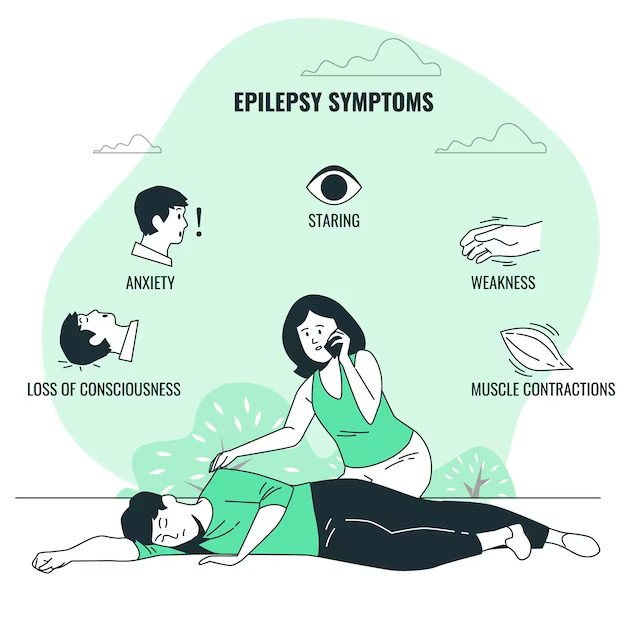
Epilepsy is a chronic neurological disorder that affects the brain’s electrical activity and causes recurring seizures. These seizures can vary from brief periods of altered awareness to involuntary movements, muscle stiffness, or loss of consciousness.
According to medical experts, epilepsy can affect people of all ages and may result from various underlying causes, including genetic factors, brain injury, infections, developmental disorders, or unknown reasons.
What Is Epilepsy?
The brain communicates through electrical signals sent between nerve cells (neurons). In epilepsy, abnormal electrical activity can disrupt normal brain function and trigger seizures.
Not every seizure means a person has epilepsy. A diagnosis is typically made when an individual experiences recurrent, unprovoked seizures.
Common Symptoms of Epilepsy
Symptoms vary depending on the type of seizure but may include:
- Temporary confusion
- Staring spells
- Loss of awareness
- Muscle stiffness
- Uncontrolled jerking movements of arms and legs
- Sudden falls
- Changes in emotions or behavior
- Loss of consciousness
- Memory difficulties after a seizure
Some people experience warning signs, known as an “aura,” before a seizure begins.
Causes of Epilepsy
Epilepsy can develop due to several factors, including:
Genetic Factors
Certain forms of epilepsy may run in families.
Head Injuries
Traumatic brain injuries can increase seizure risk.
Stroke and Vascular Disease
Stroke is one of the leading causes of epilepsy in older adults.
Brain Infections
Conditions such as meningitis or encephalitis can affect brain function.
Developmental Disorders
Some neurological and developmental conditions may be associated with epilepsy.
Unknown Causes
In many cases, no specific cause can be identified.
Medical Treatment for Epilepsy
Treatment is determined by a neurologist and may include:
- Anti-seizure medications
- Dietary therapy in selected cases
- Vagus nerve stimulation
- Surgical procedures for specific seizure disorders
- Lifestyle modifications
Many individuals with epilepsy can successfully manage seizures with appropriate medical care.
Supportive Lifestyle Tips for People With Epilepsy
While lifestyle changes do not cure epilepsy, they may help support overall health and reduce seizure triggers in some individuals.
Stay Hydrated
Dehydration can contribute to physical stress on the body. Drinking adequate fluids supports overall health.
Get Enough Sleep
Sleep deprivation is a common seizure trigger for some individuals with epilepsy.
Follow a Balanced Diet
A nutritious diet helps maintain overall well-being and supports normal body function.
Take Medications as Prescribed
Never stop anti-seizure medications without consulting your healthcare provider.
Manage Stress
Stress management techniques such as meditation, yoga, and relaxation exercises may help some individuals.
Avoid Known Triggers
Triggers vary from person to person and may include flashing lights, lack of sleep, alcohol, or missed medications.
Can Diet Help Manage Epilepsy?
Certain specialized diets, such as the ketogenic diet, may be recommended under medical supervision for selected patients, particularly children with difficult-to-control epilepsy.
However, foods, herbs, supplements, or home remedies should never replace prescribed epilepsy treatment.
When to Seek Emergency Medical Care
Call emergency services immediately if:
- A seizure lasts longer than 5 minutes.
- Multiple seizures occur without recovery between them.
- Breathing difficulties develop.
- A serious injury occurs during a seizure.
- The person does not regain consciousness.
Expert Note
Epilepsy is a medical condition that requires professional diagnosis and treatment. Although healthy lifestyle habits may support overall well-being, there is currently no scientific evidence that home remedies alone can cure epilepsy. Anyone experiencing seizures should consult a qualified neurologist.
Medical Disclaimer
This article is for educational purposes only and should not be considered medical advice. Diagnosis and treatment of epilepsy should always be managed by a qualified healthcare professional.
FAQs
1. What is epilepsy?
Epilepsy is a neurological disorder characterized by recurring seizures caused by abnormal electrical activity in the brain.
2. What are the most common symptoms of epilepsy?
Symptoms may include staring spells, muscle jerking, loss of consciousness, confusion, unusual sensations, and temporary behavioral changes.
3. Can epilepsy be cured naturally?
There is currently no proven natural cure for epilepsy. Medical evaluation and treatment by a neurologist are essential.
4. What triggers seizures in people with epilepsy?
Common triggers may include sleep deprivation, stress, alcohol consumption, illness, flashing lights, and missed medications.
5. Can diet help manage epilepsy?
Certain medically supervised diets, such as the ketogenic diet, may help some individuals manage seizures, but dietary changes should only be made under professional guidance.
6. Is epilepsy hereditary?
Some types of epilepsy have a genetic component, although not all cases are inherited.
7. Can children develop epilepsy?
Yes. Epilepsy can occur at any age, including infancy and childhood.
8. What should I do if someone has a seizure?
Keep the person safe, turn them onto their side if possible, avoid placing objects in their mouth, and seek emergency medical help if the seizure lasts more than five minutes.
9. Can people with epilepsy live normal lives?
Many people with epilepsy lead active and fulfilling lives with proper treatment and seizure management.
10. When should I see a doctor about seizures?
Any unexplained seizure should be evaluated by a healthcare professional as soon as possible.

Hi, I’m Amrita Pandey. I specialize in writing about health, pregnancy, yoga, natural remedies, beverages, fruits, and vegetables. I enjoy creating clear, well-researched content that helps readers make informed decisions and build healthier everyday habits.