Beetroot Benefits: Nutrition, Health Advantages, and Why You Should Add It to Your Diet
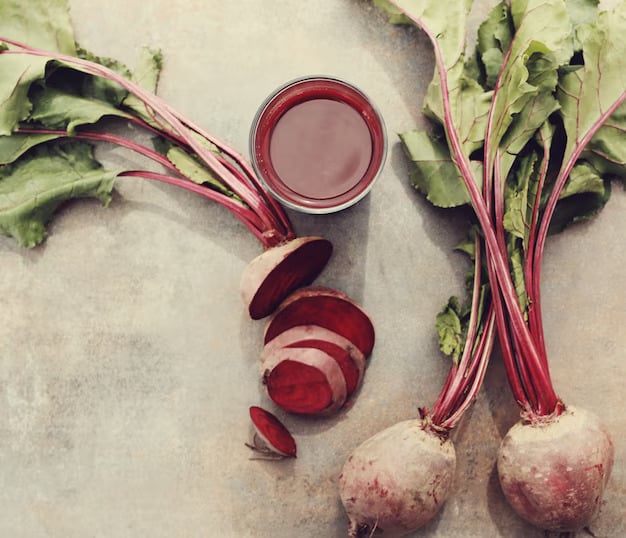
Beetroot is one of the most nutrient-dense root vegetables available today. Known for its deep red color, naturally sweet taste, and versatility in cooking, beetroot has gained popularity among health-conscious individuals, athletes, and nutrition experts alike.
Beyond its vibrant appearance, beetroot offers a wide range of potential health benefits. Rich in vitamins, minerals, antioxidants, and naturally occurring nitrates, this humble vegetable may support heart health, exercise performance, digestion, brain function, and overall well-being.
In this article, we’ll explore the science-backed benefits of beetroot, its nutritional value, possible side effects, and practical ways to include it in a healthy diet.
What Is Beetroot?
Beetroot, commonly known as beet, is the taproot portion of the beet plant (Beta vulgaris). It is consumed worldwide in various forms, including:
- Raw beetroot
- Cooked beetroot
- Beetroot juice
- Beetroot powder
- Pickled beetroot
- Beetroot smoothies and salads
Its distinctive color comes from compounds called betalains, powerful plant pigments that possess antioxidant and anti-inflammatory properties.
Nutritional Value of Beetroot
Beetroot is relatively low in calories while providing a variety of important nutrients.
Key nutrients found in beetroot include:
- Folate (Vitamin B9)
- Vitamin C
- Potassium
- Iron
- Manganese
- Magnesium
- Dietary fiber
- Natural nitrates
These nutrients contribute to numerous bodily functions, including energy production, immune support, blood circulation, and cell growth.
Health Benefits of Beetroot
1. Rich Source of Essential Nutrients
One of beetroot’s greatest strengths is its impressive nutritional profile.
Folate, one of its most abundant nutrients, plays a crucial role in:
- DNA synthesis
- Cell division
- Red blood cell formation
- Fetal development during pregnancy
Vitamin C supports immune function and collagen production, while potassium helps regulate fluid balance, muscle contractions, and blood pressure.
The combination of these nutrients makes beetroot an excellent addition to a balanced diet.
2. May Support Heart Health
Heart disease remains one of the leading health concerns worldwide. Fortunately, beetroot contains natural nitrates that may help support cardiovascular health.
When consumed, dietary nitrates are converted into nitric oxide, a molecule that helps:
- Relax blood vessels
- Improve blood circulation
- Enhance oxygen delivery
- Support healthy blood pressure levels
Several studies have shown that beetroot juice may contribute to temporary reductions in blood pressure, particularly in individuals with elevated levels.
While beetroot can be part of a heart-healthy lifestyle, it should not replace prescribed medications or medical treatment.
3. May Improve Exercise Performance and Endurance
Beetroot has become increasingly popular among athletes and fitness enthusiasts due to its potential performance-enhancing effects.
The nitrates in beetroot may improve the efficiency of mitochondria—the energy-producing structures within cells—allowing muscles to use oxygen more effectively during exercise.
Research suggests beetroot supplementation may help:
- Increase endurance
- Improve stamina
- Delay fatigue
- Enhance exercise efficiency
- Support recovery after physical activity
For this reason, beetroot juice is often used as a natural pre-workout drink.
4. Supports Healthy Digestion
Digestive health plays a vital role in overall wellness, and beetroot can contribute positively to gut function.
Beetroot contains dietary fiber, which helps:
- Promote regular bowel movements
- Prevent constipation
- Support beneficial gut bacteria
- Improve digestive comfort
A healthy digestive system supports nutrient absorption and may contribute to improved immune function.
Including fiber-rich foods like beetroot as part of a balanced diet can help maintain long-term digestive health.
5. Contains Powerful Antioxidants and Anti-Inflammatory Compounds
Beetroot is rich in betalains, natural plant compounds responsible for its vibrant color.
Betalains possess antioxidant properties that help protect cells from oxidative stress caused by free radicals.
Oxidative stress has been associated with:
- Premature aging
- Heart disease
- Diabetes
- Certain cancers
- Chronic inflammation
While no single food can prevent disease, regularly consuming antioxidant-rich foods may contribute to overall health and wellness.
6. May Support Brain Function
Healthy blood flow is essential for optimal brain performance.
Because nitric oxide helps improve circulation, researchers have investigated whether beetroot can enhance blood flow to areas of the brain associated with cognition and executive function.
Some studies suggest that dietary nitrates may support:
- Memory
- Focus
- Decision-making
- Mental clarity
- Cognitive performance in older adults
Although research remains ongoing, beetroot appears to be a promising food for supporting healthy brain function as part of an overall nutritious lifestyle.
7. May Help Support Healthy Blood Sugar Levels
Despite its naturally sweet taste, beetroot has a relatively low glycemic index compared to many processed carbohydrate-rich foods.
The fiber content in beetroot helps slow digestion and may contribute to more stable blood sugar responses.
Some early research also suggests that certain compounds in beetroot may positively influence insulin sensitivity, though more human studies are needed.
People with diabetes can often enjoy beetroot as part of a balanced meal plan, but portion sizes should be discussed with a healthcare provider or registered dietitian.
8. May Support Liver Function and Natural Detoxification
The liver is responsible for processing nutrients, filtering toxins, and supporting metabolism.
Beetroot contains compounds such as betalains and betaine that may help support normal liver function and the body’s natural detoxification pathways.
While the term “detox” is often overused in wellness marketing, the liver naturally performs detoxification functions every day. Nutrient-rich foods like beetroot may help support these normal biological processes.
9. May Support Healthy Weight Management
Beetroot can be a valuable addition to a weight-management plan because it is:
- Low in calories
- Rich in fiber
- Nutrient-dense
- Naturally filling
The fiber content may help increase feelings of fullness, reducing the likelihood of overeating.
When combined with a balanced diet and regular physical activity, beetroot can contribute to healthy weight management.
How to Add Beetroot to Your Diet
There are many delicious ways to enjoy beetroot.
Popular options include:
- Fresh beetroot salads
- Roasted beetroot
- Beetroot smoothies
- Beetroot juice
- Soups
- Grain bowls
- Pickled beetroot
- Beetroot hummus
Combining beetroot with leafy greens, healthy fats, and lean proteins creates a nutrient-rich meal that supports overall health.
Are There Any Side Effects of Beetroot?
Beetroot is generally safe for most people when consumed as part of a balanced diet.
However, some individuals may experience:
Beeturia
A harmless condition where urine or stools appear pink or red after consuming beetroot.
Digestive Discomfort
Large amounts of beetroot or beetroot juice may cause bloating or stomach upset in sensitive individuals.
Kidney Stone Considerations
Beetroot contains oxalates, which may contribute to kidney stone formation in susceptible individuals. Those with a history of kidney stones should consult a healthcare provider regarding appropriate intake.
Low Blood Pressure
Because beetroot may help lower blood pressure, individuals taking blood pressure medications should monitor their levels and seek medical advice if necessary.
Final Thoughts
Beetroot is much more than a colorful root vegetable. Its impressive nutritional profile, antioxidant content, and naturally occurring nitrates make it a valuable addition to a healthy diet.
From supporting heart health and exercise performance to promoting digestive wellness and cognitive function, beetroot offers a variety of potential health benefits backed by growing scientific research.
Whether enjoyed roasted, juiced, blended into smoothies, or added to salads, beetroot is an easy and delicious way to increase your intake of beneficial nutrients and support long-term health.
As with any dietary change, consult a qualified healthcare professional if you have existing medical conditions or concerns about adding beetroot to your nutrition plan.
Frequently Asked Questions (FAQs)
1. Is it healthy to eat beetroot every day?
Yes, beetroot can be consumed daily as part of a balanced diet. It provides essential nutrients, antioxidants, and fiber that support overall health.
2. What are the main health benefits of beetroot?
Beetroot may support heart health, exercise performance, digestion, brain function, blood pressure management, and antioxidant protection.
3. Does beetroot help lower blood pressure?
Research suggests that the natural nitrates in beetroot may help improve blood vessel function and support healthy blood pressure levels.
4. Is beetroot good for athletes?
Yes. Beetroot is widely used by athletes because dietary nitrates may improve oxygen utilization, endurance, and exercise performance.
5. Can beetroot improve digestion?
The fiber in beetroot promotes healthy digestion, supports gut bacteria, and helps prevent constipation.
6. Is beetroot good for weight loss?
Beetroot is low in calories and high in fiber, which may help increase fullness and support healthy weight management when combined with a balanced diet.
7. Can people with diabetes eat beetroot?
Many people with diabetes can enjoy beetroot in moderation. Its fiber content may help slow glucose absorption, but portion control remains important.
8. Why does beetroot turn urine red?
This harmless condition, known as beeturia, occurs when pigments from beetroot pass through the digestive system and are excreted in urine or stool.
9. Is beetroot juice better than whole beetroot?
Both provide health benefits. Whole beetroot contains more fiber, while beetroot juice delivers concentrated nitrates and nutrients.
10. Who should avoid excessive beetroot consumption?
Individuals with a history of kidney stones, low blood pressure, or specific medical conditions should consult a healthcare provider before consuming large amounts of beetroot or beetroot supplements.

Hi, I’m Amrita Pandey. I specialize in writing about health, pregnancy, yoga, natural remedies, beverages, fruits, and vegetables. I enjoy creating clear, well-researched content that helps readers make informed decisions and build healthier everyday habits.