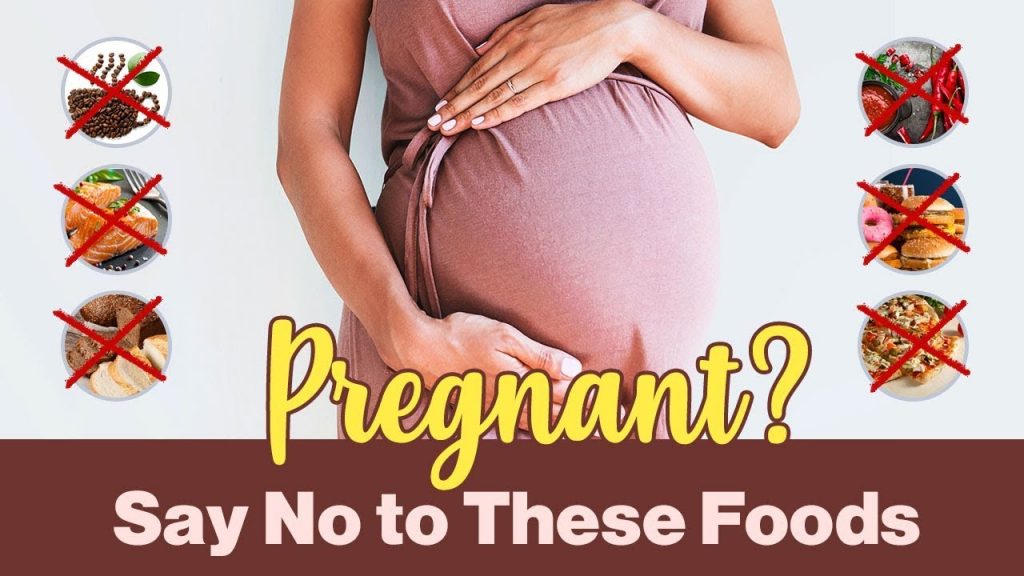
Why Food Safety Matters During Pregnancy
Pregnancy is a time when proper nutrition plays a vital role in supporting both maternal health and fetal development. While many foods provide essential nutrients that help your baby grow, certain foods can increase the risk of foodborne illness, developmental complications, or pregnancy-related health concerns.
During pregnancy, a woman’s immune system undergoes natural changes, making her more susceptible to infections caused by bacteria, viruses, and parasites. Some of these infections may not cause severe symptoms in the mother but can potentially affect the developing baby.
Understanding which foods to limit or avoid can help reduce risks and contribute to a healthier pregnancy.
Important: Always consult your healthcare provider, obstetrician, or registered dietitian for personalized dietary advice during pregnancy.
1. High-Mercury Seafood
Why It Should Be Limited
Fish and seafood are excellent sources of protein, omega-3 fatty acids, iodine, and other nutrients that support fetal brain development. However, some fish contain high levels of mercury, a toxic metal that can affect a baby’s developing nervous system and brain.
Excessive mercury exposure during pregnancy may increase the risk of developmental and neurological problems.
Seafood to Avoid
Pregnant women should generally avoid:
- Shark
- Swordfish
- King mackerel
- Marlin
- Tilefish
- Certain large tuna species
Seafood That Is Generally Considered Safer
Many healthcare organizations recommend low-mercury seafood options, including:
- Salmon
- Sardines
- Trout
- Anchovies
- Herring
- Pollock
Expert Tip
Salmon is typically considered a low-mercury fish and is often recommended during pregnancy because of its omega-3 content. Unlike some older recommendations, properly cooked salmon is generally considered safe for most pregnant women.
2. Raw or Undercooked Meat, Poultry, and Seafood
Why It Can Be Dangerous
Raw or undercooked animal products may contain harmful bacteria and parasites, including:
- Salmonella
- Listeria
- E. coli
- Toxoplasma gondii
These pathogens can cause food poisoning and may lead to serious pregnancy complications in some cases.
Foods to Avoid
- Rare or undercooked meat
- Raw poultry
- Sushi made with raw fish
- Raw shellfish
- Undercooked eggs
- Raw egg-based sauces and dressings
Safer Alternative
Ensure all meat, poultry, seafood, and eggs are cooked thoroughly to the recommended internal temperature.
3. Unpasteurized Dairy Products
Why They Pose a Risk
Unpasteurized milk and dairy products can harbor harmful bacteria, particularly Listeria monocytogenes.
Listeria infection during pregnancy can potentially lead to:
- Miscarriage
- Premature birth
- Stillbirth
- Serious newborn infections
Dairy Products to Avoid
- Raw milk
- Unpasteurized cheese
- Some soft cheeses made from unpasteurized milk
Examples may include:
- Brie
- Camembert
- Feta
- Blue cheese
Safer Choices
Pregnant women can generally consume these foods if they are clearly labeled as pasteurized:
- Cottage cheese
- Mozzarella
- Yogurt
- Pasteurized milk
- Hard cheeses such as cheddar and parmesan
Always check food labels carefully.
4. Unwashed Fruits and Vegetables
Why Washing Is Important
Fresh fruits and vegetables are essential sources of vitamins, minerals, fiber, and antioxidants. However, they can carry soil, pesticides, bacteria, and parasites if not properly washed.
One particular concern is toxoplasmosis, an infection caused by a parasite that may be found in contaminated soil.
Food Safety Tips
- Wash produce thoroughly under running water.
- Scrub firm vegetables when appropriate.
- Remove damaged portions.
- Wash hands before handling food.
- Separate raw produce from raw meat and seafood.
Don’t Avoid Produce
While fruits and vegetables should be washed carefully, they should remain an important part of a healthy pregnancy diet due to their nutritional value.
5. Alcohol During Pregnancy
Why It Should Be Avoided
Medical experts recommend avoiding alcohol completely during pregnancy.
Alcohol can cross the placenta and reach the developing baby, potentially affecting growth and development.
Alcohol consumption during pregnancy has been associated with:
- Fetal alcohol spectrum disorders (FASDs)
- Learning difficulties
- Behavioral challenges
- Developmental delays
Is Any Amount Safe?
Current medical guidance states that no amount of alcohol has been proven safe during pregnancy.
6. Excessive Caffeine Intake
Why Moderation Matters
Unlike alcohol, caffeine does not necessarily need to be completely eliminated during pregnancy. However, excessive caffeine consumption should be avoided.
High caffeine intake may increase the risk of certain pregnancy complications.
Sources of Caffeine
- Coffee
- Tea
- Energy drinks
- Soft drinks
- Chocolate
- Some medications
Recommended Intake
Many health organizations suggest limiting caffeine intake to approximately 200 mg per day during pregnancy.
This is roughly equivalent to:
- One 12-ounce cup of coffee, depending on strength
- Two smaller cups of brewed coffee
Always discuss your caffeine consumption with your healthcare provider.
Additional Foods to Be Cautious About During Pregnancy
Deli Meats and Processed Meats
Unless heated thoroughly, deli meats may carry Listeria bacteria.
Refrigerated Smoked Seafood
Avoid refrigerated smoked seafood unless it is cooked in a dish before eating.
Raw Sprouts
Raw sprouts such as:
- Alfalfa sprouts
- Clover sprouts
- Radish sprouts
can harbor harmful bacteria and should be cooked before consumption.
Tips for Safe Eating During Pregnancy
To minimize food-related risks:
- Wash hands frequently.
- Keep raw and cooked foods separate.
- Refrigerate leftovers promptly.
- Follow expiration dates.
- Cook food thoroughly.
- Drink plenty of water.
- Purchase food from reputable sources.
Frequently Asked Questions
What foods are completely unsafe during pregnancy?
Alcohol, unpasteurized dairy products, high-mercury fish, and raw or undercooked animal products are among the foods most commonly recommended for avoidance during pregnancy.
Can pregnant women eat salmon?
Yes. Properly cooked salmon is generally considered a safe and nutritious choice because it is low in mercury and rich in omega-3 fatty acids.
Is coffee allowed during pregnancy?
Most healthcare providers allow moderate caffeine consumption, typically up to 200 mg per day. Always follow your healthcare provider’s recommendations.
Why is unpasteurized cheese risky during pregnancy?
Unpasteurized cheese can contain Listeria bacteria, which may cause serious pregnancy complications.
Should fruits and vegetables be avoided during pregnancy?
No. Fruits and vegetables are highly nutritious and recommended during pregnancy. They should simply be washed thoroughly before consumption.
Can eating undercooked food harm the baby?
Undercooked food may contain bacteria or parasites that can cause infections, some of which may affect pregnancy outcomes.
Is herbal tea safe during pregnancy?
Some herbal teas are considered safe, while others may not be recommended. Consult your healthcare provider before consuming herbal supplements or specialty teas.
What are the best foods to eat during pregnancy?
A balanced pregnancy diet often includes:
- Fruits and vegetables
- Whole grains
- Lean proteins
- Dairy or fortified alternatives
- Healthy fats
- Low-mercury fish
Conclusion
Maintaining a healthy pregnancy involves more than simply eating nutritious foods—it also requires making informed choices about food safety. Avoiding high-mercury seafood, raw or undercooked foods, unpasteurized dairy products, alcohol, and other potentially harmful items can help reduce risks for both mother and baby.
At the same time, focusing on a balanced diet rich in fruits, vegetables, whole grains, lean proteins, and healthy fats provides the nutrients needed to support healthy fetal development and maternal well-being.
When in doubt about a particular food or beverage, consult your healthcare provider to ensure the safest choices throughout your pregnancy journey.

Hi, I’m Amrita Pandey. I specialize in writing about health, pregnancy, yoga, natural remedies, beverages, fruits, and vegetables. I enjoy creating clear, well-researched content that helps readers make informed decisions and build healthier everyday habits.