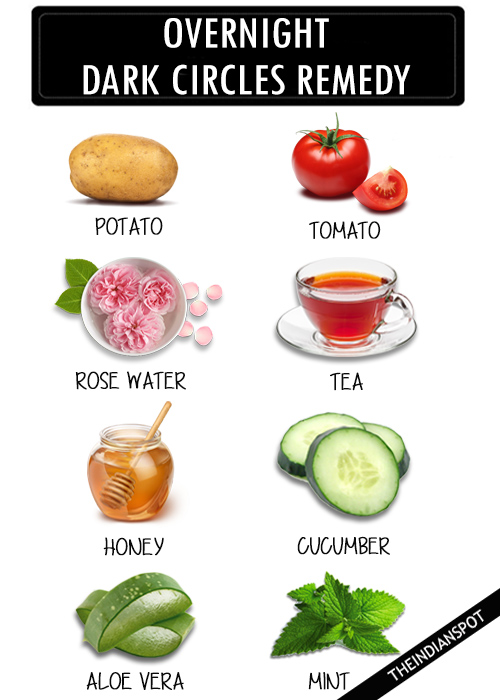
Dark circles under the eyes are a common cosmetic concern that can affect people of all ages. While they are usually harmless, they can make a person appear tired, stressed, or older than they actually are.
Dark circles may result from several factors, including lack of sleep, genetics, aging, dehydration, allergies, sun exposure, and lifestyle habits. Understanding the underlying cause can help determine the most effective treatment approach.
What Causes Dark Circles Under the Eyes?
Several factors can contribute to dark circles:
Lack of Sleep
Insufficient sleep can make the skin appear pale, making blood vessels beneath the eyes more noticeable.
Genetics
Some people naturally have thinner skin or increased pigmentation around the eyes, making dark circles more prominent.
Aging
As we age, the skin loses collagen and becomes thinner, which can make blood vessels under the eyes more visible.
Dehydration
Not drinking enough water may cause the skin to appear dull and sunken.
Allergies
Allergic reactions can cause inflammation and rubbing of the eyes, contributing to discoloration.
Sun Exposure
Excessive sun exposure can increase melanin production, leading to pigmentation around the eyes.
Stress and Fatigue
Chronic stress and exhaustion may worsen the appearance of dark circles and puffiness.
Natural Ways to Reduce the Appearance of Dark Circles
1. Get Enough Sleep
Most adults benefit from 7–9 hours of quality sleep each night. Consistent sleep patterns can help improve overall skin appearance.
2. Stay Hydrated
Drinking enough water supports healthy skin and may help reduce a tired appearance around the eyes.
3. Use Cold Compresses
Applying a cool compress for a few minutes may help reduce puffiness and temporarily improve the appearance of dark circles.
4. Apply Chilled Cucumber Slices
Cucumber slices may provide a cooling effect and help soothe tired eyes.
5. Protect Your Skin From the Sun
Wear sunglasses and apply sunscreen daily to help prevent pigmentation caused by UV exposure.
6. Use Moisturizers Around the Eyes
Hydrated skin often appears smoother and healthier. Choose products designed for the delicate eye area.
7. Consider Almond Oil Carefully
Some people use almond oil as part of their skincare routine, although scientific evidence for treating dark circles is limited. Perform a patch test before applying any product near the eyes.
Habits That May Help Prevent Dark Circles
- Maintain a regular sleep schedule.
- Stay hydrated throughout the day.
- Eat a balanced diet rich in fruits and vegetables.
- Limit smoking and excessive alcohol consumption.
- Manage stress effectively.
- Avoid rubbing your eyes frequently.
- Treat allergies if present.
Medical Treatments for Persistent Dark Circles
If dark circles are severe or persistent, a dermatologist may recommend:
- Topical creams
- Chemical peels
- Laser treatments
- Microneedling
- Fillers (for under-eye hollowness)
Treatment options depend on the underlying cause.
When Should You See a Doctor?
Consult a healthcare professional if:
- Dark circles appear suddenly.
- Only one eye is affected.
- The discoloration worsens rapidly.
- You experience swelling, pain, or vision changes.
These symptoms may indicate an underlying medical condition.
Expert Note
Dark circles are often caused by a combination of genetics, lifestyle factors, and skin changes associated with aging. While home remedies may help improve their appearance, results vary from person to person. Persistent concerns should be evaluated by a dermatologist.
Medical Disclaimer
This article is for informational purposes only and should not be considered medical advice. Consult a qualified healthcare professional for diagnosis and treatment recommendations specific to your needs.
FAQs
1. What causes dark circles under the eyes?
Dark circles may be caused by lack of sleep, genetics, aging, allergies, dehydration, sun exposure, or lifestyle factors.
2. Can dark circles disappear naturally?
Some dark circles may improve with adequate sleep, hydration, stress management, and proper skincare, depending on the underlying cause.
3. Does drinking water help reduce dark circles?
Proper hydration supports overall skin health and may improve the appearance of tired-looking eyes.
4. Are dark circles hereditary?
Yes. Genetics can play a major role in the development of dark circles for many individuals.
5. Can lack of sleep cause dark circles?
Yes. Poor sleep can make blood vessels beneath the eyes more visible, making dark circles appear darker.
6. Do cucumber slices help with dark circles?
Cucumber slices may provide temporary cooling and soothing effects that help reduce puffiness.
7. Is lemon juice safe for dark circles?
Applying lemon juice around the eyes is generally not recommended because it may cause irritation and sensitivity.
8. Which vitamin deficiency causes dark circles?
Deficiencies in iron, vitamin B12, vitamin K, or other nutrients may contribute to dark circles in some individuals.
9. Can sunscreen help prevent dark circles?
Yes. Daily sun protection may help prevent pigmentation and worsening of existing dark circles.
10. What is the best treatment for stubborn dark circles?
The best treatment depends on the cause and may include topical creams, laser therapy, fillers, or dermatologist-recommended procedures.

Hi, I’m Amrita Pandey. I specialize in writing about health, pregnancy, yoga, natural remedies, beverages, fruits, and vegetables. I enjoy creating clear, well-researched content that helps readers make informed decisions and build healthier everyday habits.