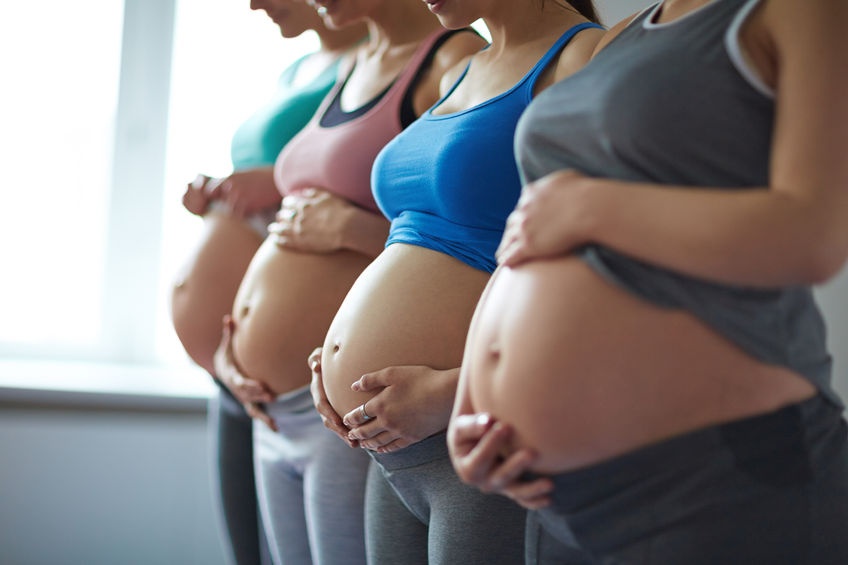
Pregnancy brings significant physical and emotional changes, and many expectant mothers wonder whether exercising during pregnancy is safe. The good news is that for most healthy pregnancies, regular physical activity is not only safe but highly beneficial.
Exercise can help support a healthier pregnancy, improve mood, boost energy levels, and prepare the body for labor and recovery after birth. However, it’s important to understand which activities are appropriate, what precautions to take, and when exercise should be avoided.
This guide explores the benefits and challenges of exercising during pregnancy, along with practical safety tips for expectant mothers.
Is It Safe to Exercise During Pregnancy?
For most women with uncomplicated pregnancies, moderate exercise is considered safe and beneficial.
Organizations such as the American College of Obstetricians and Gynecologists (ACOG) generally recommend regular physical activity during pregnancy unless a healthcare provider advises otherwise.
Suitable activities may include:
- Walking
- Swimming
- Prenatal yoga
- Stationary cycling
- Low-impact aerobics
- Pregnancy-safe strength training
However, every pregnancy is different, so it’s important to receive personalized medical advice before beginning or continuing an exercise routine.
Benefits of Exercising During Pregnancy
1. May Reduce the Risk of Gestational Diabetes
Gestational diabetes is a type of diabetes that develops during pregnancy and affects how the body processes glucose.
Regular physical activity may help:
- Improve insulin sensitivity
- Support healthy blood sugar levels
- Reduce excessive pregnancy weight gain
- Lower the risk of gestational diabetes
Managing blood sugar effectively can contribute to a healthier pregnancy for both mother and baby.
2. May Help Lower the Risk of Pregnancy-Related Complications
Research suggests that regular moderate exercise may help reduce the likelihood of certain pregnancy complications.
These may include:
- Excessive weight gain
- Pregnancy-related high blood pressure
- Certain forms of pregnancy discomfort
Some studies have also found a potential link between regular physical activity and a lower risk of developing preeclampsia, although more research is ongoing.
3. Supports Mental Health and Emotional Well-Being
Pregnancy can bring emotional ups and downs due to hormonal changes, lifestyle adjustments, and concerns about childbirth and parenting.
Exercise is known to stimulate the release of endorphins, often referred to as “feel-good” hormones.
Benefits may include:
- Reduced stress
- Improved mood
- Better emotional resilience
- Reduced symptoms of anxiety
- Improved self-confidence
Many women report feeling more positive and energized when they remain physically active during pregnancy.
4. Helps Manage Healthy Pregnancy Weight Gain
Weight gain is a normal and necessary part of pregnancy. However, excessive weight gain may increase the risk of complications.
Regular exercise can help:
- Support healthy weight gain
- Improve metabolism
- Maintain muscle strength
- Reduce excess body fat accumulation
Exercise also helps many women return to their pre-pregnancy fitness levels more comfortably after delivery.
5. Improves Stamina for Labor and Delivery
Childbirth can be physically demanding.
Maintaining fitness during pregnancy may help:
- Improve endurance
- Strengthen muscles used during labor
- Enhance breathing efficiency
- Improve overall physical preparedness
Many women find that staying active helps them feel more confident approaching labor.
6. Reduces Common Pregnancy Discomforts
Exercise may help alleviate several common pregnancy-related symptoms, including:
- Back pain
- Constipation
- Swelling
- Fatigue
- Muscle stiffness
- Poor posture
Gentle movement can improve circulation and help the body adapt to pregnancy-related changes.
7. May Improve Sleep Quality
Many pregnant women struggle with sleep disturbances.
Regular physical activity may help:
- Promote deeper sleep
- Reduce stress levels
- Improve relaxation
- Reduce restlessness
However, strenuous exercise should generally be avoided close to bedtime.
Challenges and Considerations of Exercising During Pregnancy
While exercise offers many benefits, there are also important considerations.
1. Increased Risk of Urinary Incontinence
Urinary leakage is common during pregnancy because the growing uterus places additional pressure on the pelvic floor muscles.
Certain activities may temporarily worsen symptoms, including:
- Running
- Jumping
- High-impact exercise
Pelvic floor exercises (Kegel exercises) may help strengthen these muscles and improve bladder control.
2. Fatigue and Reduced Energy Levels
Pregnancy naturally increases the body’s energy demands.
Some women may experience:
- Fatigue
- Shortness of breath
- Reduced stamina
It’s important to listen to your body and adjust exercise intensity as needed.
3. Joint and Ligament Changes
During pregnancy, the hormone relaxin helps loosen ligaments in preparation for childbirth.
While this is beneficial, it may increase the risk of:
- Joint instability
- Sprains
- Muscle strains
Proper form and avoiding excessive stretching are essential.
4. Risk of Overheating
Pregnant women are more susceptible to overheating.
To reduce risk:
- Stay hydrated
- Exercise in a cool environment
- Wear breathable clothing
- Avoid exercising in extreme heat
Overheating should be avoided, particularly during the first trimester.
5. Contractions During Exercise
Some women may notice mild uterine tightening, often called Braxton Hicks contractions, during or after exercise.
These are usually harmless.
However, stop exercising and contact your healthcare provider if contractions:
- Become regular
- Increase in intensity
- Are accompanied by pain or bleeding
Exercises Generally Considered Safe During Pregnancy
Walking
Walking is one of the safest and most accessible forms of exercise during pregnancy.
Benefits include:
- Improved circulation
- Better cardiovascular fitness
- Low impact on joints
Swimming
Swimming supports the body while reducing pressure on joints and muscles.
Many women find swimming particularly comfortable during the later stages of pregnancy.
Prenatal Yoga
Prenatal yoga can help:
- Improve flexibility
- Enhance relaxation
- Reduce stress
- Prepare for labor breathing techniques
Stationary Cycling
A stationary bike provides cardiovascular benefits while minimizing the risk of falls.
Strength Training
Light-to-moderate resistance training can help maintain muscle strength and support posture.
Always use proper technique and avoid lifting excessively heavy weights.
Exercises to Avoid During Pregnancy
Consult your healthcare provider, but activities often discouraged during pregnancy include:
- Contact sports
- Scuba diving
- Horse riding
- Skiing
- Activities with a high risk of falls
- Extreme endurance events
As pregnancy progresses, exercises requiring prolonged periods flat on the back may also need modification.
Warning Signs: Stop Exercising and Seek Medical Advice
Stop exercising immediately and contact your healthcare provider if you experience:
- Vaginal bleeding
- Chest pain
- Dizziness
- Severe headache
- Shortness of breath before exercise
- Calf pain or swelling
- Decreased fetal movement
- Fluid leakage
- Painful contractions
These symptoms require prompt medical evaluation.
Frequently Asked Questions (FAQ)
Is exercise safe during pregnancy?
For most healthy pregnancies, moderate exercise is safe and beneficial. Always consult your healthcare provider before starting a new exercise program.
How much exercise should a pregnant woman get?
Many health organizations recommend approximately 150 minutes of moderate-intensity physical activity per week, unless advised otherwise by a healthcare provider.
Can exercise help prevent gestational diabetes?
Research suggests that regular physical activity may help reduce the risk of gestational diabetes and support healthy blood sugar management.
Is walking enough exercise during pregnancy?
Yes. Walking is one of the safest and most effective forms of exercise for many pregnant women.
Can I continue my pre-pregnancy workout routine?
In many cases, yes. However, modifications may be necessary as pregnancy progresses. Consult your healthcare provider for personalized guidance.
Is strength training safe during pregnancy?
Light-to-moderate strength training is generally safe for many women when performed with proper technique and medical approval.
Can exercise cause miscarriage?
For healthy pregnancies, moderate exercise has not been shown to increase miscarriage risk.
What is the best exercise during pregnancy?
Walking, swimming, prenatal yoga, and low-impact aerobic activities are among the most commonly recommended options.
When should I stop exercising during pregnancy?
Exercise should stop immediately if warning signs such as bleeding, severe pain, dizziness, or contractions occur.
Can exercise make labor easier?
Maintaining fitness during pregnancy may improve endurance, strength, and overall physical preparedness for labor and delivery.
Conclusion
Exercise can be one of the most beneficial lifestyle habits during pregnancy. Regular physical activity may help reduce the risk of certain complications, support healthy weight gain, improve mental well-being, enhance sleep quality, and prepare the body for labor and postpartum recovery.
While exercise is generally safe for most pregnant women, every pregnancy is unique. The key is choosing appropriate activities, listening to your body, staying hydrated, and following guidance from your healthcare provider.
With the right approach, exercise can be a valuable tool for supporting both maternal health and the healthy development of your baby throughout pregnancy.

Hi, I’m Amrita Pandey. I specialize in writing about health, pregnancy, yoga, natural remedies, beverages, fruits, and vegetables. I enjoy creating clear, well-researched content that helps readers make informed decisions and build healthier everyday habits.