Milk has been a dietary staple for centuries and continues to be one of the most widely consumed beverages worldwide. From childhood through adulthood, milk provides a rich source of essential nutrients that support overall health and well-being.
While some people reduce their milk consumption as they age due to dietary preferences or concerns about fat content, milk remains a valuable source of protein, calcium, vitamins, and minerals. When consumed as part of a balanced diet, it can contribute to stronger bones, improved muscle recovery, and better overall nutrition.
Nutritional Value of Milk
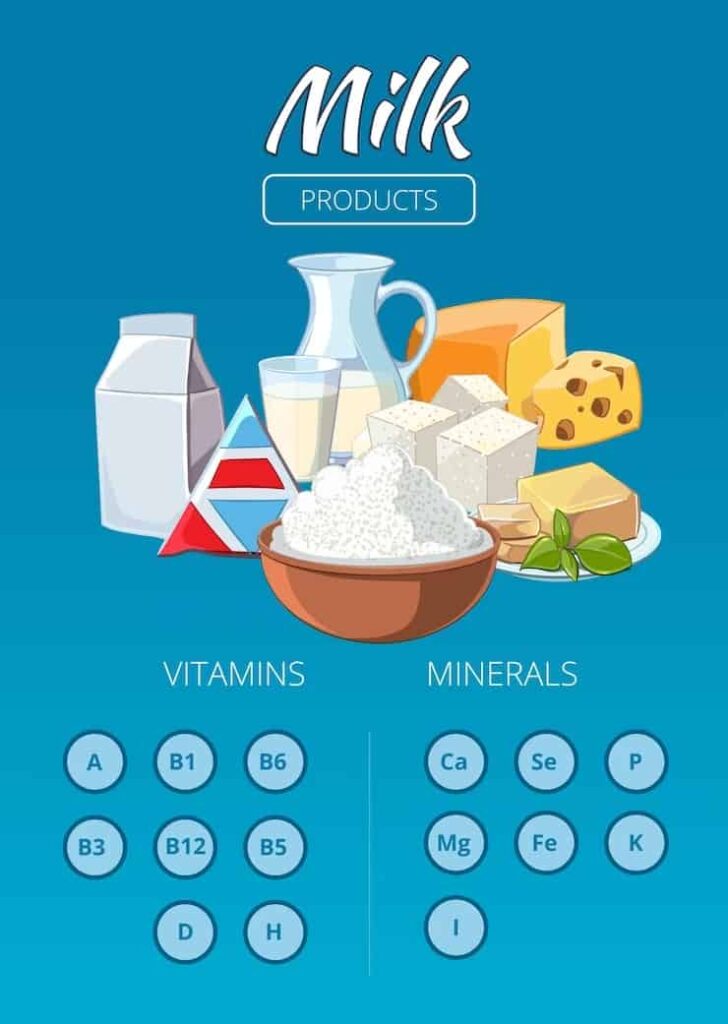
Milk is packed with nutrients that are important for maintaining good health. A typical serving contains:
- High-quality protein
- Calcium
- Vitamin D (in fortified milk)
- Vitamin B12
- Potassium
- Phosphorus
- Riboflavin (Vitamin B2)
- Magnesium
These nutrients work together to support bone health, muscle function, nerve transmission, and energy production.
Top Health Benefits of Milk
1. Supports Strong Bones and Teeth
One of the most well-known benefits of milk is its calcium content. Calcium is essential for building and maintaining strong bones and teeth throughout life.
Milk also contains phosphorus and is often fortified with vitamin D, which helps the body absorb calcium more effectively. Regular consumption of milk may help maintain bone density and reduce the risk of osteoporosis as people age.
2. Helps Build and Repair Muscles
Milk is an excellent source of complete protein, containing all nine essential amino acids required by the body.
After physical activity, protein helps repair muscle tissue and supports recovery. Many athletes and fitness enthusiasts include milk as part of their post-workout nutrition because it provides both protein and carbohydrates that aid muscle recovery.
3. Promotes Healthy Skin
Milk contains nutrients such as vitamin A, protein, and antioxidants that contribute to healthy skin.
The lactic acid naturally present in milk is often used in skincare products because it helps gently exfoliate the skin. Drinking milk as part of a balanced diet can support overall skin health by providing hydration and essential nutrients.
However, some individuals may notice skin irritation or acne flare-ups related to dairy consumption. If this occurs, consulting a healthcare professional may be beneficial.
4. Supports Weight Management
Research suggests that protein-rich foods can increase feelings of fullness and reduce hunger between meals.
Low-fat and skim milk provide protein and essential nutrients while containing fewer calories than whole milk. When combined with a healthy diet and regular exercise, milk may help support weight management goals.
5. Contributes to Heart Health
Milk contains potassium, a mineral that helps maintain healthy blood pressure levels by balancing sodium in the body.
Choosing low-fat or fat-free milk can provide important nutrients while limiting saturated fat intake. As part of an overall healthy lifestyle, milk can contribute to cardiovascular wellness.
6. Helps Maintain Hydration
Milk is made up of approximately 87% water, making it a hydrating beverage.
It also contains electrolytes such as potassium, calcium, and sodium, which help maintain fluid balance. This makes milk a useful option for replenishing fluids after exercise or physical activity.
7. Supports Healthy Nerve Function
Milk contains several B vitamins, including vitamin B12 and riboflavin, which play important roles in energy production and nervous system health.
These nutrients help the body convert food into energy while supporting proper brain and nerve function.
8. May Help Reduce Stress and Improve Sleep
Many people enjoy a warm glass of milk before bedtime. Milk contains tryptophan, an amino acid involved in the production of serotonin and melatonin, compounds associated with relaxation and sleep regulation.
Although milk is not a cure for sleep problems, it may be a comforting part of a healthy bedtime routine.
Different Types of Milk
Today’s consumers can choose from several types of milk based on their nutritional needs and preferences:
Whole Milk
Contains the natural fat content of milk and provides a rich, creamy texture.
Reduced-Fat Milk (2%)
Contains less fat than whole milk while retaining most nutrients.
Low-Fat Milk (1%)
Offers fewer calories and less saturated fat.
Fat-Free or Skim Milk
Provides protein, calcium, and vitamins with minimal fat.
Organic Milk
Produced according to organic farming standards and may appeal to consumers seeking specific production practices.
Lactose-Free Milk
Designed for people who have difficulty digesting lactose while maintaining similar nutritional benefits.
Are There Any Drawbacks to Drinking Milk?
Milk is nutritious for many people, but it may not be suitable for everyone.
Some individuals may experience:
- Lactose intolerance
- Milk allergies
- Digestive discomfort
- Sensitivity to dairy products
Those who cannot consume dairy can obtain similar nutrients from fortified plant-based alternatives and other calcium-rich foods.
How Much Milk Should You Drink?
The ideal amount of milk depends on age, activity level, and overall dietary habits.
For most adults, one to three servings of dairy products per day can help meet calcium and protein needs. However, dietary requirements vary, so it’s important to choose an approach that aligns with your personal health goals and nutritional needs.
Final Thoughts
Milk remains one of the most nutrient-rich beverages available. It provides high-quality protein, calcium, vitamins, and minerals that support bone health, muscle recovery, hydration, and overall wellness.
Whether you choose whole milk, low-fat milk, or lactose-free options, including milk as part of a balanced diet can help you meet your daily nutritional requirements. As with any food, moderation and individual dietary needs should guide your choices.
Frequently Asked Questions (FAQs)
Is drinking milk every day healthy?
Yes, for most people, drinking milk daily can provide essential nutrients such as calcium, protein, vitamin B12, and potassium that support overall health.
What are the main nutrients found in milk?
Milk contains protein, calcium, vitamin D (fortified varieties), phosphorus, potassium, vitamin B12, and riboflavin.
Is milk good for weight loss?
Low-fat and skim milk can be included in a weight-loss diet because they provide protein and nutrients while being relatively low in calories.
Does milk strengthen bones?
Yes. Milk contains calcium, phosphorus, and vitamin D, which work together to support strong bones and teeth.
Is milk a good source of protein?
Absolutely. Milk contains high-quality complete protein that helps build and repair muscles.
Can lactose-intolerant people drink milk?
Many people with lactose intolerance can consume lactose-free milk, which offers similar nutritional benefits without causing digestive discomfort.
Which type of milk is healthiest?
The healthiest option depends on individual needs. Low-fat and fat-free milk provide essential nutrients with less saturated fat, while whole milk may be suitable for those with higher energy requirements.
Can milk help with muscle recovery after exercise?
Yes. Milk provides protein, carbohydrates, and electrolytes that can support post-workout recovery and muscle repair.

Hi, I’m Amrita Pandey. I specialize in writing about health, pregnancy, yoga, natural remedies, beverages, fruits, and vegetables. I enjoy creating clear, well-researched content that helps readers make informed decisions and build healthier everyday habits.